Quick Answer
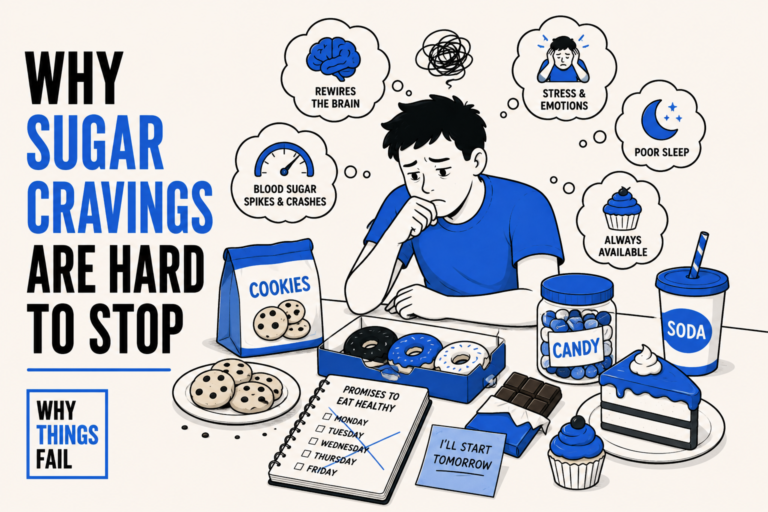
Sugar cravings are difficult to stop because they are driven by a combination of brain chemistry, learned habits, emotional behaviour, hormones and the modern food environment. Most people do not lack willpower. They are responding to biological and psychological systems that encourage repeated sugar consumption.
Introduction
Few eating habits feel as frustrating as sugar cravings.
Many people promise themselves they will eat less sugar, only to find themselves reaching for chocolate, biscuits or sugary drinks later that same day. The pattern repeats so often that it is commonly blamed on poor self control or a lack of discipline.
The reality is far more complex.
Sugar cravings are not simply a matter of choice. They emerge from an interaction between the brain, hormones, emotions, habits and an environment where highly processed foods are constantly available.
This explains why intelligent and health conscious people often struggle to reduce sugar even when they understand its long term health risks.
The more important question is not why people eat sugar.
It is why stopping feels so difficult.
Understanding the answer requires looking beyond nutrition labels and calorie counts. It requires investigating how modern food systems influence the human brain and why cravings become deeply embedded behavioural patterns.
What Are Sugar Cravings?
Sugar cravings are intense desires to consume sweet foods or drinks, even when the body does not require additional energy.
Unlike normal hunger, cravings are usually specific.
A hungry person may be satisfied with many different foods.
Someone experiencing a sugar craving often wants a particular food such as cake, sweets, ice cream or soft drinks.
This difference is important.
Hunger helps maintain survival by encouraging energy intake.
Cravings are influenced by biological signals, emotional states, learned behaviours and environmental cues that activate the brain’s reward system.
Occasional cravings are normal.
Problems develop when cravings become frequent enough to influence daily eating habits, making it difficult to maintain a balanced diet.
The Biggest Myth
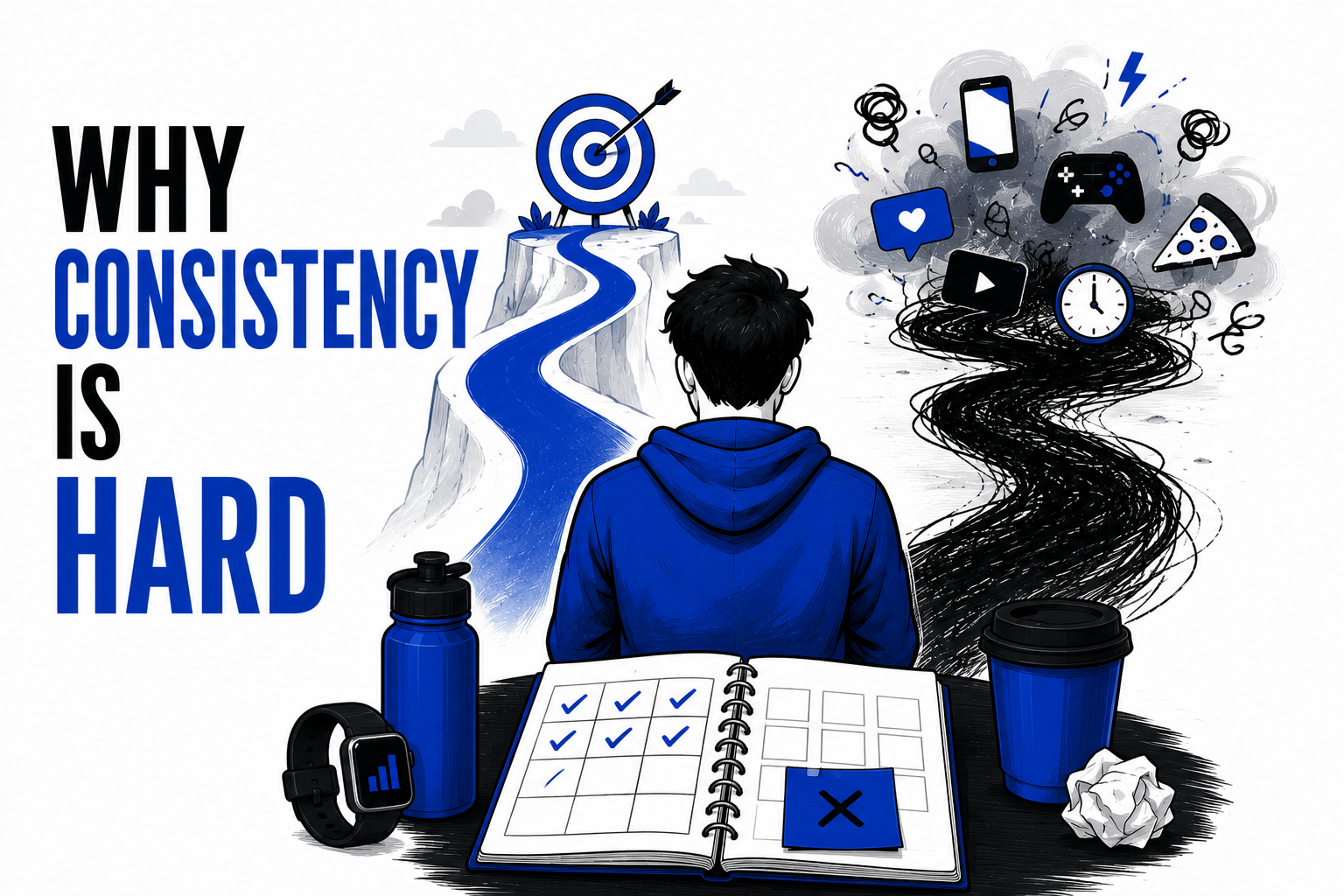
The most common belief is that people crave sugar because they have weak willpower.
This explanation sounds simple, but it ignores decades of research into behavioural psychology, neuroscience and nutrition.
Willpower certainly influences behaviour, but it is only one small part of a much larger system.
Modern food products are carefully designed to maximise taste, texture and satisfaction. Many combine sugar with fat, salt and flavourings that stimulate the brain far more intensely than naturally occurring foods.
At the same time, stress, poor sleep, emotional habits and constant exposure to food advertising increase the likelihood of craving sugary foods.
The result is predictable.
People blame themselves for lacking discipline when they are actually responding to biological and psychological mechanisms that operate largely outside conscious awareness.
The question is therefore not whether someone has enough willpower.
The better question is why the environment makes resisting sugar so difficult.
What Usually Happens?
The pattern usually begins with a simple reward.
Someone enjoys a sweet snack during a break at work.
Another person eats dessert after dinner every evening.
Others reach for sugary foods during stressful situations because they temporarily improve mood.
Over time, the brain begins linking certain emotions, places and daily routines with sugar.
Stress triggers a craving.
Watching television triggers a craving.
Walking past a bakery triggers a craving.
Eventually, eating sugar becomes less about hunger and more about responding automatically to familiar cues.
This behavioural cycle strengthens each time it is repeated, making cravings feel increasingly difficult to resist.
Why Are Sugar Cravings So Hard To Stop?
This is where the deeper investigation begins.
Sugar cravings do not exist because one biological system has failed.
They develop because several biological and behavioural systems work together.
The brain seeks reward.
Hormones regulate appetite.
Emotions influence food choices.
Habits reduce conscious decision making.
The modern food environment constantly reinforces all of these processes.
Understanding cravings therefore requires examining the interaction between biology, psychology and behaviour rather than blaming one single cause.
The Brain Rewards Sugar Faster Than Most Foods
One of the strongest drivers of sugar cravings is the brain’s reward system.
When sugar is consumed, the brain releases dopamine, a neurotransmitter associated with reward, pleasure and learning.
Dopamine does not simply make people enjoy sweet foods.
It teaches the brain to remember them.
Each enjoyable experience strengthens the connection between sugar and pleasure.
Eventually, the brain begins anticipating the reward before the food is even eaten.
The sight of a favourite dessert.
The smell of fresh pastries.
Even the packaging of a familiar chocolate bar.
These cues activate expectations inside the brain, increasing the desire to eat before hunger is even present.
This explains why cravings often appear suddenly after seeing or smelling sugary foods.
The brain has learned to expect a reward.
Habits Become Automatic
Many people believe they consciously choose sugary foods every time.
Behavioural psychology suggests otherwise.
Repeated behaviours gradually become habits.
Habits reduce the amount of conscious thinking required for everyday decisions.
This helps people perform routine tasks efficiently.
Unfortunately, unhealthy eating habits develop in exactly the same way.
A biscuit with morning coffee.
A sugary drink during lunch.
Chocolate after dinner.
Repeated often enough, these actions become automatic responses rather than carefully considered decisions.
Eventually, the cue alone becomes enough to trigger the behaviour.
The person may not even realise why they suddenly want something sweet.
Emotional Eating Changes The Purpose Of Food
Food serves more than nutritional needs.
It also provides emotional comfort.
Many people unconsciously associate sugary foods with celebrations, childhood memories, relaxation or stress relief.
This changes the purpose of eating.
Instead of satisfying physical hunger, sugar begins regulating emotional states.
After a difficult day, sweet foods may temporarily reduce feelings of stress or anxiety.
Following positive experiences, desserts become a way of celebrating success.
Although these emotional rewards are temporary, the brain remembers them.
Over time, emotional discomfort itself becomes a trigger for sugar cravings.
The craving is no longer about taste.
It is about changing how a person feels.
Sleep Deprivation Increases Cravings
Poor sleep affects far more than energy levels.
It also changes appetite regulation.
Research shows that inadequate sleep alters hormones involved in hunger and fullness while increasing activity in areas of the brain associated with reward seeking behaviour.
As a result, people who are sleep deprived often experience stronger cravings for foods high in sugar and refined carbohydrates.
The body is searching for quick energy while the brain becomes more responsive to immediate rewards.
This combination reduces self regulation and increases impulsive food choices.
The craving feels stronger not because the person has suddenly become less disciplined, but because biological signals influencing decision making have changed.
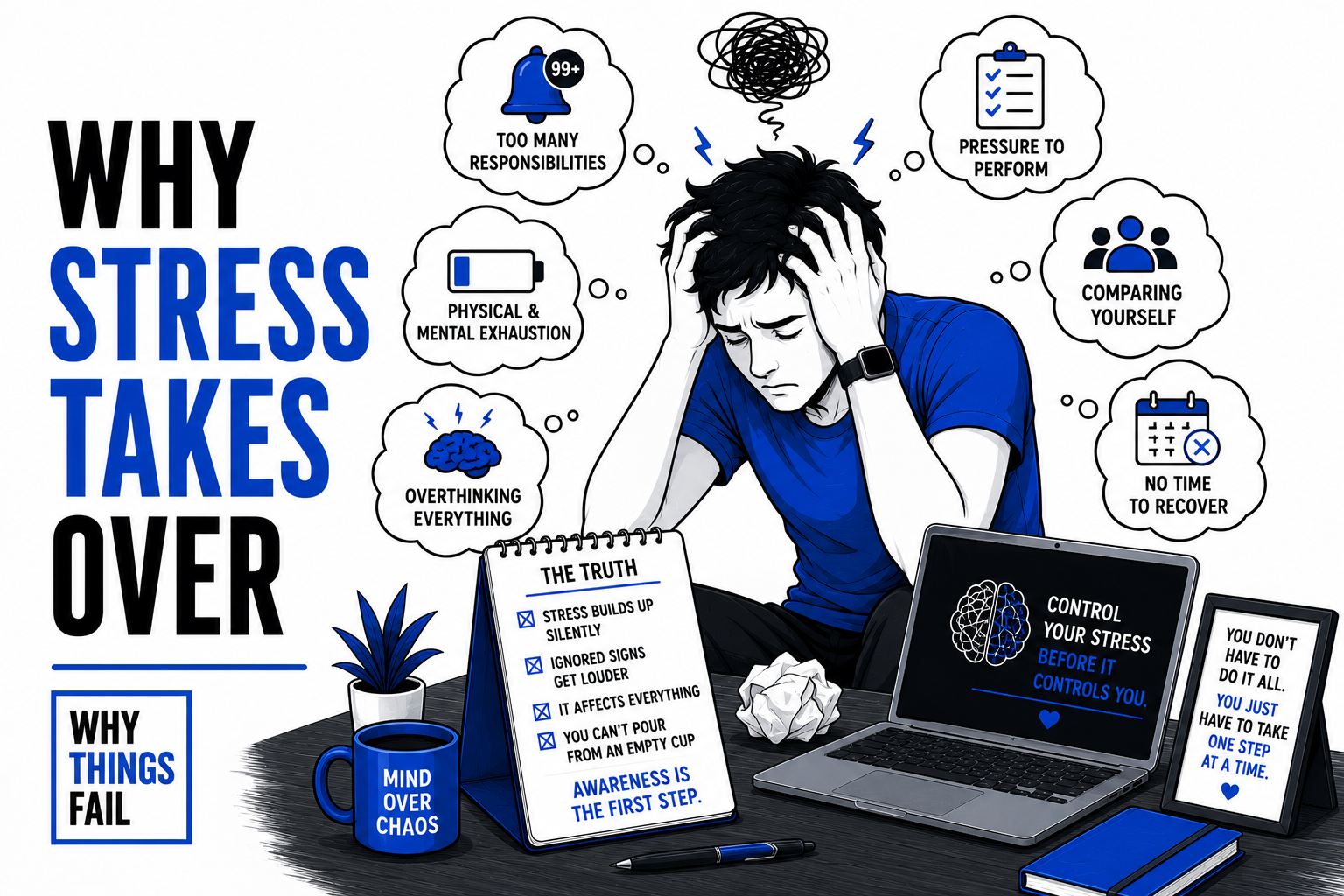
Stress Makes Sugar Feel Like A Solution
Stress activates hormonal responses designed to help people cope with challenging situations.
In modern life, however, these responses often interact with food rather than physical activity.
When stress becomes chronic, many individuals seek immediate comfort.
Sugar provides rapid sensory satisfaction and temporary emotional relief.
Although the effect is short lived, repeated stress reinforces the association between emotional discomfort and sugary foods.
Eventually, stress itself becomes a conditioned cue.
The body no longer waits for hunger.
It expects sugar whenever emotional pressure increases.
This explains why reducing sugar consumption often feels far more difficult during demanding periods of life than during calmer ones.
Poor Nutrition Creates A Self Reinforcing Cycle
Sugar cravings rarely develop in isolation. They are often strengthened by an overall pattern of eating that leaves the body searching for quick energy.
Meals that lack protein, dietary fibre and healthy fats are digested more quickly. This can lead to fluctuations in blood glucose levels, causing energy to rise and fall throughout the day. When energy drops, the brain naturally seeks foods that provide rapid fuel.
Highly processed foods satisfy this demand almost instantly.
The problem is that these foods are usually digested quickly, creating another cycle of rising and falling blood sugar that encourages additional cravings later.
This cycle gradually becomes self reinforcing.
The person eats sugar to regain energy.
Energy falls again.
Another craving appears.
The issue is no longer one unhealthy snack. It is an eating pattern that continuously encourages the next craving.
The Food Environment Is Designed To Encourage Consumption
Human biology evolved in environments where sweet foods were relatively scarce.
Modern society presents the opposite challenge.
Sugar is available almost everywhere.
Supermarkets place confectionery near checkouts.
Coffee shops display desserts beside the counter.
Television advertising, social media and food delivery apps expose people to attractive images throughout the day.
Behavioural economists describe these influences as environmental cues.
People often believe they make independent food choices, yet their decisions are constantly shaped by convenience, visibility and repeated exposure.
The more frequently the brain encounters these cues, the more opportunities it has to activate previously learned reward pathways.
In many cases, the craving begins before conscious decision making has even started.
Marketing Influences Expectations
Food companies invest heavily in understanding consumer behaviour.
Packaging, colours, textures and advertising campaigns are carefully designed to create positive emotional associations with sweet foods.
Many products are linked with happiness, celebration, comfort or family traditions.
Over time, these messages become deeply familiar.
People may begin expecting emotional satisfaction from certain foods long before tasting them.
The product is no longer simply food.
It becomes part of an emotional experience.
This makes reducing sugar consumption psychologically more difficult because the person feels they are giving up more than sweetness.
They feel they are giving up comfort, reward or familiarity.
Warning Signs
Sugar cravings rarely become overwhelming overnight.
Early warning signs often appear long before people recognise them as a problem.
One common sign is thinking about sugary foods several times each day, even after eating balanced meals.
Another is relying on sweets or sugary drinks to improve mood, reduce stress or increase energy during the afternoon.
Some people begin organising daily routines around opportunities to eat sugary foods without realising it.
Others feel irritated or disappointed when favourite sweet foods are unavailable.
Another warning sign is believing that every craving must be satisfied immediately.
Over time, this weakens the ability to distinguish between genuine hunger and emotional desire.
These behaviours are often ignored because they appear normal.
Modern food culture encourages frequent snacking, desserts and sugary drinks, making excessive sugar consumption seem routine rather than unusual.
What Could Have Prevented It?
Sugar cravings cannot always be eliminated because enjoying sweet foods is a normal part of human biology.
The objective is not perfection.
It is reducing the conditions that repeatedly strengthen cravings.
Regular meals containing protein, fibre and minimally processed foods help maintain more stable energy levels throughout the day.
Good sleep supports healthier appetite regulation while reducing the brain’s sensitivity to immediate rewards.
Managing stress through exercise, mindfulness, social connection or relaxation techniques reduces the tendency to use sugar as emotional relief.
Perhaps most importantly, changing the environment often changes behaviour.
Keeping fewer highly processed snacks at home, planning meals in advance and reducing exposure to constant food cues makes healthier decisions easier because they require less willpower.
Successful change therefore depends less on fighting cravings and more on reducing the situations that repeatedly create them.
Lessons
Sugar cravings reveal an important lesson about human behaviour.
People rarely make decisions in complete isolation.
Their choices are shaped by biology, habits, emotions and the environments in which they live.
Another lesson is that repeated small behaviours become powerful over time.
A single dessert rarely creates a lasting habit, but repeating the same behaviour every evening gradually trains the brain to expect it.
The investigation also shows that knowledge alone does not change behaviour.
Most people already understand that eating excessive sugar is not ideal.
The challenge lies in changing deeply learned behavioural patterns rather than simply acquiring more information.
Perhaps the most valuable lesson is that sustainable habits emerge from improving systems instead of relying entirely on willpower.
Failure Pattern
The dominant pattern behind persistent sugar cravings is Emotional Decision Making combined with Habit Formation and Immediate Reward Seeking.
The brain naturally values immediate pleasure over distant health benefits.
This tendency appears throughout human behaviour.
People delay saving money because spending feels rewarding today.
They postpone exercise because resting feels easier now.
They repeatedly consume sugary foods because immediate satisfaction outweighs future consequences.
The same psychological pattern influences financial decisions, business strategy and personal health.
Short term rewards consistently compete with long term wellbeing.
Without supportive systems, immediate gratification often wins.
Hidden Lesson
The greatest obstacle to reducing sugar is not sugar itself.
It is misunderstanding how human behaviour works.
Most people believe cravings represent personal weakness.
In reality, cravings often reflect the interaction between biology, habits and an environment designed to encourage repeated consumption.
The deeper truth is that lasting change becomes possible only when people stop blaming themselves and begin understanding the systems shaping their decisions.
Failure Scorecard
| Area | Score | Explanation |
| Self Discipline | 5/10 | Willpower alone rarely overcomes deeply established habits. |
| Decision Making | 6/10 | Food choices are frequently influenced by emotions and environmental cues. |
| Risk Awareness | 5/10 | Many people underestimate the long term impact of repeated sugar consumption. |
| Long Term Thinking | 4/10 | Immediate pleasure often outweighs future health considerations. |
| Nutritional Knowledge | 6/10 | Basic awareness exists, but behavioural application remains inconsistent. |
| Emotional Control | 5/10 | Stress and negative emotions commonly trigger cravings. |
| Planning | 4/10 | Poor meal planning increases dependence on convenient sugary foods. |
| Adaptability | 7/10 | Behaviour can improve when routines and environments are intentionally changed. |
Key Takeaways
- Sugar cravings are influenced by biology as much as behaviour.
- Dopamine strengthens the brain’s memory of rewarding foods.
- Habits often drive cravings more than hunger.
- Stress and poor sleep increase the desire for sugary foods.
- Highly processed foods encourage repeated consumption through rapid reward.
- The modern food environment constantly reinforces cravings.
- Small daily habits gradually become automatic behavioural patterns.
- Changing routines and surroundings is often more effective than relying only on willpower.
Frequently Asked Questions
Why are sugar cravings so difficult to stop?
Sugar cravings are difficult to stop because they involve brain reward pathways, learned habits, hormones, emotional behaviour and environmental triggers working together.
Are sugar cravings caused by lack of willpower?
No. Willpower plays a role, but cravings are largely influenced by biological and psychological processes that operate automatically.
Does stress increase sugar cravings?
Yes. Stress can increase the desire for sugary foods because the brain associates sweetness with temporary comfort and reward.
Can poor sleep make sugar cravings worse?
Yes. Sleep deprivation alters hormones that regulate appetite and increases the brain’s sensitivity to rewarding foods, making cravings stronger.
Is it normal to crave sugar every day?
Occasional cravings are normal, but frequent daily cravings may indicate that habits, diet quality, stress or sleep patterns are reinforcing the behaviour.
Conclusion
Sugar cravings are not simply the result of poor discipline. They are the predictable outcome of biological instincts interacting with learned habits and a food environment designed to maximise reward. The more these systems reinforce one another, the more automatic craving becomes.
Understanding this changes the conversation completely. The challenge is no longer asking why people lack willpower. It is recognising how biology, psychology and modern food systems combine to make repeated sugar consumption feel natural, even when people genuinely want to stop.