Quick Answer
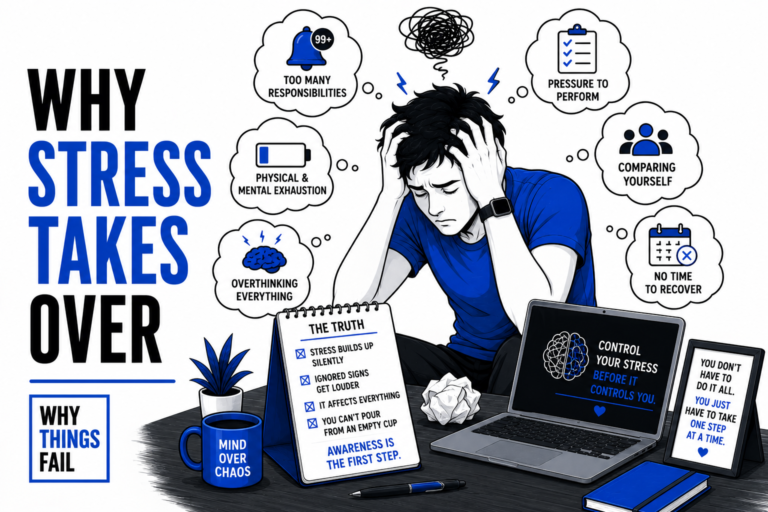
Stress takes over when the brain repeatedly perceives situations as threats without enough time to recover. Over time, the body’s stress response becomes the default setting, affecting decision making, emotional control, physical health and overall wellbeing. The problem is rarely a single stressful event. It is the accumulation of repeated psychological, behavioural and environmental pressures.
Introduction
Stress has become one of the defining experiences of modern life.
People often associate stress with demanding jobs, financial pressure or personal responsibilities. Yet these visible challenges explain only part of the story. Many individuals continue feeling overwhelmed even after solving the problem they believed was causing their stress.
This raises an important question.
Why does stress continue long after the immediate danger has passed?
The answer lies in the interaction between human psychology, biology and behaviour. Stress is not simply an emotional reaction. It is a survival system designed to protect us from danger. The problem begins when that system struggles to recognise the difference between genuine threats and everyday uncertainty.
Modern life constantly exposes people to uncertainty. Financial concerns, career expectations, family responsibilities, social comparison and endless digital information create an environment where the brain rarely receives a signal that it is safe to relax.
Understanding why stress takes over requires looking beyond symptoms such as anxiety, fatigue or irritability. It requires investigating why the brain repeatedly activates a survival response even when no immediate physical danger exists.
Only by understanding these deeper mechanisms can we explain why chronic stress has become so common across individuals, families, workplaces and societies.
What Is Stress?
Stress is the body’s natural response to perceived challenges or threats.
When the brain detects danger, it activates the nervous system and releases hormones such as cortisol and adrenaline. These chemicals increase alertness, raise heart rate and prepare the body to respond quickly.
In short periods, this response is highly effective.
It helps people react during emergencies, solve immediate problems and remain focused under pressure.
Stress becomes harmful when this emergency response remains active for extended periods.
Instead of returning to a balanced state, the brain continues interpreting ordinary situations as potential threats. Over time, this constant activation affects concentration, memory, sleep, emotional regulation and physical health.
Stress therefore is not the enemy.
The inability to switch off the stress response is what creates long term problems.
The Biggest Myth
The most common misconception is that stress is created entirely by external events.
People often believe they are stressed because of their job, finances, relationships or workload.
These factors certainly contribute, but they do not fully explain why two people facing identical circumstances can experience completely different levels of stress.
The difference lies in perception.
Behavioural psychology shows that people do not respond directly to events.
They respond to how their brain interprets those events.
One person may view uncertainty as an opportunity.
Another may interpret the same uncertainty as a serious threat.
The brain then activates completely different emotional and physiological responses.
This explains why reducing external pressures does not always eliminate stress.
Without changing the underlying patterns of interpretation and behaviour, the stress response often continues.
What Usually Happens?
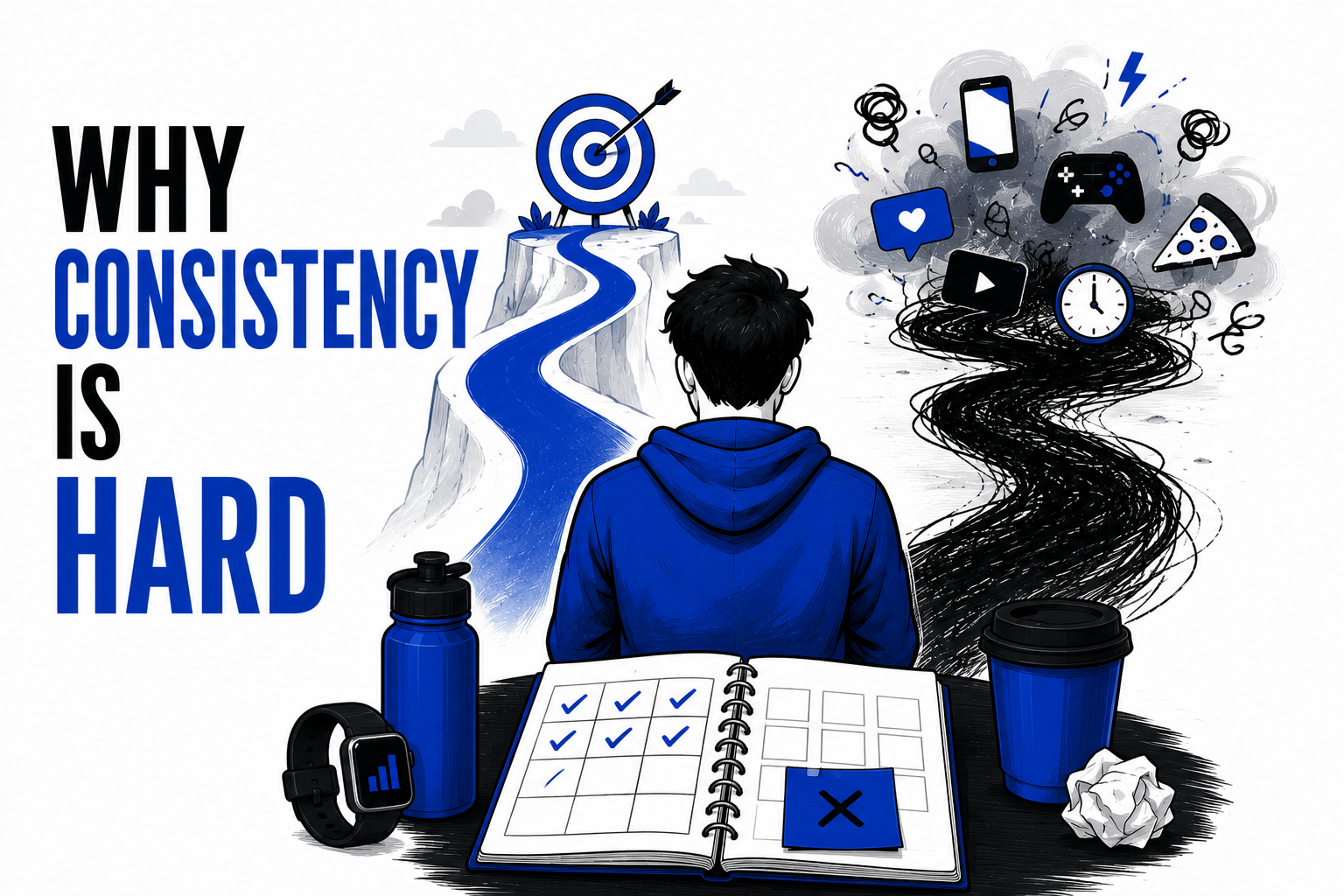
Stress rarely becomes overwhelming overnight.
The process is gradual.
A demanding project increases pressure.
Sleep becomes shorter.
Recovery becomes less frequent.
Small worries begin occupying more mental space.
Productivity declines.
Mistakes increase.
Confidence falls.
The brain interprets declining performance as another threat.
Stress increases further.
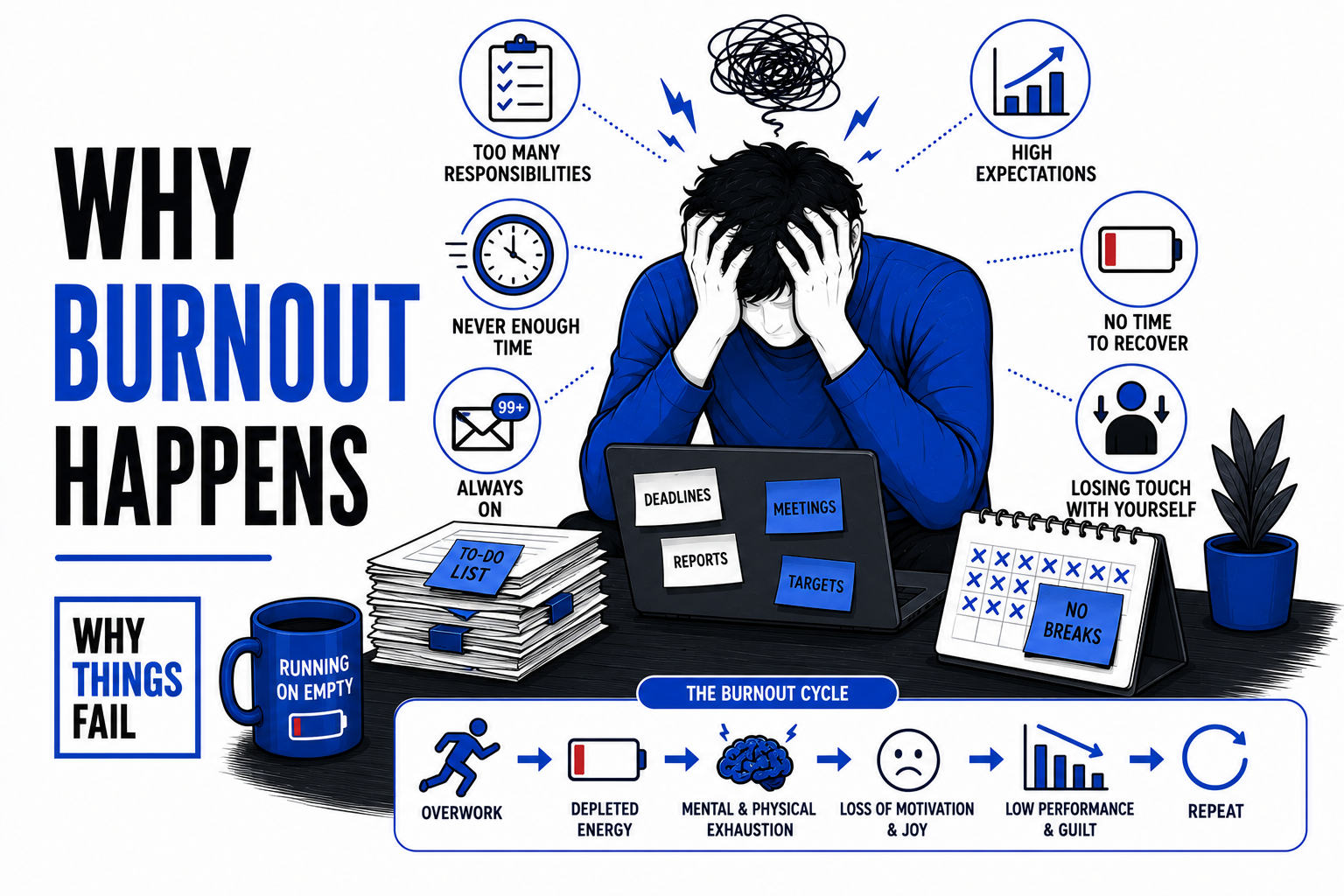
Eventually, the individual becomes trapped in a self reinforcing cycle where reduced recovery creates poorer decisions, poorer decisions create greater pressure and greater pressure strengthens the stress response.
Although the circumstances differ between individuals, the underlying pattern remains remarkably consistent.
Stress becomes chronic because the recovery system gradually stops keeping pace with the demands placed upon it.
Why Does Stress Take Over?
Understanding chronic stress requires examining human behaviour rather than isolated stressful events.
The brain evolved to protect people from immediate physical dangers.
Modern stressors are very different.
Financial uncertainty.
Career competition.
Social expectations.
Digital overload.
Constant availability through technology.
These threats rarely end at a specific moment.
Instead, they remain psychologically present throughout the day.
The brain struggles to distinguish between immediate danger and ongoing uncertainty.
As a result, the stress response remains activated far longer than it was biologically designed to.
The Brain Prioritises Survival Over Comfort
From an evolutionary perspective, the brain is designed to notice potential threats more quickly than positive experiences.
This tendency helped early humans survive dangerous environments.
Missing a genuine threat could be fatal.
Missing a pleasant experience carried far fewer consequences.
This survival bias continues influencing modern behaviour.
Negative emails receive more attention than positive feedback.
Financial losses create stronger emotional reactions than financial gains.
One criticism often outweighs ten compliments.
The brain naturally focuses on what could go wrong because survival has always depended on recognising danger before safety.
While this response once protected human life, it now causes many people to remain mentally prepared for threats that never actually materialise.
Uncertainty Creates More Stress Than Difficulty
Many people assume difficult situations create the greatest stress.
Research in behavioural psychology suggests uncertainty is often far more stressful than certainty.
Waiting for medical results.
Wondering whether a business will succeed.
Waiting for an important interview outcome.
Not knowing whether investments will recover.
In each case, uncertainty forces the brain to keep analysing possible outcomes.
Unlike a completed problem, an unresolved problem remains mentally active.
The brain repeatedly returns to it in search of certainty.
Unfortunately, certainty often never arrives.
This continuous mental processing consumes attention, increases emotional exhaustion and prolongs physiological stress responses.
The Illusion Of Control
Humans have a strong desire to control future outcomes.
Stress often increases when reality refuses to cooperate.
People attempt to predict markets.
Control relationships.
Prevent uncertainty.
Avoid failure.
Manage every possible risk.
The more someone believes complete control is possible, the more stressful unexpected events become.
Psychologists describe this as the illusion of control.
People overestimate their influence over complex systems while underestimating the role of uncertainty.
When outcomes differ from expectations, frustration replaces acceptance.
Stress increases because the brain interprets uncertainty as personal failure rather than a normal feature of life.
Emotional Decision Making Strengthens The Stress Cycle
Stress does not only affect emotions.
It also changes decision making.
When cortisol remains elevated, the brain increasingly favours immediate solutions over thoughtful analysis.
People become more impulsive.
Patience declines.
Small inconveniences feel overwhelming.
Risk perception changes.
Decision quality deteriorates.
Poor decisions often create additional problems.
Additional problems create additional stress.
This forms a powerful feedback loop where stress becomes both the cause and the consequence of declining judgement.
The longer this cycle continues, the more difficult it becomes to recognise where the original problem began.
Social Comparison Creates Invisible Pressure
Modern society exposes people to constant comparison.
Social media presents carefully selected moments of success.
Professional achievements appear effortless.
Financial success appears universal.
Personal happiness seems constant.
The brain rarely compares these highlights with reality.
Instead, it compares another person’s best moments with everyday life.
This creates unrealistic expectations about career progress, wealth, relationships and personal achievement.
Behavioural economists recognise that people evaluate success relatively rather than absolutely.
Feeling left behind often creates stress even when objective circumstances remain stable.
The pressure therefore comes not only from personal goals but also from perceived social expectations.
Chronic Stress Changes Behaviour Before It Changes Health
One of the most important reasons stress becomes overwhelming is that behavioural changes appear long before serious health problems.
People become impatient.
Sleep quality declines.
Exercise becomes less frequent.
Healthy routines disappear.
Relationships receive less attention.
Concentration weakens.
These behavioural changes seem minor individually.
Together, they gradually remove the very habits that normally protect psychological resilience.
Stress therefore becomes self reinforcing.
The coping mechanisms disappear just as the need for them becomes greatest
Warning Signs
Chronic stress rarely appears suddenly. It develops through small behavioural changes that are easy to dismiss because they often resemble ordinary tiredness or temporary pressure.
One of the earliest warning signs is persistent mental fatigue. Even simple decisions begin to feel exhausting because the brain is constantly processing potential threats. Concentration becomes difficult, memory weakens and productivity gradually declines.
Another warning sign is emotional reactivity. Minor inconveniences trigger disproportionate frustration, anxiety or anger. The individual is no longer responding only to the current situation. They are reacting to weeks or months of accumulated psychological pressure.
Sleep disturbances are another important indicator. Many people assume sleep problems are caused by stress. In reality, poor sleep also intensifies the stress response by reducing the brain’s ability to regulate emotions and recover from daily demands.
Avoidance behaviour also becomes more common. Difficult conversations are delayed. Financial decisions are postponed. Important responsibilities are ignored because facing them feels emotionally overwhelming. Unfortunately, avoidance provides temporary relief while increasing future pressure.
Social withdrawal is another overlooked warning sign. People experiencing chronic stress often reduce contact with friends and family because they believe they have no time or emotional energy. In doing so, they remove one of the strongest protective factors against prolonged psychological strain.
These warning signs are frequently ignored because they develop gradually. Individuals adapt to each small increase in stress until constant pressure begins to feel normal.
What Could Have Prevented It?
Preventing chronic stress does not require eliminating every challenge from life. That would be impossible. Instead, it requires strengthening the systems that help people recover before pressure becomes overwhelming.
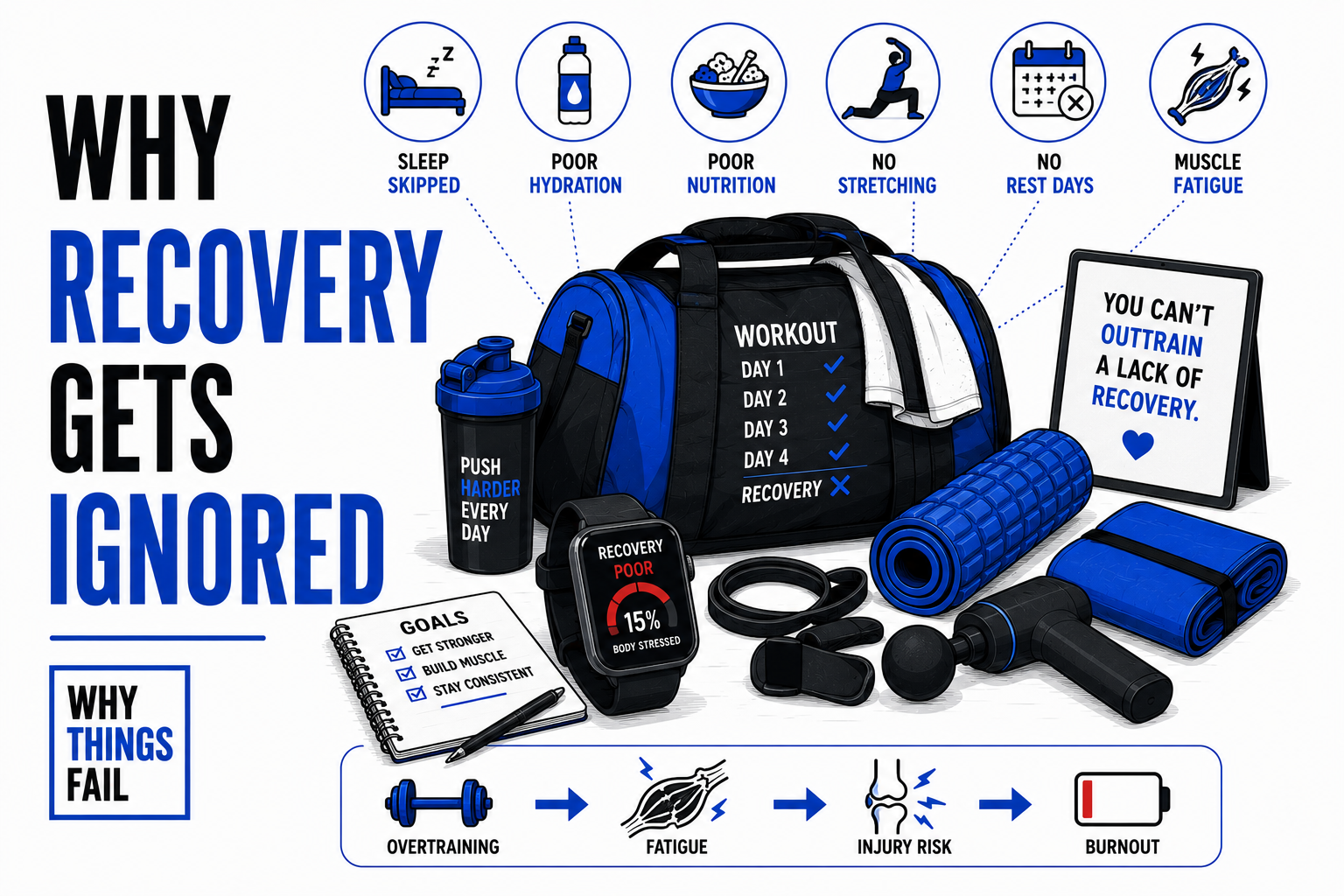
Recovery should be viewed as a biological necessity rather than a reward for completing work. Regular sleep, physical activity, meaningful relationships and periods of mental rest allow the nervous system to return to a balanced state after demanding experiences.
Clear priorities also reduce unnecessary psychological pressure. Many people experience stress because every responsibility feels equally urgent. Distinguishing between what is important and what is merely immediate helps reduce cognitive overload.
Managing uncertainty is equally important. Not every question can be answered today. Not every outcome can be controlled. Accepting this reality allows attention to shift towards actions that genuinely influence future results instead of endless mental rehearsal of unlikely scenarios.
Healthy boundaries provide another important safeguard. Constant availability through emails, messaging applications and social media prevents the brain from recognising when work has ended. Deliberately separating periods of effort from periods of recovery improves both performance and emotional resilience.
Finally, recognising early behavioural changes is often more valuable than waiting for serious symptoms to appear. Stress becomes easier to manage when addressed during its early stages rather than after it has become deeply established.
Lessons
Stress reveals an important truth about human behaviour.
People often believe resilience means enduring increasing levels of pressure. In reality, resilience depends on balancing effort with recovery. Systems that never pause eventually become unstable regardless of how efficient they appear.
Another lesson is that perception influences experience as much as circumstance. Two individuals may encounter identical challenges yet respond very differently because their brains interpret uncertainty in different ways.
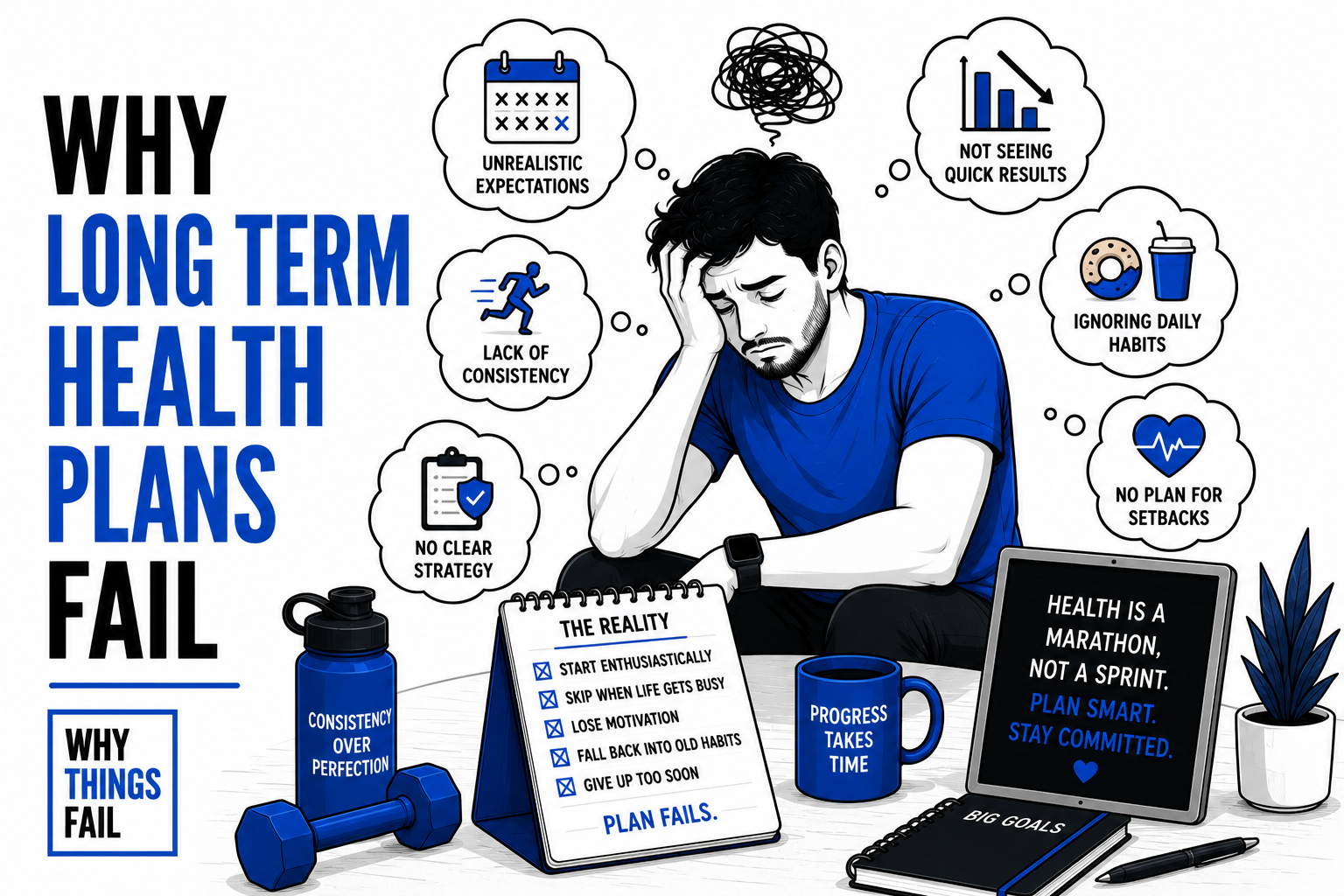
Stress also demonstrates that small daily behaviours shape long term wellbeing more than occasional major events. Consistent sleep, healthy routines, supportive relationships and realistic expectations provide protection that cannot be replaced by occasional periods of rest.
Perhaps the most significant lesson is that human performance depends on sustainability rather than constant intensity. Short periods of pressure can improve focus. Continuous pressure eventually weakens judgement, creativity and emotional control.
Failure Pattern
The dominant pattern behind chronic stress is Short Term Thinking combined with Emotional Decision Making.
People respond to immediate demands by sacrificing recovery. They work longer hours, reduce sleep, postpone exercise and ignore emotional wellbeing because these choices appear productive in the short term.
Over time these temporary decisions become permanent habits.
As recovery declines, emotional control weakens. Poor decisions create additional problems. Additional problems increase psychological pressure. The cycle repeats until chronic stress becomes the individual’s normal state.
The same pattern appears in business, investing and personal finance. Short term optimisation often creates long term instability because immediate performance is prioritised over sustainable performance.
Hidden Lesson
Stress is not simply the result of having too much to do.
More often, it is the consequence of asking the human brain to remain in survival mode for far longer than it was designed to.
The deeper lesson is that chronic stress rarely begins with one overwhelming event. It begins with small compromises repeated consistently. Less sleep. More worry. Fewer breaks. Greater uncertainty. These decisions appear insignificant individually but collectively reshape the way the brain interprets the world.
By the time stress feels uncontrollable, the psychological patterns responsible for it have often been developing quietly for months or even years.
Failure Scorecard
| Area | Score | Explanation |
| Emotional Control | 3/10 | Emotional reactions become stronger as chronic stress reduces self regulation. |
| Decision Making | 4/10 | Cognitive overload leads to impulsive and less effective decisions. |
| Risk Management | 5/10 | Stress increases perceived threats while reducing objective judgement. |
| Long Term Thinking | 4/10 | Immediate pressures often replace strategic thinking and future planning. |
| Self Awareness | 5/10 | Many people fail to recognise behavioural changes until stress becomes severe. |
| Recovery Habits | 3/10 | Sleep, exercise and recovery are frequently sacrificed during demanding periods. |
| Planning | 5/10 | Poor prioritisation contributes to unnecessary psychological pressure. |
| Adaptability | 6/10 | Individuals who accept uncertainty generally adapt more effectively than those seeking complete control. |
Key Takeaways
- Stress becomes harmful when the body’s recovery system cannot keep pace with ongoing demands.
- Uncertainty often creates greater psychological pressure than difficulty itself.
- The brain naturally gives more attention to threats than positive experiences.
- Emotional decision making becomes more common as stress increases.
- Small behavioural changes often appear long before serious physical symptoms.
- Recovery is an essential biological process rather than a sign of weakness.
- Accepting uncertainty reduces unnecessary mental effort spent chasing impossible certainty.
- Sustainable performance depends on balancing effort with recovery instead of maximising effort alone.
Frequently Asked Questions
Why does stress become chronic?
Stress becomes chronic when the brain repeatedly activates its survival response without enough time to recover. Continuous psychological pressure keeps cortisol levels elevated and prevents the nervous system from returning to balance.
Why do some people experience more stress than others?
People respond differently because stress depends not only on external events but also on perception, previous experiences, emotional regulation and coping behaviours.
Can stress affect decision making?
Yes. Chronic stress reduces concentration, weakens judgement and encourages impulsive decisions because the brain prioritises immediate survival over careful analysis.
What is the biggest cause of chronic stress?
For many people, ongoing uncertainty combined with insufficient recovery is a more significant cause than any single stressful event.
What are the first signs that stress is taking over?
Persistent fatigue, poor sleep, irritability, difficulty concentrating, emotional reactivity and withdrawing from normal routines are among the earliest warning signs.
Conclusion
Stress does not take over because human beings are weak. It takes over because a survival system designed for short periods of danger struggles to function in a world filled with continuous uncertainty. Modern life rarely allows the brain to recognise that the immediate threat has passed.
Understanding this changes the conversation. Chronic stress is no longer viewed as a personal failure but as the predictable outcome of repeated behavioural patterns, prolonged uncertainty and insufficient recovery. The deeper insight is that lasting resilience depends not on resisting every challenge but on creating systems that allow the mind and body to recover before survival becomes a permanent way of living.