Quick Answer
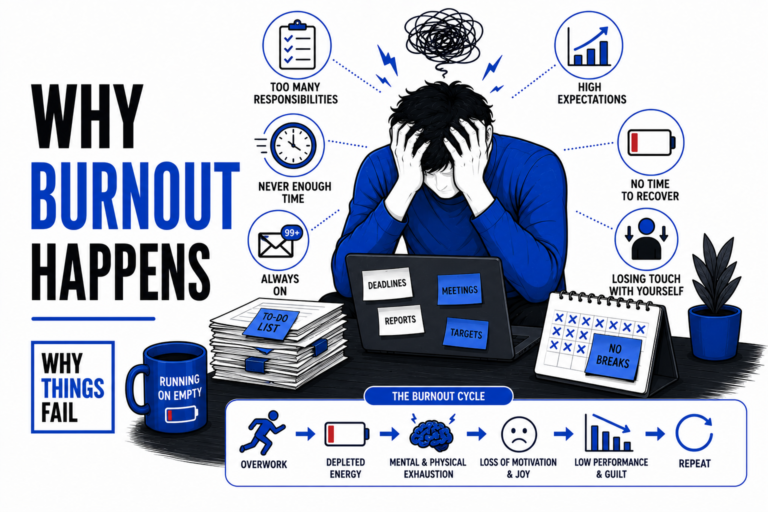
Burnout happens when chronic stress, emotional pressure and constant demands exceed a person’s ability to recover. It is rarely caused by working long hours alone. Instead, it develops through a combination of poor boundaries, unrealistic expectations, emotional decision making, weak support systems and environments that reward constant productivity over sustainable performance.
Introduction
Burnout has become one of the defining challenges of modern work.
Employees leave successful careers because they can no longer cope. Entrepreneurs abandon businesses they once loved. Managers lose motivation despite years of achievement. Even high performers who appear successful from the outside often struggle with exhaustion, cynicism and declining performance.
These outcomes raise an important question.
Why does burnout continue to affect talented, ambitious and hardworking people despite growing awareness of mental wellbeing?
Many people assume burnout is simply the result of working too much.
That explanation is incomplete.
Some people work long hours for decades without experiencing burnout, while others reach emotional exhaustion after only a few years in demanding environments.
The difference is not measured only by workload. It is shaped by psychology, incentives, workplace culture and the way people respond to prolonged stress.
Understanding why burnout happens requires looking beyond tiredness. It requires investigating the hidden behavioural patterns and organisational systems that gradually transform commitment into exhaustion.
What Is Burnout?
Burnout is not ordinary tiredness after a demanding week.
The World Health Organization formally classifies burnout as an occupational phenomenon resulting from chronic workplace stress that hasn’t been successfully managed, marked by exhaustion, cynicism, and reduced professional effectiveness.
People experiencing burnout often feel emotionally drained, disconnected from their work and unable to perform at the level they once considered normal. Tasks that previously felt meaningful begin to feel overwhelming. Motivation declines, concentration weakens and even simple decisions require significant effort.
Burnout develops gradually rather than suddenly.
It is the result of repeated demands that consistently exceed a person’s capacity to recover.
This distinction is important because recovery from ordinary fatigue may require rest, while recovery from burnout often requires deeper changes in behaviour, expectations and working conditions.
The Biggest Myth
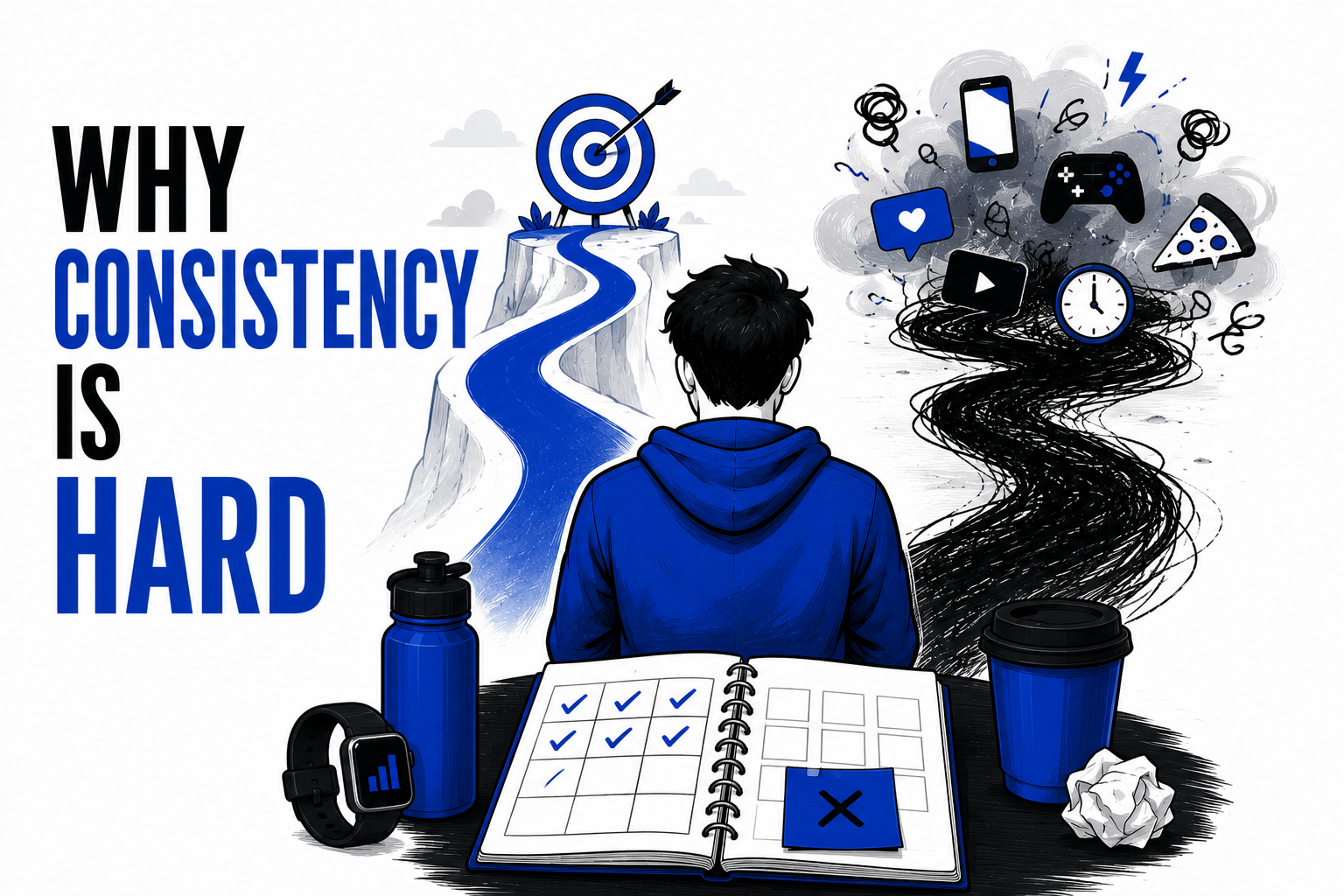
The most common belief is that burnout happens because people work too many hours.
Working hours certainly contribute, but they rarely explain the full picture.
Many professionals willingly work extended hours during important projects without experiencing burnout because they retain a sense of purpose, control and recovery.
Burnout is more likely when people feel trapped by constant demands they cannot influence.
A lack of autonomy, unclear expectations, emotional pressure and continuous interruptions often create greater psychological strain than long working hours alone.
The problem is not simply the amount of work.
It is the relationship between effort, control, reward and recovery.
This explains why two people performing similar roles can experience completely different levels of wellbeing.
What Usually Happens?
Burnout rarely begins with complete exhaustion.
It usually starts with enthusiasm.
People accept additional responsibilities because they want to succeed.
Recognition reinforces extra effort.
Boundaries gradually disappear.
Working longer becomes normal.
Rest begins to feel unproductive.
Small signs of fatigue are ignored because performance remains acceptable.
Over time, recovery becomes less effective.
Energy declines.
Patience decreases.
Motivation fades.
Eventually, productivity falls despite increasing effort.
By the time burnout becomes obvious, the behavioural patterns responsible have often existed for months or even years.
Why Does It Happen?
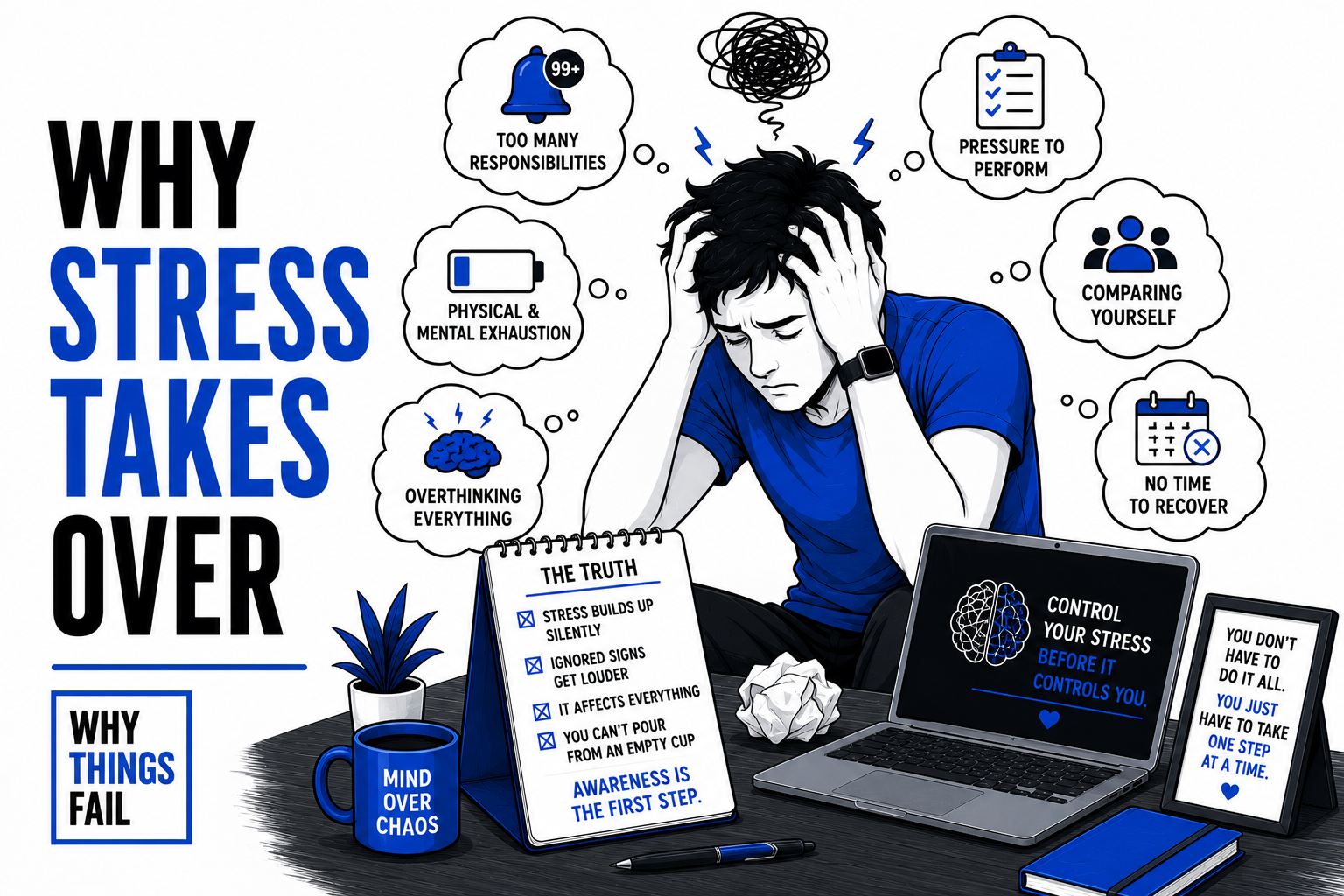
Burnout is often described as a consequence of stress.
Stress is only part of the explanation.
The deeper causes lie in the interaction between human psychology, workplace incentives and repeated behavioural decisions.
Burnout becomes predictable when recovery is continually sacrificed in pursuit of performance.
Chronic Stress Changes Decision Making
The human brain is designed to respond to short periods of stress.
When stress becomes continuous, the brain begins prioritising immediate survival over long term judgement.
Attention narrows.
Patience declines.
Problem solving becomes more difficult.
People begin reacting rather than thinking.
Small challenges feel disproportionately large because mental resources have already been depleted.
This explains why people experiencing burnout often make decisions they later regret.
The issue is not intelligence.
It is cognitive overload.
Achievement Can Become A Psychological Trap
Many people who experience burnout are highly conscientious.
They take pride in producing excellent work.
They volunteer for additional responsibilities.
They believe saying yes demonstrates commitment.
Initially these behaviours are rewarded.
Managers recognise reliability.
Clients express appreciation.
Career opportunities increase.
Over time the same strengths become liabilities.
People become known as those who never refuse work.
Expectations quietly increase.
Workload expands without conscious agreement.
The desire to maintain a positive reputation makes declining new responsibilities emotionally uncomfortable.
Achievement gradually transforms into obligation.
The Reward System Encourages Unsustainable Behaviour
Many organisations unintentionally reward behaviours that increase the risk of burnout.
Employees who respond to emails late at night are praised for dedication.
People who work through holidays are viewed as committed.
Constant availability becomes associated with professionalism.
These incentives encourage individuals to ignore personal limits because immediate recognition outweighs distant health consequences.
Behavioural economists describe this as present bias.
People naturally value immediate rewards more highly than future wellbeing.
The consequences of burnout often appear months later, making unhealthy behaviour feel worthwhile in the short term.
Emotional Responsibility Becomes Emotional Exhaustion
Burnout is particularly common in professions involving emotional labour.
Healthcare workers, teachers, customer service professionals, managers and caregivers regularly absorb the emotions of other people while managing their own.
Supporting distressed colleagues, demanding customers or vulnerable patients requires sustained emotional effort.
Unlike physical work, emotional labour leaves few visible signs of fatigue.
As a result, many people underestimate its cumulative impact.
Eventually emotional resources become depleted.
Compassion becomes more difficult.
Empathy requires increasing effort.
People begin feeling detached from work that once gave them purpose.
This emotional distance is not a sign of indifference.
It is often a protective response to prolonged psychological strain.
Perfectionism Creates Endless Work
Perfectionism is frequently misunderstood as a positive quality.
In reality it often creates conditions where work never feels complete.
Every task can be improved.
Every decision can be reconsidered.
Every project feels personally significant.
This mindset prevents genuine recovery because the brain remains mentally engaged even after work has ended.
People may leave the office, but they continue replaying conversations, reviewing decisions and anticipating future problems.
Without psychological detachment, physical rest alone cannot restore energy.
The body pauses.
The mind continues working.
Lack Of Control Intensifies Stress
Research consistently shows that people tolerate demanding work more effectively when they have meaningful control over how it is performed.
Burnout becomes more likely when responsibility increases while autonomy decreases.
Employees expected to achieve ambitious targets without sufficient authority, resources or flexibility often experience helplessness.
This imbalance creates frustration because effort no longer appears connected to outcomes.
Humans are generally willing to work hard when they believe their actions influence results.
When control disappears, motivation gradually gives way to emotional exhaustion.
Burnout Is Often A System Failure Rather Than A Personal Failure
Many discussions about burnout focus exclusively on individual resilience.
This perspective overlooks the role of organisational systems.
Poor leadership, unrealistic workloads, unclear priorities, constant interruptions and inadequate staffing create environments where burnout becomes increasingly likely regardless of individual determination.
People adapt to unhealthy systems until adaptation becomes impossible.
By the time burnout is recognised, the problem is often treated as a personal weakness rather than evidence that the surrounding system has been demanding more than any individual can sustainably provide.
Understanding burnout therefore requires examining both personal behaviour and organisational design.
Neither can be understood in isolation.
Warning Signs
Burnout rarely appears overnight. It develops through small behavioural changes that gradually become normal. The challenge is that these warning signs often resemble dedication rather than distress.
One of the earliest signs is constant mental fatigue that does not improve after weekends or holidays. Rest no longer restores energy because the underlying source of stress remains unresolved.
Another warning sign is emotional detachment. People begin losing interest in work they once enjoyed. Conversations become transactional. Creativity declines and enthusiasm is replaced by indifference.
Irritability also becomes more common. Minor inconveniences trigger disproportionately strong reactions because emotional capacity has already been depleted. Patience becomes increasingly difficult to maintain.
A decline in decision making quality is another indicator. Burnout reduces cognitive resources, making concentration, memory and problem solving more challenging. Simple tasks begin taking longer than they once did.
Many people also withdraw from colleagues, friends and family. Social interaction starts feeling like another demand rather than a source of support.
These warning signs are frequently ignored because they develop gradually. People assume they simply need to work harder, become more organised or wait until the current busy period ends. Unfortunately, that busy period often becomes permanent.
What Could Have Prevented It?
Burnout cannot always be prevented because periods of intense pressure are unavoidable in many professions. However, prolonged burnout is often the result of systems and behaviours that could have been recognised earlier.
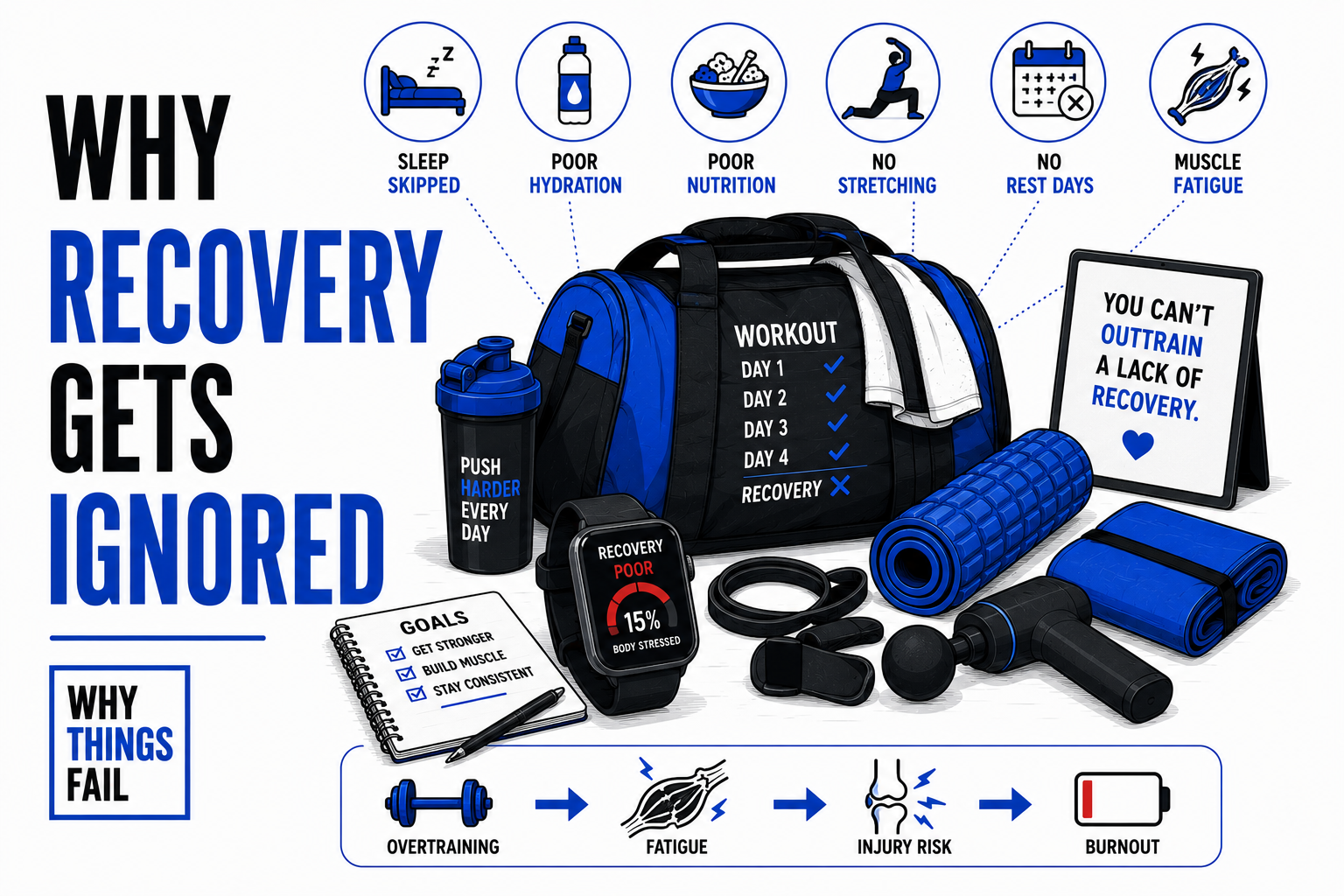
One important safeguard is creating clear boundaries between work and recovery. Continuous availability reduces the brain’s opportunity to recover from sustained stress. Recovery requires genuine periods of psychological detachment rather than simply leaving the workplace.
Leaders also play a critical role. Clear priorities, realistic workloads and open communication reduce unnecessary uncertainty. Employees who understand expectations and feel supported are generally better equipped to manage demanding responsibilities.
Individuals benefit from regularly reviewing how they spend their energy rather than only how they spend their time. Not every demanding task produces the same psychological cost. Emotional labour, constant interruptions and decision fatigue often consume more energy than people realise.
Another preventive measure involves recognising that productivity follows natural limits. Sustainable performance depends upon balancing effort with recovery. Ignoring those limits may increase short term output but often reduces long term effectiveness.
Most importantly, organisations should measure success through consistent performance rather than constant availability. Rewarding healthy work habits creates stronger teams than rewarding exhaustion disguised as commitment.
Lessons
Burnout reveals lessons that extend beyond individual wellbeing. It demonstrates how systems influence behaviour and how incentives shape decision making.
The first lesson is that hard work alone does not create sustainable success. Performance depends upon the ability to recover as much as the ability to produce.
The second lesson is that human attention is a limited resource. Constant demands eventually reduce judgement, creativity and emotional resilience regardless of intelligence or experience.
Another lesson is that incentives matter. Organisations often reward visible effort while overlooking hidden psychological costs. Employees naturally respond to the behaviours that receive recognition.
Perhaps the most important lesson is that resilience should not be confused with endless endurance. True resilience involves recognising limits before they become crises rather than ignoring them until performance collapses.
Failure Pattern
The dominant pattern behind burnout is Poor Boundaries combined with Short Term Thinking and Emotional Decision Making.
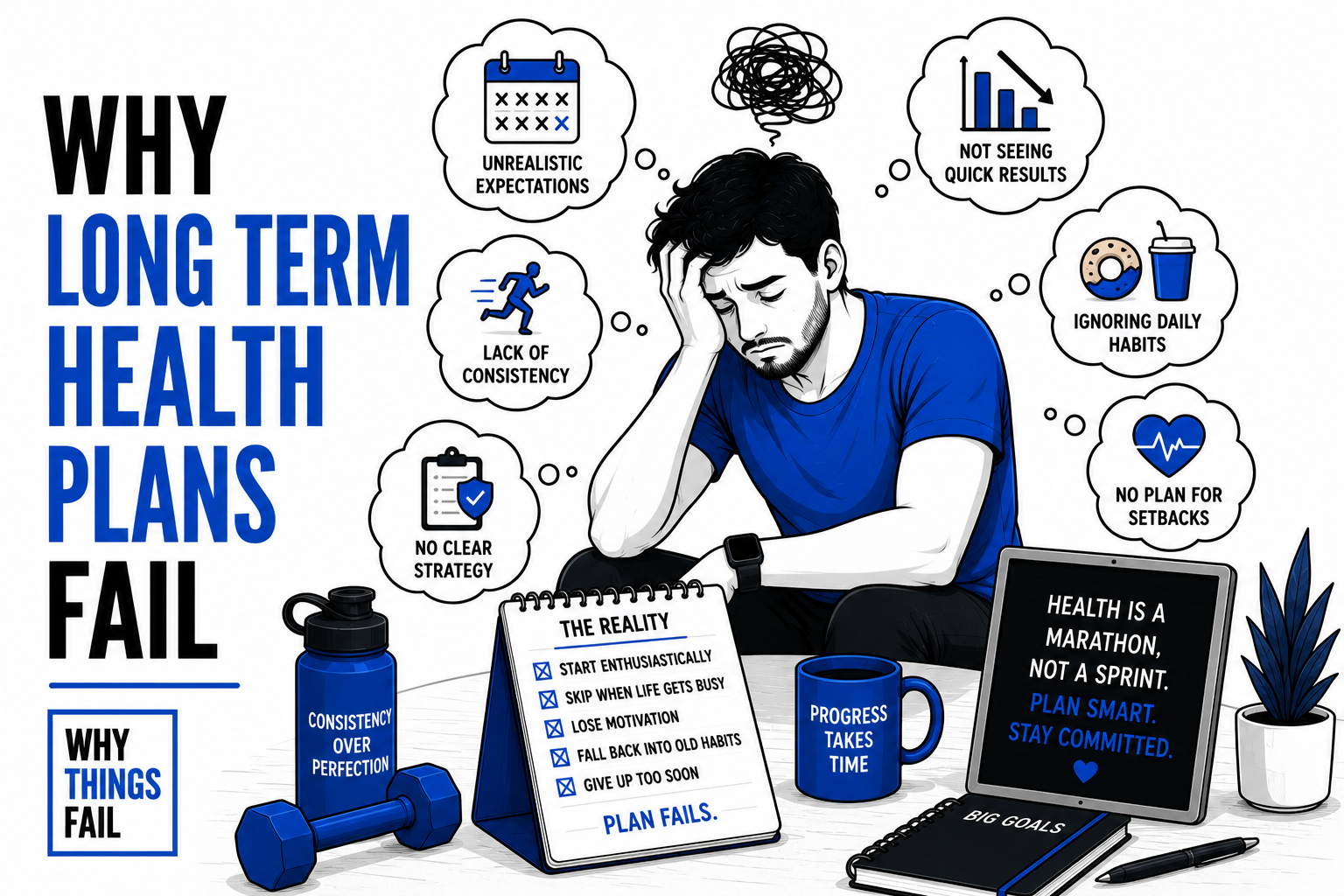
People initially work harder because they care about results. Positive feedback reinforces additional effort. Boundaries gradually disappear. Recovery becomes less frequent while expectations continue increasing.
This cycle repeats across professions because immediate rewards are visible while long term consequences remain delayed.
The same behavioural pattern appears in entrepreneurship, investing and business leadership. People sacrifice recovery to achieve immediate objectives until sustained pressure eventually reduces performance.
Burnout is therefore not simply a workplace issue.
It is a predictable outcome when systems consistently reward output without protecting recovery.
Hidden Lesson
The greatest misconception about burnout is that it reflects personal weakness.
In reality, burnout often reflects prolonged adaptation to demands that were never sustainable.
People do not suddenly lose resilience.
They gradually consume emotional, mental and physical resources faster than they can replace them.
The deeper lesson is that burnout begins long before exhaustion becomes visible. It starts each time recovery is postponed in favour of immediate productivity until temporary sacrifice quietly becomes permanent behaviour.
Failure Scorecard
| Area | Score | Explanation |
| Financial Discipline | 7/10 | Burnout often affects income indirectly through declining productivity rather than poor money management itself. |
| Decision Making | 4/10 | Chronic stress reduces judgement and increases reactive decisions. |
| Risk Management | 5/10 | Many people underestimate the long term risks of prolonged stress. |
| Long Term Thinking | 3/10 | Immediate deadlines frequently receive greater attention than sustainable performance. |
| Emotional Control | 4/10 | Emotional exhaustion gradually weakens patience, resilience and self regulation. |
| Planning | 5/10 | Recovery is often excluded from planning despite being essential for consistent performance. |
| Adaptability | 6/10 | Many individuals adapt impressively to pressure until accumulated stress exceeds their capacity. |
| Self Awareness | 4/10 | Early symptoms are commonly normalised or ignored until burnout becomes severe. |
Key Takeaways
- Burnout is caused by chronic unmanaged stress rather than long working hours alone.
- Poor boundaries gradually become normal before burnout becomes visible.
- Emotional labour can be as exhausting as physical work.
- Organisational incentives strongly influence individual behaviour.
- Recovery is an essential component of sustainable performance.
- Perfectionism often prolongs stress by preventing psychological detachment.
- Burnout reflects an interaction between personal behaviour and workplace systems.
- Sustainable success depends upon balancing effort with recovery rather than maximising either one.
Frequently Asked Questions
Why does burnout happen even when someone enjoys their job?
Enjoyment does not eliminate the effects of chronic stress. Passion can encourage people to ignore limits, making burnout more likely when recovery is consistently neglected.
What is the main cause of burnout?
The main cause is prolonged exposure to stress without sufficient recovery. This often results from excessive workload, poor boundaries, emotional pressure and organisational systems that reward constant availability.
Is burnout the same as stress?
No. Stress is usually temporary and may improve after rest. Burnout is a deeper state of emotional, mental and physical exhaustion that develops after prolonged unmanaged stress.
Why do people ignore the warning signs of burnout?
Many warning signs resemble commitment and ambition. Gradual fatigue, reduced motivation and emotional detachment often become normalised until performance and wellbeing significantly decline.
Can burnout be prevented?
While periods of pressure are unavoidable, burnout risk can be reduced through realistic workloads, healthy boundaries, effective recovery, supportive leadership and systems that value sustainable performance over constant availability.
Conclusion
Burnout does not occur because people suddenly become incapable of handling pressure. It develops through countless small decisions, reinforced by workplace incentives and psychological habits that gradually replace recovery with continuous effort.
Understanding why burnout happens shifts the conversation away from personal weakness and towards the interaction between human behaviour and the systems people work within. Burnout is rarely a failure of commitment. More often, it is evidence that commitment has been sustained far beyond the limits that any individual or organisation can maintain indefinitely.