Why Good Intentions Fail?
Introduction Good intentions are among the most respected and least reliable forces in human life. People intend to exercise, save money, eat better, apologise sooner, work harder, spend more time
Introduction Good intentions are among the most respected and least reliable forces in human life. People intend to exercise, save money, eat better, apologise sooner, work harder, spend more time
Introduction Goals fail long before people abandon them. They usually fail at the moment they are created: too vague, too emotional, too detached from reality, too dependent on motivation, or
Introduction Discipline rarely disappears in a single dramatic moment. It usually fades quietly. A person begins with conviction. They decide to wake earlier, exercise consistently, save money, study harder, eat
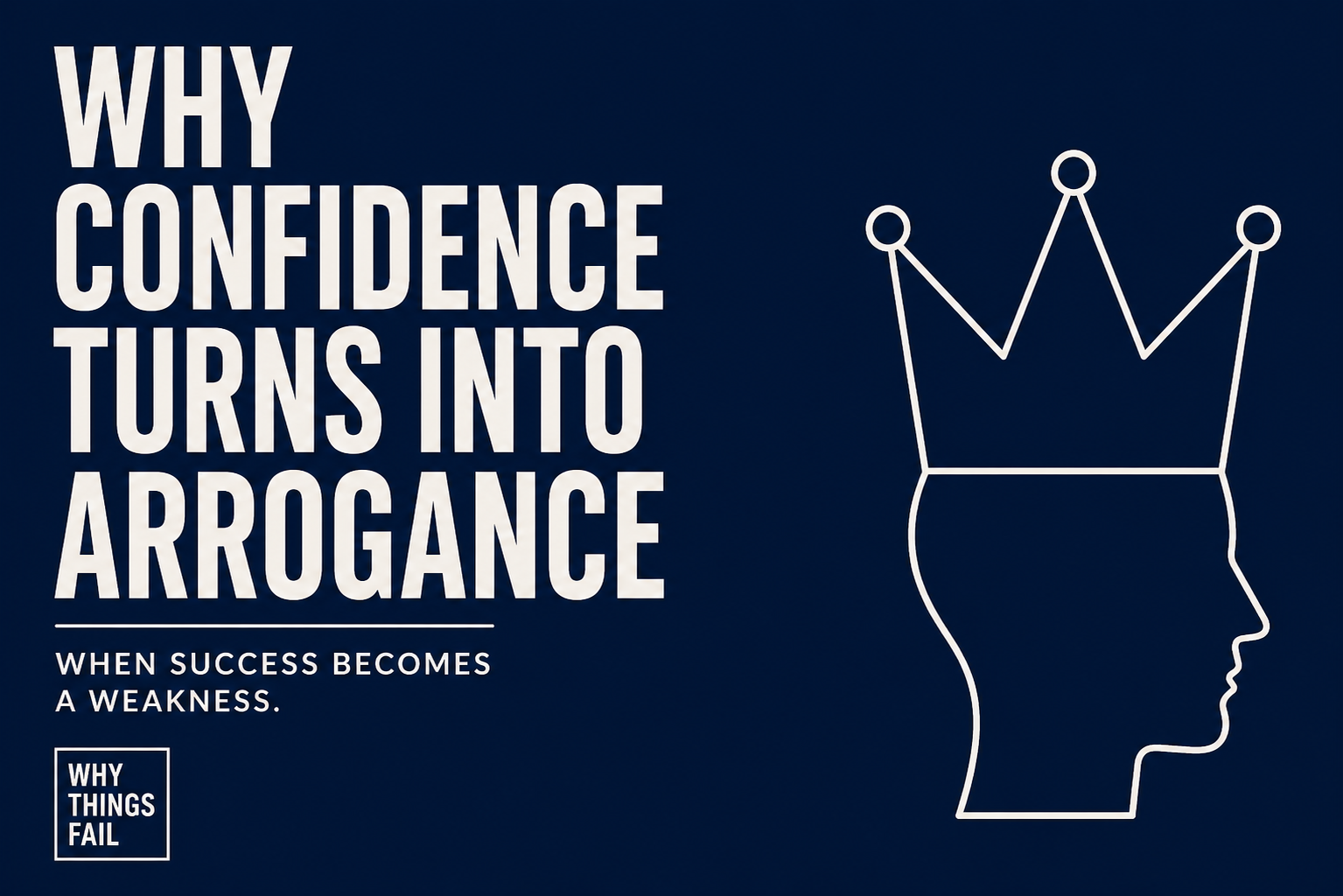
Introduction Confidence is often treated as a virtue. It is praised in leaders, entrepreneurs, athletes, professionals, students and public figures. Confident people appear decisive. They speak clearly. They take action
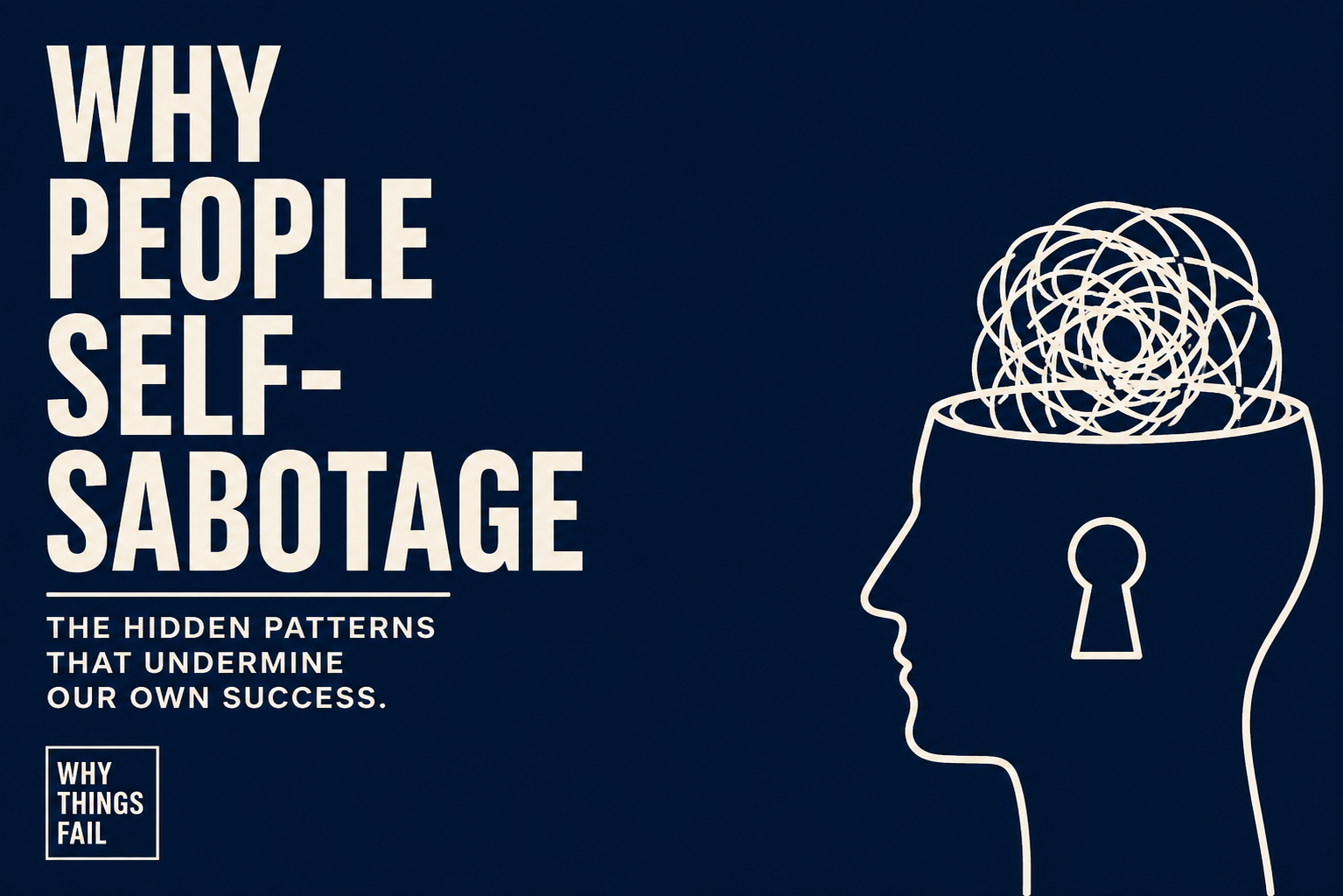
Introduction Few human behaviours are more confusing than self-sabotage. People spend years pursuing a goal building a business, improving their health, finding a meaningful relationship or advancing their career only
Quick Answer Consistency is hard because the human brain naturally prefers immediate rewards over delayed results. Emotional decision making, present bias, poor habit formation, changing
Quick Answer Recovery gets ignored because people naturally focus on preventing failure rather than rebuilding after it. Fear, emotional exhaustion, overconfidence, social pressure and short
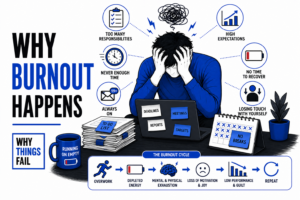
Quick Answer Burnout happens when chronic stress, emotional pressure and constant demands exceed a person’s ability to recover. It is rarely caused by working long
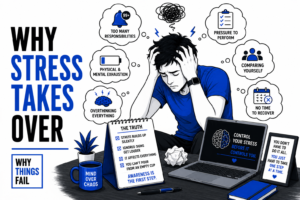
Quick Answer Stress takes over when the brain repeatedly perceives situations as threats without enough time to recover. Over time, the body’s stress response becomes
Quick Answer Consistency is hard because the human brain naturally prefers immediate rewards over delayed results. Emotional decision making, present bias, poor habit formation, changing
Quick Answer Recovery gets ignored because people naturally focus on preventing failure rather than rebuilding after it. Fear, emotional exhaustion, overconfidence, social pressure and short
Quick Answer Burnout happens when chronic stress, emotional pressure and constant demands exceed a person’s ability to recover. It is rarely caused by working long
Quick Answer Stress takes over when the brain repeatedly perceives situations as threats without enough time to recover. Over time, the body’s stress response becomes
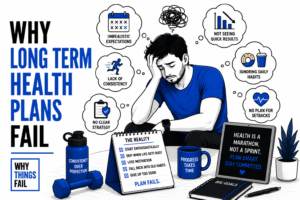
Quick Answer Long term health plans fail because people struggle to maintain consistent behaviours over time rather than lacking knowledge about healthy living. Emotional decision
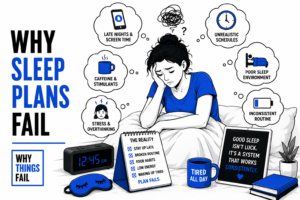
Introduction Millions of people begin a new sleep plan every year believing that better sleep is only a few nights away. They buy sleep tracking