Introduction
Millions of people begin a new sleep plan every year believing that better sleep is only a few nights away. They buy sleep tracking devices, download meditation apps, drink herbal tea and promise themselves that tonight will be different.
For a few days, the plan often works.
Then life intervenes.
A late night meeting, an unfinished project, social media, stress or simply one poor night’s sleep is enough to break the routine. Within weeks, the new habit disappears and old patterns quietly return.
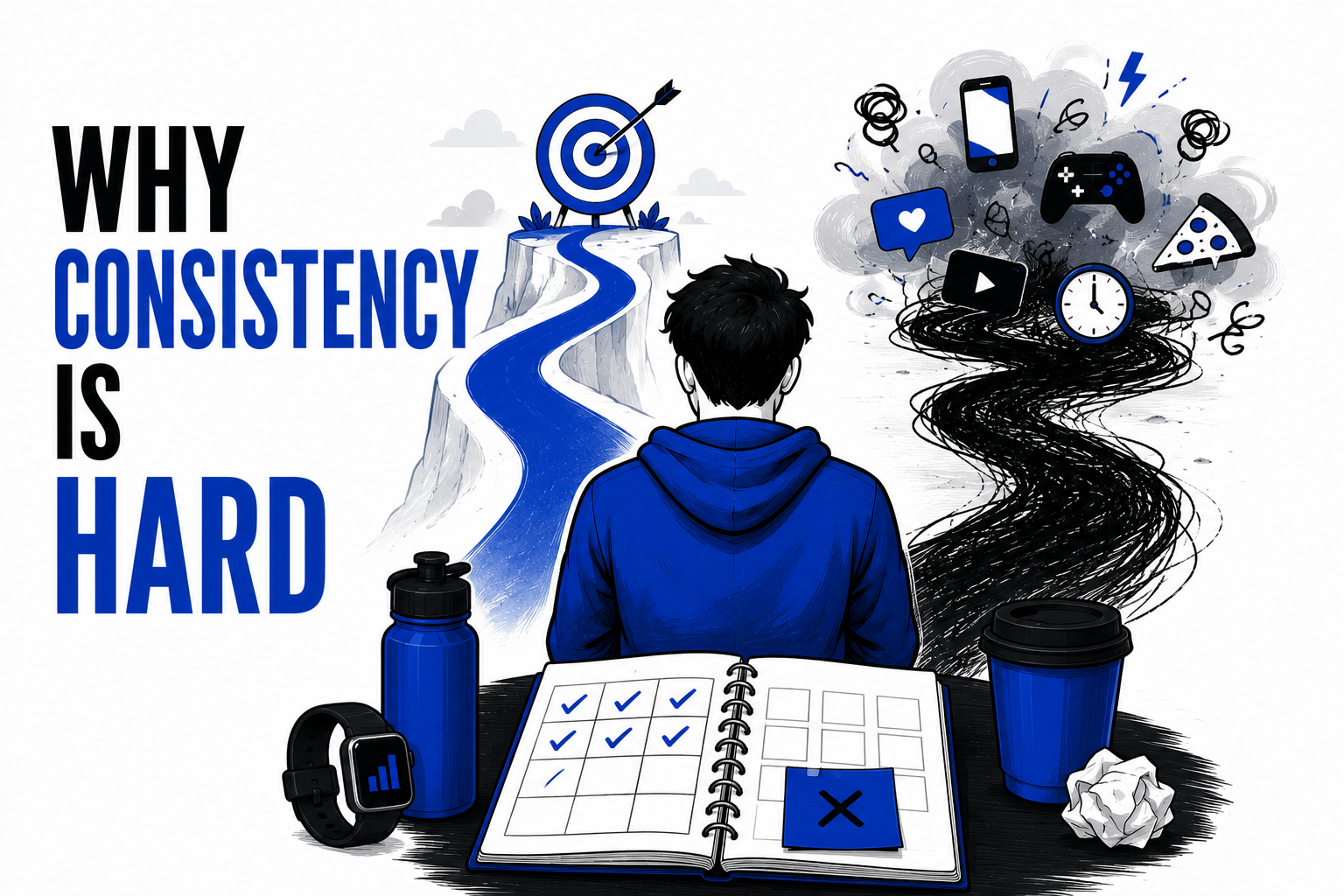
This repeated cycle has created the belief that improving sleep is simply a matter of willpower.
The evidence suggests something very different.
Sleep plans rarely fail because people do not understand the importance of sleep. Most adults already know that insufficient sleep affects concentration and wellbeing the CDC recommends adults get 7 or more hours a night yet knowing the number rarely changes the nightly decisions that determine whether they hit it
The real problem lies deeper.
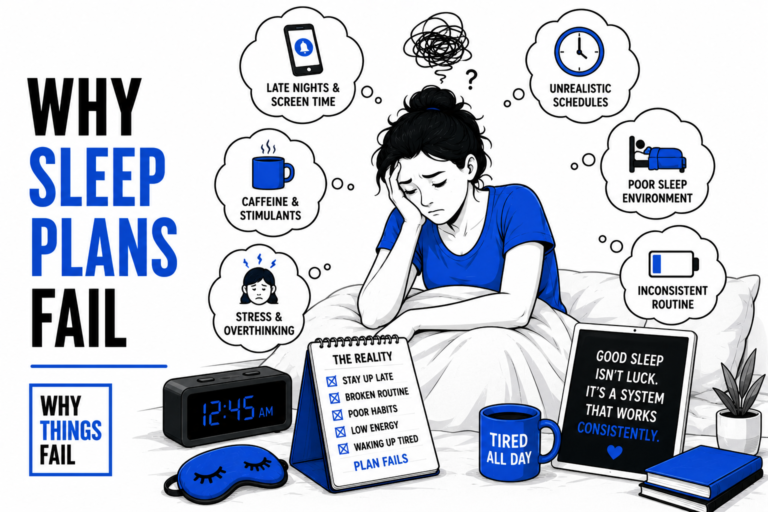
Sleep is influenced by behaviour, biology, psychology, environment and daily decision making. A sleep plan asks people to change several interconnected systems at the same time. When those systems remain unchanged, even the most carefully designed plan eventually collapses.
Understanding why sleep plans fail is therefore not about discovering another bedtime routine. It is about understanding why intelligent people repeatedly make decisions that undermine the very rest they know they need.
What Is A Sleep Plan Failure?
A sleep plan fails when it cannot produce consistent and sustainable improvements in sleep quality over time.
Missing one bedtime does not represent failure.
Experiencing occasional insomnia is also a normal part of life.
Failure occurs when people repeatedly return to unhealthy sleeping habits despite their genuine intention to change.
Some individuals stay awake scrolling through their phones long after deciding to sleep.
Others rely on caffeine to compensate for chronic sleep deprivation while believing tomorrow will be different.
Many maintain inconsistent sleep schedules during the week and attempt to recover by sleeping much longer at weekends.
Although these behaviours appear unrelated, they share one important characteristic.
They prioritise immediate comfort over long term recovery.
Sleep failure is therefore not simply about sleeping fewer hours.
It reflects a pattern of decisions that gradually weaken the body’s natural sleep rhythm and make restorative sleep increasingly difficult.
The Biggest Myth
The most common belief is that successful sleep depends on finding the perfect bedtime routine.
This assumption has created an industry filled with sleep supplements, expensive mattresses, white noise devices and productivity advice.
These tools may help some people, but they rarely address the deeper reasons why sleep plans fail.
The greatest obstacle is usually not the absence of information.
It is the conflict between short term rewards and long term wellbeing.
Watching another episode of a favourite television series feels rewarding.
Checking one more email appears productive.
Scrolling through social media provides immediate entertainment.
Going to bed on time offers a benefit that will only be experienced tomorrow.
Human psychology naturally gives greater importance to immediate rewards than delayed benefits.
This behavioural tendency explains why knowledge alone rarely changes sleeping habits.
The challenge is not understanding what to do.
The challenge is consistently choosing future wellbeing over present comfort.
What Usually Happens?
Most failed sleep plans follow a predictable sequence.
A person becomes frustrated with poor sleep and decides to make a change.
For several nights they follow a structured bedtime routine.
Energy begins improving.
Motivation increases.
Then an unexpected disruption appears.
Work deadlines extend into the evening.
Family responsibilities change the schedule.
Stress increases.
One late night becomes two.
The bedtime routine gradually disappears.
Rather than returning immediately to the original plan, people often postpone restarting until next week or the beginning of the following month.
The cycle repeats itself.
Each failed attempt reduces confidence that lasting improvement is possible.
The problem appears to be lack of discipline.
The deeper explanation is much more complex.
Why Do Sleep Plans Fail?
Sleep plans fail because they attempt to change behaviour without changing the psychological and environmental systems that shape that behaviour.
People often assume that sleep is controlled entirely by personal choice.
Modern research into behavioural psychology suggests otherwise.
Every evening represents a series of decisions influenced by stress, habits, technology, social expectations and biological rhythms.
Sleep becomes the final outcome of choices made throughout the entire day.
Immediate Rewards Always Compete With Future Benefits
One of the strongest behavioural principles affecting sleep is present bias.
People naturally value rewards that can be experienced immediately while underestimating rewards that arrive later.
This explains why staying awake often feels easier than going to bed.
Watching another video, replying to another message or finishing another task provides instant satisfaction.
The benefit of sleeping early cannot be experienced until the following morning.
The brain therefore gives greater weight to activities that produce immediate pleasure even when they reduce long term wellbeing.
This is not simply poor discipline.
It is a predictable feature of human decision making.
Unless a sleep plan accounts for this behavioural tendency, motivation alone gradually loses the competition against immediate gratification.
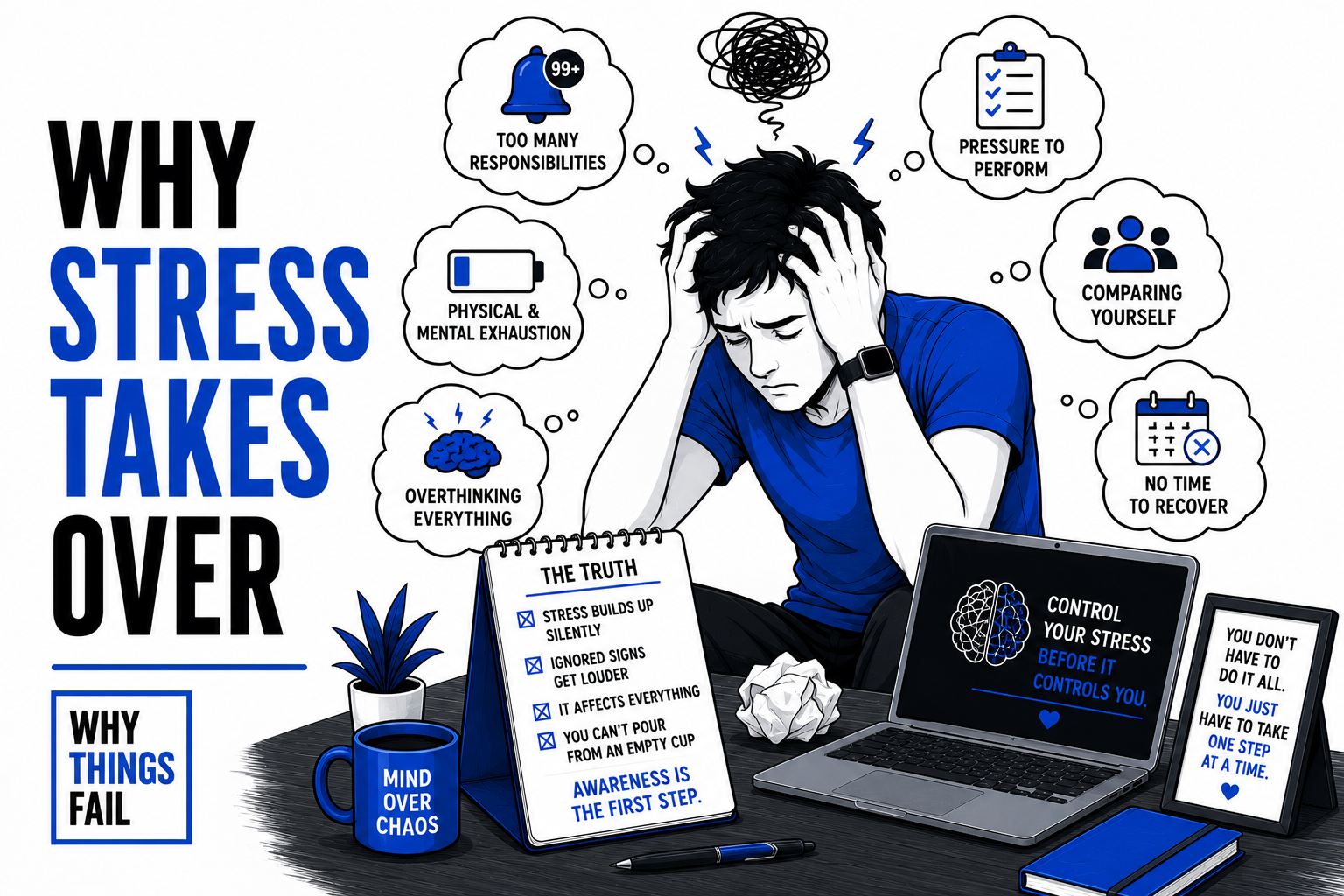
Stress Changes More Than Mood
Stress does not merely make people feel anxious.
It changes the way decisions are made.
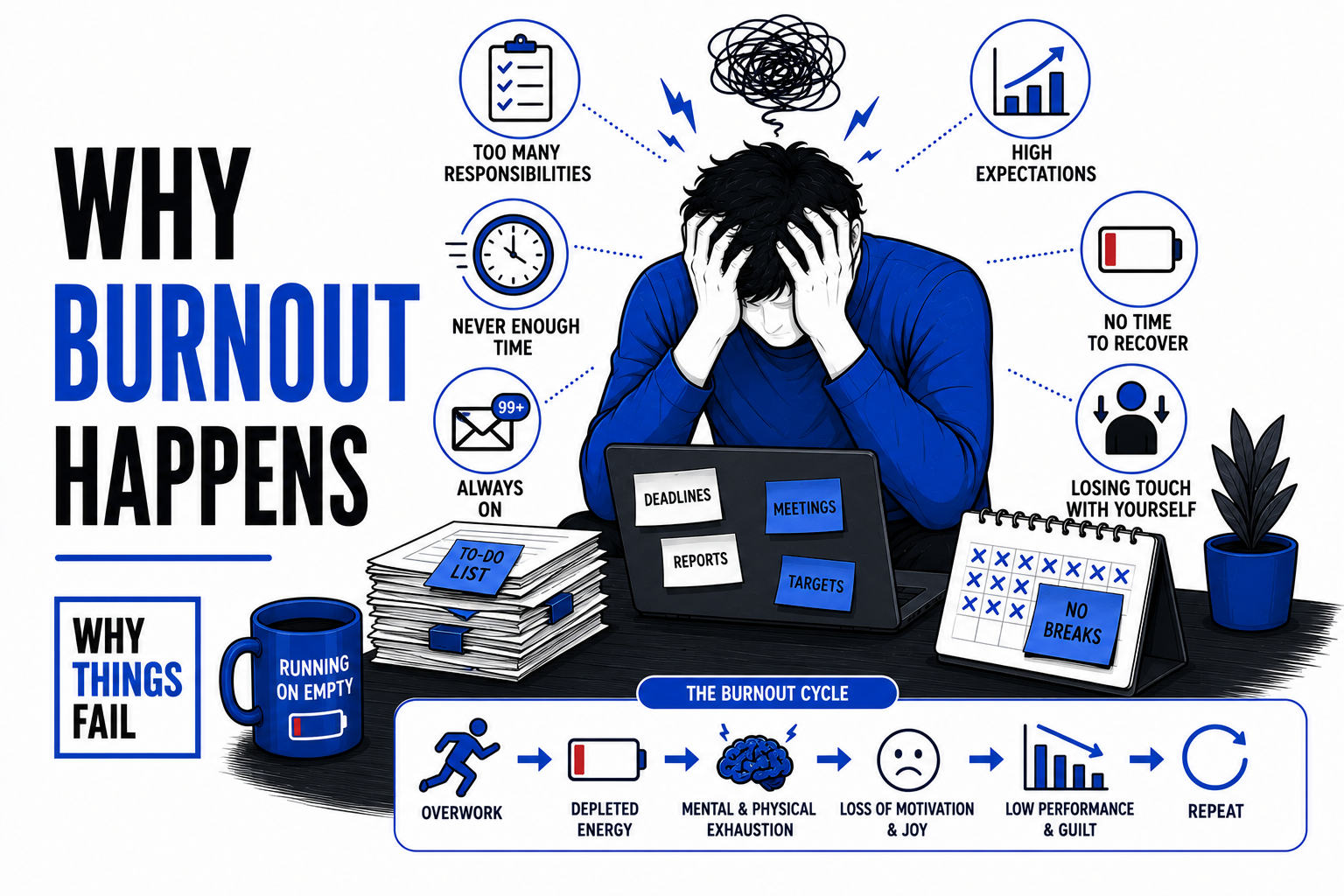
When mental resources become exhausted, people naturally seek activities requiring little effort.
Television, social media, gaming and endless scrolling provide temporary emotional relief after demanding days.
Ironically, these same behaviours delay sleep and reduce sleep quality.
The following day begins with fatigue.
Fatigue reduces self control.
Reduced self control increases the likelihood of repeating the same evening behaviour.
A self reinforcing cycle develops.
The problem is no longer the original source of stress.
The problem becomes the behavioural pattern stress has created.
Technology Competes Directly With Sleep
Modern technology has fundamentally changed the sleeping environment.
Unlike previous generations, people now carry entertainment, communication, work and social interaction into the bedroom.
Every notification creates curiosity.
Every message encourages another response.
Every recommendation invites another video.
Technology companies are designed to maximise engagement because attention creates commercial value.
This creates an incentive system directly competing with healthy sleep habits.
People often believe they lack discipline.
In reality, they are attempting to resist products deliberately engineered to capture and retain attention.
Understanding this changes the conversation.
Sleep plans do not fail simply because individuals make poor choices.
They often fail because powerful external systems continually encourage those choices.
Habit Loops Become Stronger Than Motivation
Many people rely on motivation when beginning a sleep plan.
Motivation is valuable.
It is also temporary.
Habits operate differently.
Repeated behaviours eventually become automatic responses triggered by familiar situations.
A person who always checks social media before sleeping no longer makes an active decision each evening.
The behaviour becomes automatic.
Breaking this habit requires more than determination.
It requires replacing existing behavioural cues with healthier routines that can eventually become automatic themselves.
Until that happens, old habits usually outperform new intentions because the brain prefers familiar patterns over conscious effort.
Sleep Debt Creates Poor Decisions
One of the least recognised reasons sleep plans fail is that poor sleep itself weakens decision making.
Sleep deprived individuals often struggle with impulse control, emotional regulation and long term planning.
This creates a paradox.
The very condition people are trying to improve also reduces their ability to follow the plan designed to improve it.
Fatigue encourages procrastination.
Procrastination delays bedtime.
Later bedtimes increase fatigue.
The cycle gradually strengthens itself.
This explains why repeated sleep failure is rarely caused by laziness.
It is often the result of behavioural patterns that continuously reinforce one another until poor sleep becomes the default rather than the exception.
Warning Signs
Sleep plans rarely collapse without warning. The signs usually appear long before people realise their routine is becoming unsustainable.
One warning sign is treating bedtime as flexible while treating morning responsibilities as fixed. Every late night quietly reduces the opportunity for recovery, yet many people believe they can compensate later. Over time, this creates an accumulated sleep debt that becomes increasingly difficult to repay.
Another warning sign is relying on motivation instead of routine. People follow their sleep plan when they feel determined, but abandon it as soon as life becomes busy or stressful. A habit that depends entirely on motivation cannot remain consistent because motivation naturally fluctuates.
A growing dependence on caffeine is another indicator. Coffee and energy drinks temporarily improve alertness, masking the effects of poor sleep rather than solving the underlying problem. This creates the illusion that insufficient sleep is manageable while the body’s need for recovery continues increasing.
Many people also ignore the emotional effects of inadequate sleep. Increased irritability, reduced concentration, poor decision making and declining productivity are often attributed to work pressure instead of recognising that chronic sleep deprivation is contributing to these problems.
Perhaps the clearest warning sign is believing that one more late night will not matter. This belief encourages repeated exceptions until unhealthy behaviour becomes the normal routine rather than the exception.
What Could Have Prevented It?
Successful sleep plans are built around systems rather than intentions.
The first step is creating consistency instead of perfection. Sleeping and waking at similar times each day strengthens the body’s natural circadian rhythm and reduces dependence on motivation.
The evening environment also matters. Removing unnecessary distractions before bedtime reduces the number of decisions that compete with sleep. A bedroom designed for rest rather than entertainment makes healthy behaviour easier to sustain.
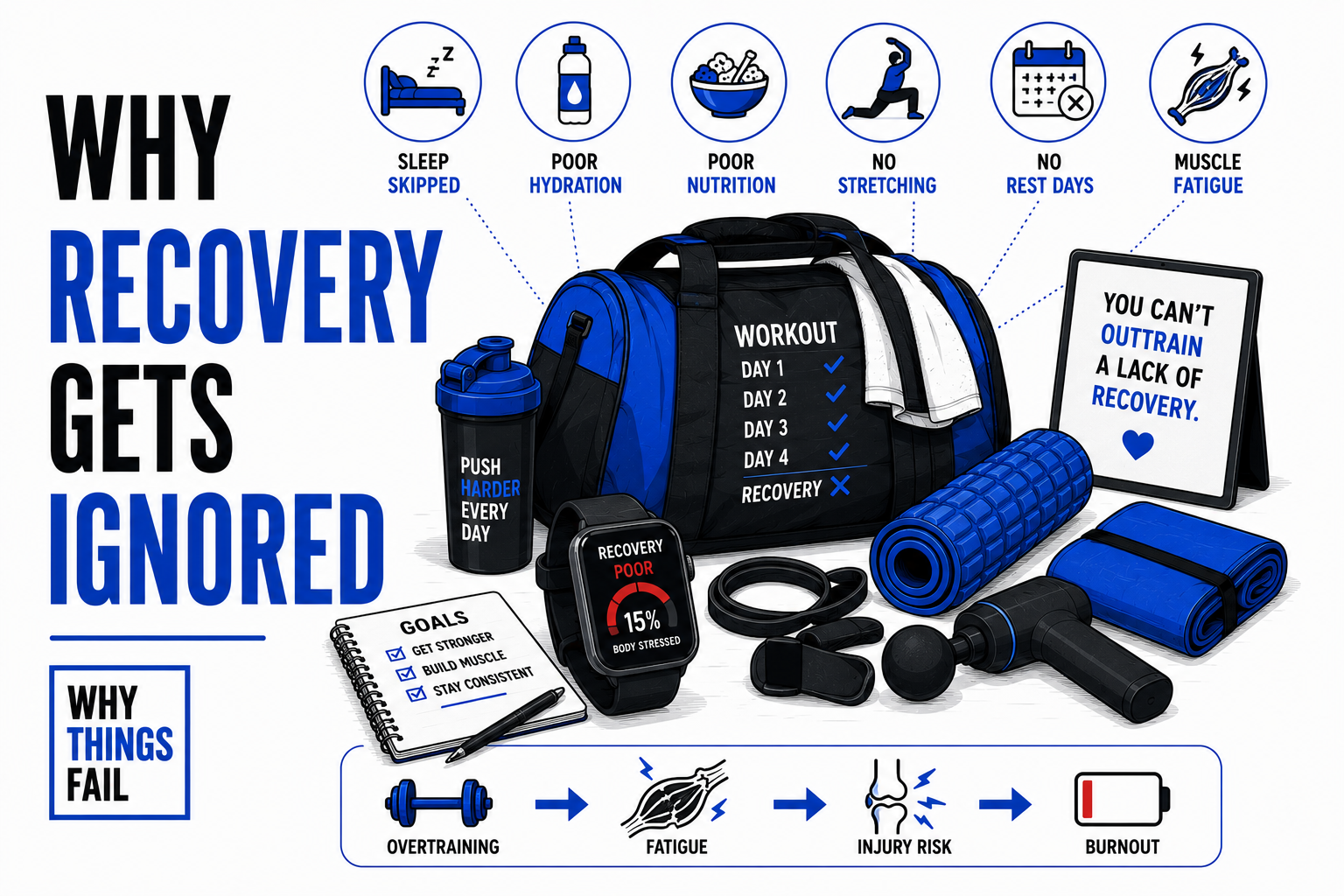
Another important change is recognising that sleep begins long before bedtime. Daily stress management, regular physical activity, balanced nutrition and sensible caffeine consumption all influence the quality of sleep later that evening.
Planning for disruptions is equally important. Travel, work deadlines and family responsibilities will occasionally interrupt any routine. People who expect these challenges are more likely to return to healthy habits quickly instead of abandoning the entire plan.
Most importantly, sleep should be viewed as an investment in future performance rather than time taken away from productivity. This shift in perspective changes the incentives behind everyday decisions.
Lessons
Sleep plans reveal an important truth about human behaviour.
People rarely fail because they lack information. They fail because their environment, habits and incentives encourage behaviour that conflicts with their long term goals.
Another lesson is that behaviour changes more effectively through systems than through willpower. Sustainable routines reduce the need for constant self control because healthy decisions gradually become automatic.
Sleep also demonstrates that delayed consequences often hide growing problems. One late night appears insignificant. Repeated over weeks or months, it influences physical health, emotional wellbeing, productivity and decision making in ways that are rarely recognised immediately.
Perhaps the most valuable lesson is that lasting improvement comes from understanding behaviour rather than fighting it. Plans become sustainable when they work with human psychology instead of expecting people to overcome it every evening.
Failure Pattern
The dominant pattern behind failed sleep plans is Short Term Thinking reinforced by Emotional Decision Making.
Immediate comfort repeatedly defeats future wellbeing. Entertainment, work, social interaction and digital distractions provide rewards that can be experienced instantly. The benefits of quality sleep remain delayed until the following day.
Stress strengthens this pattern by increasing the desire for immediate relief. Poor sleep then weakens emotional control, making the same decisions even more likely the following evening.
This behavioural cycle appears in many other areas of life. People delay exercise, postpone saving money and ignore healthy eating for the same reason. Immediate rewards consistently outweigh long term benefits unless behaviour is supported by effective systems.
Hidden Lesson
The greatest obstacle to better sleep is not a lack of knowledge.
It is the mistaken belief that bedtime decisions are made only in the evening.
Most sleep plans fail because the behaviours shaping sleep begin much earlier. Stress accumulated during the day, constant digital stimulation, inconsistent routines and poor recovery habits quietly determine whether quality sleep becomes possible.
The final decision to stay awake is often only the last step in a behavioural process that began hours before.
Failure Scorecard
| Area | Score | Explanation |
| Discipline | 5/10 | Good intentions often weaken when routines depend on motivation rather than consistent habits. |
| Decision Making | 4/10 | Immediate rewards frequently outweigh long term health considerations. |
| Risk Management | 5/10 | Many people underestimate the cumulative effects of chronic sleep deprivation. |
| Long Term Thinking | 4/10 | Future wellbeing is regularly sacrificed for present convenience. |
| Knowledge | 8/10 | Most people understand the importance of sleep but struggle to apply that knowledge consistently. |
| Emotional Control | 5/10 | Stress and fatigue frequently influence evening decisions. |
| Planning | 4/10 | Sleep routines often fail because disruptions are not anticipated or managed. |
| Adaptability | 6/10 | Many people recover slowly after interruptions instead of returning quickly to healthy routines. |
Key Takeaways
- Sleep plans usually fail because behaviour does not change alongside intention.
- Immediate rewards often outweigh delayed health benefits.
- Stress influences sleep by changing decision making throughout the day.
- Technology competes directly for attention during the hours before bedtime.
- Consistent routines are more reliable than temporary motivation.
- Poor sleep weakens judgement, making healthy decisions increasingly difficult.
- Small nightly compromises gradually become long term habits.
- Lasting improvement depends on changing systems rather than relying on willpower.
Frequently Asked Questions
Why do sleep plans fail so often?
Most sleep plans fail because they rely on motivation instead of consistent behavioural systems. Stress, technology and immediate rewards gradually weaken commitment to the routine.
Can poor sleep affect decision making?
Yes. Insufficient sleep reduces concentration, emotional regulation, impulse control and the ability to make balanced decisions throughout the day.
Is technology one of the biggest reasons sleep plans fail?
For many people, yes. Smartphones, streaming platforms and social media are designed to maintain attention, making it more difficult to disconnect and follow a consistent bedtime routine.
Why is consistency more important than perfection?
The body responds best to regular sleep and wake times. Occasional disruptions are normal, but returning quickly to a consistent routine supports better long term sleep quality.
Can stress alone ruin a sleep plan?
Stress rarely acts alone, but it often triggers behaviours such as late night screen use, irregular bedtimes and poor recovery habits that gradually undermine healthy sleep.
Conclusion
Sleep plans do not usually fail because people underestimate the importance of sleep. They fail because everyday decisions, environmental influences and behavioural patterns quietly work against the routines required for lasting change.
Understanding this shifts the focus from blaming willpower to examining the systems that shape behaviour. Better sleep is rarely achieved through stronger determination alone. It becomes sustainable when daily habits, incentives and environments consistently support the decision to rest before the body is forced to demand it.