Quick Answer
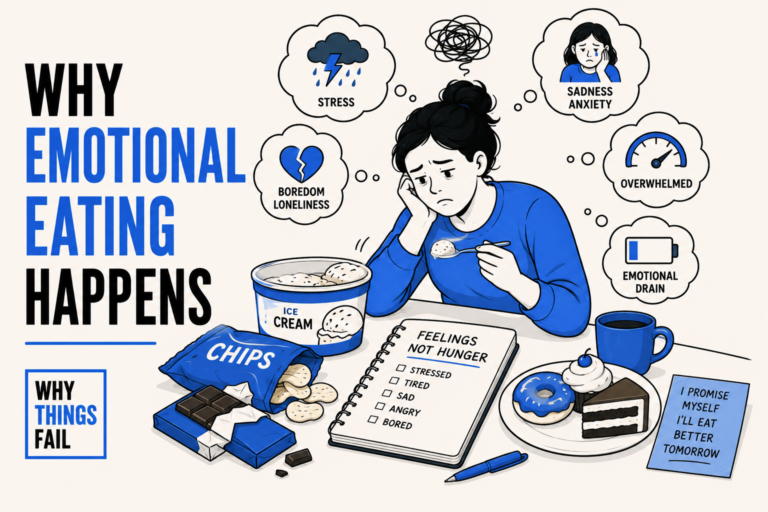
Emotional eating happens because the brain often uses food as a coping mechanism rather than a source of nutrition. Stress, anxiety, sadness, boredom and emotional discomfort activate the brain’s reward system, making highly processed foods feel like a temporary solution. The real cause is rarely hunger. It is the interaction between emotions, habits, brain chemistry and learned behaviour.
Introduction
Most people believe emotional eating is simply a matter of poor self control.
The reality is far more complex.
Millions of people reach for chocolate after a stressful day, order takeaway when feeling lonely or snack continuously while working under pressure. These choices often appear irrational, particularly when the person understands the importance of healthy eating.
Yet emotional eating is not usually caused by a lack of nutritional knowledge.
It is a behavioural response that develops over time through repeated associations between emotions and food.
Modern food environments make this response even stronger. Highly processed foods are inexpensive, widely available and specifically designed to activate the brain’s reward system. At the same time, modern lifestyles expose people to chronic stress, poor sleep, social isolation and constant mental stimulation.
These conditions create an environment where eating becomes more than a biological necessity. It becomes an emotional coping strategy.
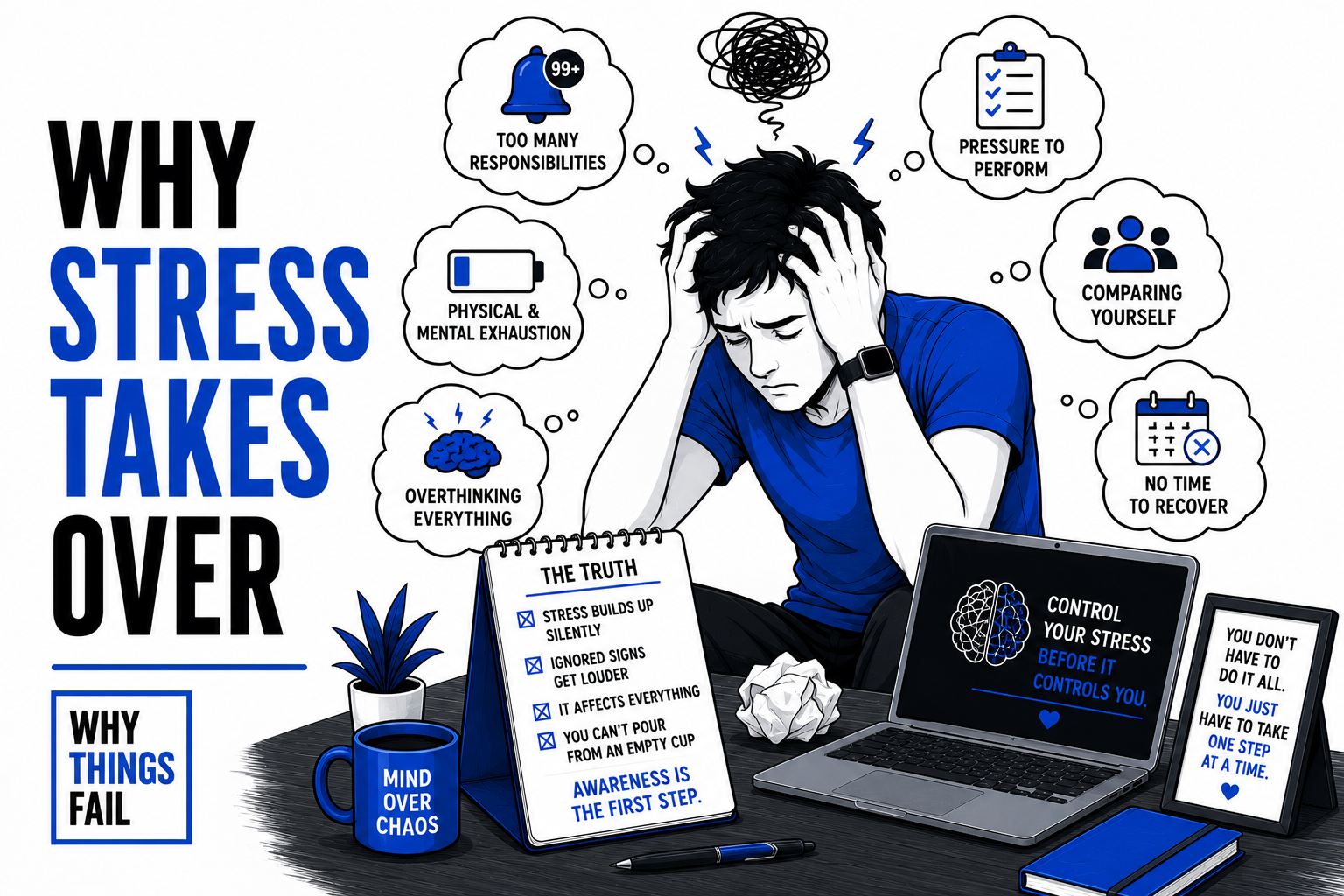
Understanding why emotional eating happens requires looking beyond calories and diets the same behavioural pattern behind why stress takes over more broadly. It requires examining how psychology, neuroscience, habits and environmental influences work together to shape behaviour.
Only by understanding these deeper mechanisms can we explain why emotional eating continues even when people genuinely want to stop.
What Is Emotional Eating?
Emotional eating is the habit of eating in response to emotions rather than physical hunger.
Instead of eating because the body requires energy, people eat to reduce emotional discomfort or increase emotional comfort.
The trigger may be stress, anxiety, sadness, loneliness, frustration, boredom or even happiness.
Food temporarily changes how the brain feels. Sugary and high fat foods stimulate the release of dopamine, creating short lived feelings of pleasure and relief. Over time, the brain begins linking certain emotions with eating, turning food into an automatic coping mechanism.
This explains why someone may crave biscuits after a difficult meeting or ice cream after an upsetting conversation despite having eaten recently.
The behaviour is driven less by hunger and more by emotional regulation.
The Biggest Myth
The most common myth is that emotional eating happens because people lack willpower.
This belief oversimplifies a highly complex behavioural process.
If emotional eating were simply about discipline, people would stop as soon as they recognised the consequences. Instead, many continue the behaviour despite understanding its impact on physical health, body weight and emotional wellbeing.
Behavioural psychology offers a different explanation.
Human decisions are rarely based on logic alone. They are influenced by habits, emotions, environmental cues and the brain’s reward system.
Food provides immediate emotional relief.
Healthy habits often provide delayed benefits.
The brain naturally prefers immediate rewards over future outcomes, especially during periods of stress.
This principle, known as present bias, explains why emotional eating can feel almost automatic even when someone intends to eat healthily.
The problem is not a lack of intelligence.
It is the way the brain responds to emotional discomfort.
What Usually Happens?
The pattern is remarkably consistent.
An emotional trigger appears.
Stress increases.
Negative emotions become uncomfortable.
The brain searches for a familiar source of relief.
Highly rewarding foods become appealing.
Eating creates temporary comfort.
The emotional discomfort fades for a short period.
Later, guilt or regret develops.
The next stressful situation reinforces the same behaviour.
Over time, this cycle becomes a habit that operates with very little conscious thought.
The individual no longer chooses food after every emotional event.
The brain begins expecting it.
Why Emotional Eating Happens
Understanding emotional eating requires moving beyond food itself.
Food is rarely the real problem.
It is the solution the brain has learned to use.
The deeper causes lie within human psychology, behavioural learning, emotional regulation and the biological systems that influence decision making.
The Brain Prioritises Emotional Relief Over Long Term Health
The human brain evolved to protect survival, not necessarily long term wellbeing.
When people experience emotional stress, the brain seeks the fastest available source of relief.
Highly processed foods rich in sugar, fat and refined carbohydrates activate the brain’s reward pathways by increasing dopamine activity.
This temporary reward reduces emotional discomfort, even if only for a short period.
The brain remembers this experience.
Each repetition strengthens the association between emotional distress and eating.
Eventually, emotional triggers begin producing food cravings automatically.
The individual believes they are hungry.
In reality, the brain is searching for emotional relief rather than nutritional energy.
Stress Changes Eating Behaviour
Stress is one of the strongest predictors of emotional eating.
When people experience prolonged psychological stress, the body produces higher levels of cortisol.
Cortisol prepares the body to respond to perceived threats.
Unfortunately, chronic stress keeps cortisol elevated for longer than intended.
This affects appetite regulation.
Many people begin craving foods that are rich in calories because these foods provide rapid energy and temporary psychological comfort.
This connection between stress and cravings has real biological backing. UCSF research led by psychologist Elissa Epel found that eating comfort foods high in sugar and fat appears to dampen the body’s cortisol-driven stress response, effectively functioning as a form of self-medication for chronic stress, even though the same pattern is linked to greater long-term weight gain around the abdomen.
The modern workplace creates ideal conditions for this pattern.
Long working hours, financial pressure, family responsibilities and constant digital connectivity prevent many people from fully recovering from daily stress.
Instead of addressing the underlying source of stress, food becomes the quickest available coping mechanism.
Habits Become Stronger Than Intentions
Most emotional eating begins as a conscious decision.
Repeated often enough, it becomes an automatic habit.
Behavioural scientists describe this as the habit loop.
Every habit contains three elements.
A trigger.
A behaviour.
A reward.
For emotional eating, the trigger is often an uncomfortable emotion.
The behaviour is eating.
The reward is temporary emotional relief.
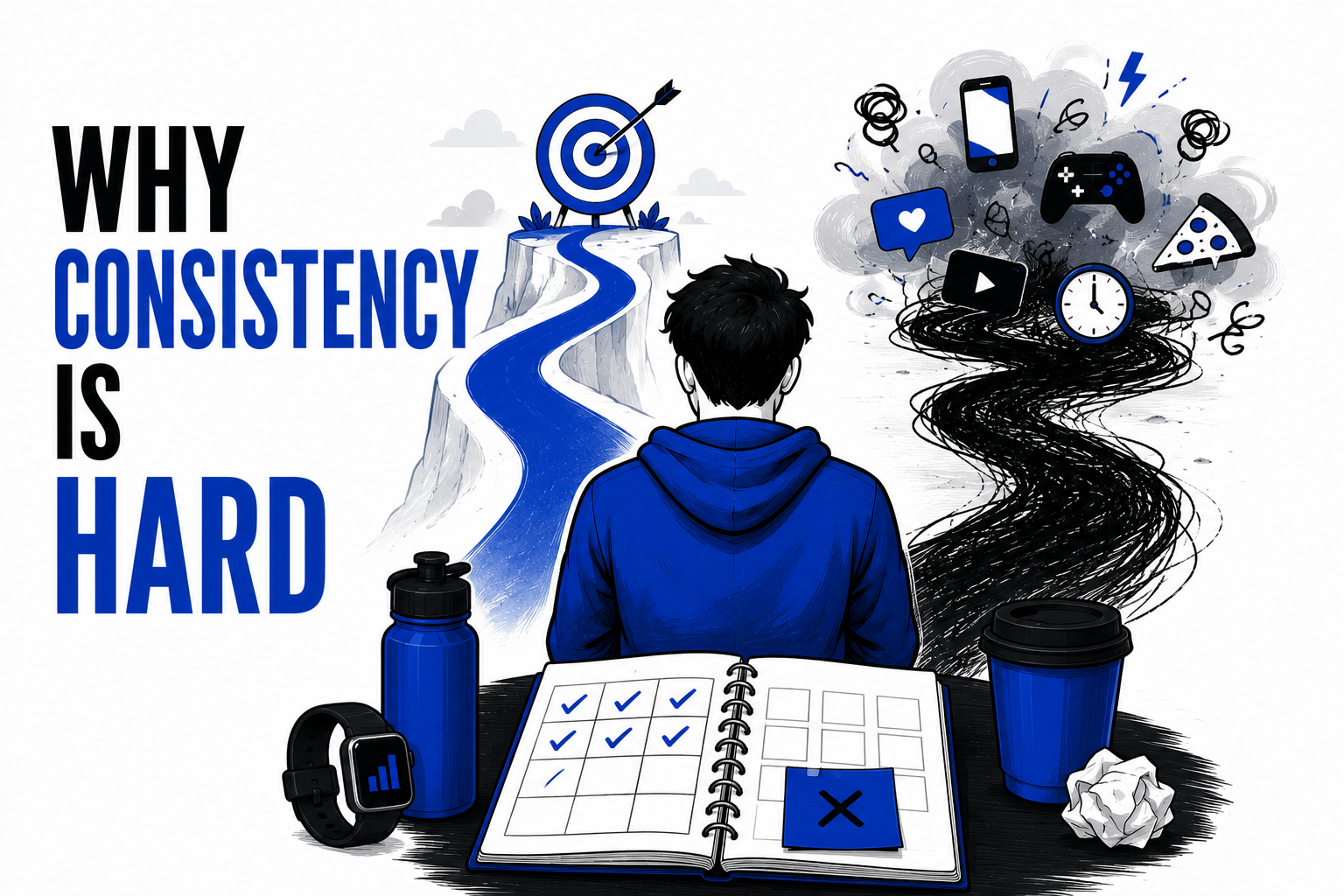
Once this loop is repeated many times, the brain begins responding automatically before conscious reasoning has time to intervene the same automation that makes consistency so hard to build in the opposite direction, toward healthy habits.
This explains why people sometimes open the refrigerator without realising they are doing so.
The decision was shaped by habit long before conscious thought became involved.
Emotional Regulation Is Often The Missing Skill
One of the deepest causes of emotional eating is difficulty managing emotions directly.
Many people were never taught healthy methods for processing stress, disappointment, anxiety or loneliness.
Instead, they gradually developed behaviours that distracted them from emotional discomfort.
Food happened to be one of the easiest solutions.
Unlike many other coping mechanisms, food is socially accepted, easily available and immediately rewarding.
This makes emotional eating particularly difficult to recognise.
The behaviour feels normal because eating itself is a normal activity.
The difference lies in its purpose.
When food consistently becomes a tool for managing emotions instead of satisfying hunger, the behaviour gradually shifts from nourishment to emotional regulation.
The Environment Constantly Reinforces The Behaviour
Emotional eating does not develop in isolation.
The surrounding environment often strengthens it.
Supermarkets display highly processed foods in prominent locations.
Advertising links food with comfort, celebration and relaxation.
Films, television and social media frequently portray eating as a solution to stress or sadness.
These repeated messages shape expectations.
The brain begins associating emotional comfort with specific foods long before genuine hunger appears.
This environmental reinforcement makes emotional eating feel natural, even though the underlying behaviour is largely learned rather than instinctive.
Warning Signs
Emotional eating rarely begins as an obvious problem. It develops gradually through repeated behavioural patterns that become increasingly automatic.
One of the earliest warning signs is eating without physical hunger. The desire to eat appears suddenly after a stressful meeting, an argument or an emotionally demanding situation. The craving is usually specific. Instead of wanting any food, the person craves chocolate, crisps, pizza, pastries or other highly rewarding foods.
Another warning sign is using food to change emotions rather than satisfy hunger. Food becomes a way to reduce anxiety, escape boredom, manage loneliness or celebrate achievements. Over time, emotions begin triggering cravings more consistently than genuine hunger signals.
Eating quickly and mindlessly is another indicator. Many people finish meals without remembering the experience because their attention is focused on emotional relief rather than the act of eating itself.
Feelings of guilt after eating also deserve attention. The emotional discomfort that triggered the behaviour often returns once the temporary pleasure disappears. This creates another emotional problem that increases the likelihood of repeating the same behaviour later.
Perhaps the strongest warning sign is believing that food is the only reliable source of comfort during difficult moments. When this belief becomes deeply rooted, emotional eating transforms from an occasional habit into a learned coping strategy.
These warning signs are often ignored because the behaviour provides immediate emotional relief. The long term consequences develop slowly, making it difficult to connect present choices with future outcomes.
What Could Have Prevented It?
Preventing emotional eating does not begin with stricter diets or stronger willpower.
It begins with understanding the emotional needs that food has been asked to satisfy.
Developing emotional awareness is one of the most effective preventive strategies. People who learn to recognise stress, anxiety, boredom or loneliness before reaching for food create an opportunity to respond intentionally rather than automatically.
Improving emotional regulation is equally important. Healthy coping behaviours such as walking, journalling, meditation, meaningful conversation or creative activities provide alternative ways to process emotional discomfort without relying on food as the primary solution.
Better sleep also plays an important role. Sleep deprivation disrupts hormones that regulate hunger and satiety while increasing cravings for highly processed foods. Improving sleep quality strengthens both emotional resilience and decision making.
Creating supportive food environments can reduce unnecessary temptation. Keeping nutritious food easily available while limiting constant exposure to highly processed snacks decreases the number of automatic decisions people make each day.
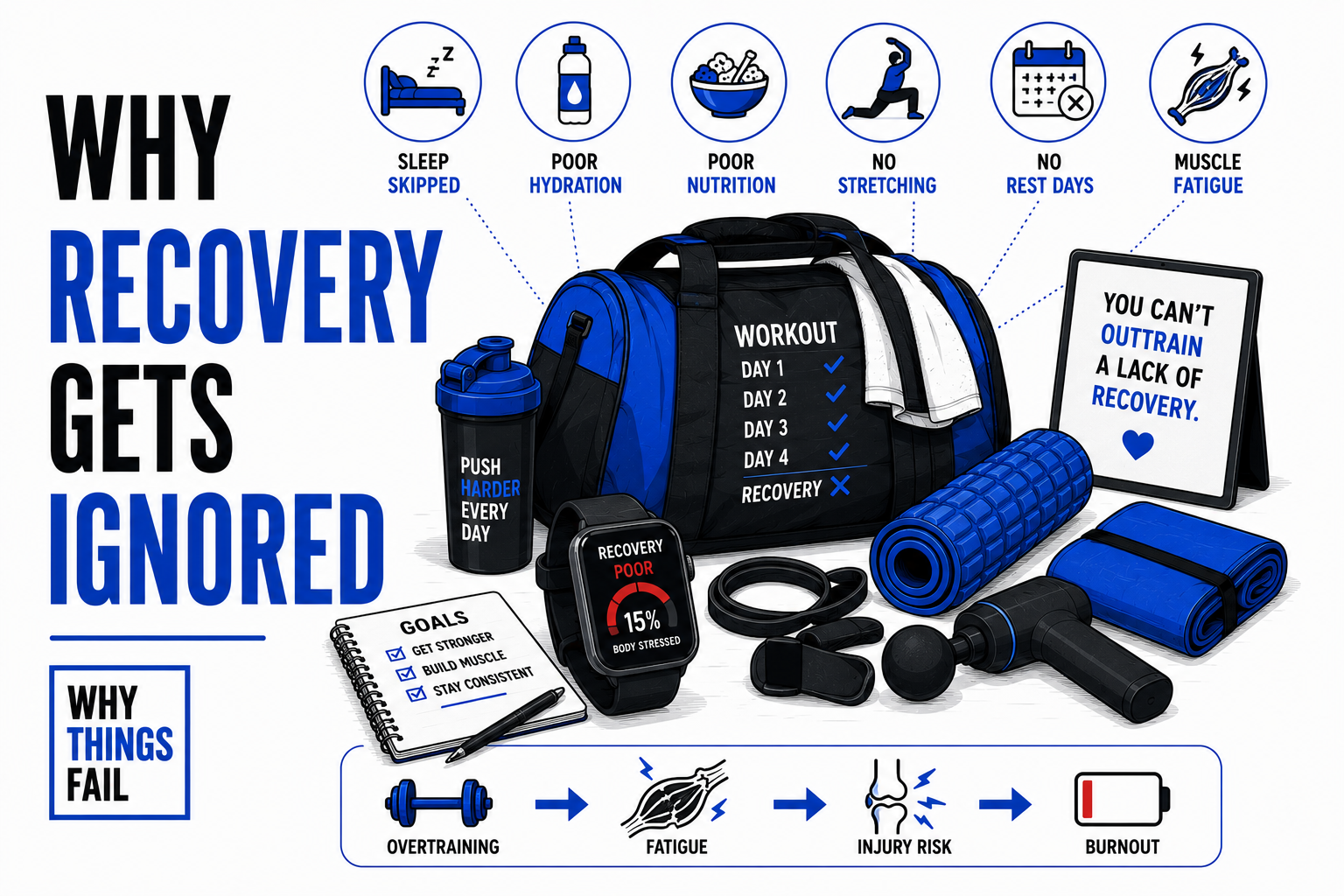
Most importantly, replacing self criticism with curiosity allows people to understand the behaviour instead of simply judging it the same shift that helps explain why recovery gets ignored after any kind of setback.
Lessons
Emotional eating teaches an important lesson about human behaviour.
People rarely make decisions based on logic alone. Emotions, habits and environmental influences shape choices long before conscious reasoning becomes involved.
Another lesson is that behaviour cannot be changed by focusing only on outcomes. Attempting to stop emotional eating without understanding its emotional purpose usually produces frustration rather than lasting improvement.
The article also highlights the importance of systems over motivation. Healthy routines, supportive environments and effective emotional regulation create conditions where better decisions become easier rather than requiring constant self control.
Perhaps the deepest lesson is that lasting behavioural change begins with understanding the cause rather than fighting the symptom. Food is often the visible behaviour. The underlying emotional need is the real issue that requires attention.
Failure Pattern
The dominant pattern behind emotional eating is Emotional Decision Making reinforced by Habit Formation and Short Term Reward Seeking.
Stress creates emotional discomfort.
The brain searches for immediate relief.
Highly rewarding foods provide temporary comfort.
The emotional relief reinforces the behaviour.
The behaviour gradually becomes automatic.
This cycle repeats because the reward is immediate while the negative consequences appear much later. Human psychology naturally gives greater importance to immediate relief than future wellbeing.
The same behavioural pattern appears in overspending, excessive social media use, gambling and many other habits driven by short term emotional rewards.
Hidden Lesson
The greatest misunderstanding about emotional eating is believing that the problem begins with food.
It does not.
Food is often the final step in a much longer psychological process.
The deeper issue is that the brain has learned to associate emotional relief with eating. Until that association is understood, changing diets alone rarely produces lasting results.
Emotional eating is therefore less about appetite and more about emotional adaptation.
Failure Scorecard
| Area | Score | Explanation |
| Emotional Control | 3/10 | Emotions frequently influence eating decisions more than physical hunger. |
| Decision Making | 4/10 | Immediate emotional relief often outweighs rational long term thinking. |
| Self Awareness | 5/10 | Many people recognise the behaviour but not the emotional triggers behind it. |
| Long Term Thinking | 4/10 | Future health consequences are often overlooked during emotional distress. |
| Behavioural Understanding | 5/10 | Awareness of emotional eating is increasing, but the psychological causes remain widely misunderstood. |
| Planning | 5/10 | Few people prepare alternative coping strategies before emotional triggers appear. |
| Adaptability | 6/10 | Individuals who identify triggers can gradually replace unhealthy habits with healthier responses. |
| Habit Management | 4/10 | Strong habit loops make behavioural change difficult without intentional intervention. |
Key Takeaways
- Emotional eating is driven more by emotions than physical hunger.
- Stress, anxiety and loneliness commonly activate food cravings.
- The brain values immediate emotional relief over future health.
- Habit formation makes emotional eating increasingly automatic.
- Highly processed foods strongly stimulate the brain’s reward system.
- Self criticism rarely solves emotional eating because it ignores the underlying cause.
- Emotional awareness is often more effective than relying on willpower.
- Lasting behavioural change begins by understanding emotional triggers rather than focusing only on food.
Frequently Asked Questions
Why does emotional eating happen?
Emotional eating happens because the brain learns to associate food with emotional comfort. Stress, anxiety, boredom and sadness activate reward pathways that encourage eating even when physical hunger is absent.
Is emotional eating caused by a lack of willpower?
No. Emotional eating is influenced by behavioural psychology, habit formation, brain chemistry and emotional regulation. Willpower alone rarely addresses these deeper causes.
Why do people crave sugary foods when stressed?
Stress increases cortisol levels, which can increase cravings for foods that provide rapid pleasure and temporary emotional relief. Sugary and high fat foods stimulate dopamine, making them especially appealing during emotional distress.
Can emotional eating become a habit?
Yes. Repeatedly using food to manage emotions strengthens neural pathways until eating becomes an automatic response to emotional triggers rather than conscious hunger.
What is the difference between hunger and emotional eating?
Physical hunger develops gradually and can usually be satisfied with a variety of foods. Emotional eating appears suddenly, is often linked to specific comfort foods and is triggered by emotions rather than the body’s need for energy.
Conclusion
Emotional eating is not simply a nutritional issue. It is a behavioural pattern shaped by psychology, brain biology, habits and the modern environment. Food becomes the visible response to emotional needs that often remain hidden beneath the surface.
Understanding why emotional eating happens changes the conversation from blaming individual choices to recognising the systems that shape them. Lasting change becomes possible only when the emotional causes receive as much attention as the food itself.