Introduction
Few experiences are as frustrating as watching the numbers on the scale stop moving after weeks or months of steady progress.
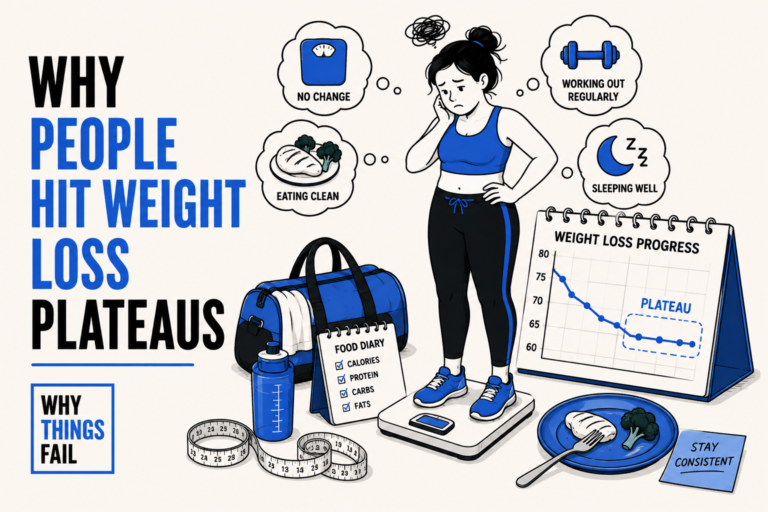
At first, everything appears to be working. Body weight decreases, clothes fit more comfortably and motivation remains high. Then, without warning, progress slows or stops altogether. Many people assume they are doing something wrong, while others believe their body has simply decided it cannot lose any more weight.
This moment is commonly known as a weight loss plateau. It affects beginners, experienced dieters and even professional athletes. Despite following similar eating habits and exercise routines, many people find themselves unable to continue losing weight.
Why does this happen?
The obvious explanation is that the body adapts over time. While this is partly true, it does not explain why some people overcome plateaus while others remain stuck for months or even years.
The deeper explanation lies in the interaction between human biology, psychology and behaviour. Weight loss is not simply a mathematical equation of calories consumed and calories burned. It is a complex system influenced by metabolism, hormones, habits, stress, sleep, expectations and decision making.
Understanding why people hit weight loss plateaus is not about finding another diet. It is about understanding the hidden processes that gradually slow progress long before the scale reveals the problem.
What Is a Weight Loss Plateau?
A weight loss plateau is a period during which body weight remains relatively stable despite continuing efforts to lose fat through diet, physical activity or lifestyle changes.
Many people interpret this as evidence that their diet has stopped working.
In reality, a plateau is usually a sign that the body has adjusted to a new set of conditions.
During the early stages of weight loss, larger energy deficits often produce noticeable changes. As body weight decreases, however, the body requires fewer calories to maintain itself. The same eating habits that once created consistent fat loss may eventually produce only maintenance.
This does not mean fat loss has become impossible.
It means the relationship between energy intake, energy expenditure and human behaviour has changed.
Understanding this distinction is essential because many people respond to plateaus by making decisions that ultimately reduce their chances of long term success.
The Biggest Myth
The most common belief is simple.
A weight loss plateau means your metabolism is broken.
This explanation is appealing because it removes responsibility from the individual and places the blame entirely on biology.
The evidence tells a more balanced story.
Metabolic adaptation does occur. As body weight decreases, resting energy expenditure also declines because a smaller body requires less energy to function. Hormones involved in appetite and energy balance may also change, making hunger more noticeable and reducing feelings of fullness.
However, metabolism alone rarely explains prolonged plateaus.
Research consistently shows that behavioural adaptation often occurs alongside biological adaptation.
People gradually underestimate portion sizes.
Small snacks become more frequent.
Exercise intensity declines without conscious awareness.
Daily movement decreases because a lighter body requires less effort to perform ordinary activities.
Each individual change appears insignificant.
Together they create an energy balance that slows or completely stops further weight loss.
The plateau is therefore not simply a metabolic event.
It is the result of biological and behavioural systems adapting at the same time.
What Usually Happens?
Most weight loss journeys follow a familiar pattern.
A new eating plan creates enthusiasm.
Motivation is high.
Meals are planned carefully.
Exercise becomes a regular habit.
The body responds quickly during the first several weeks.
Visible progress reinforces confidence.
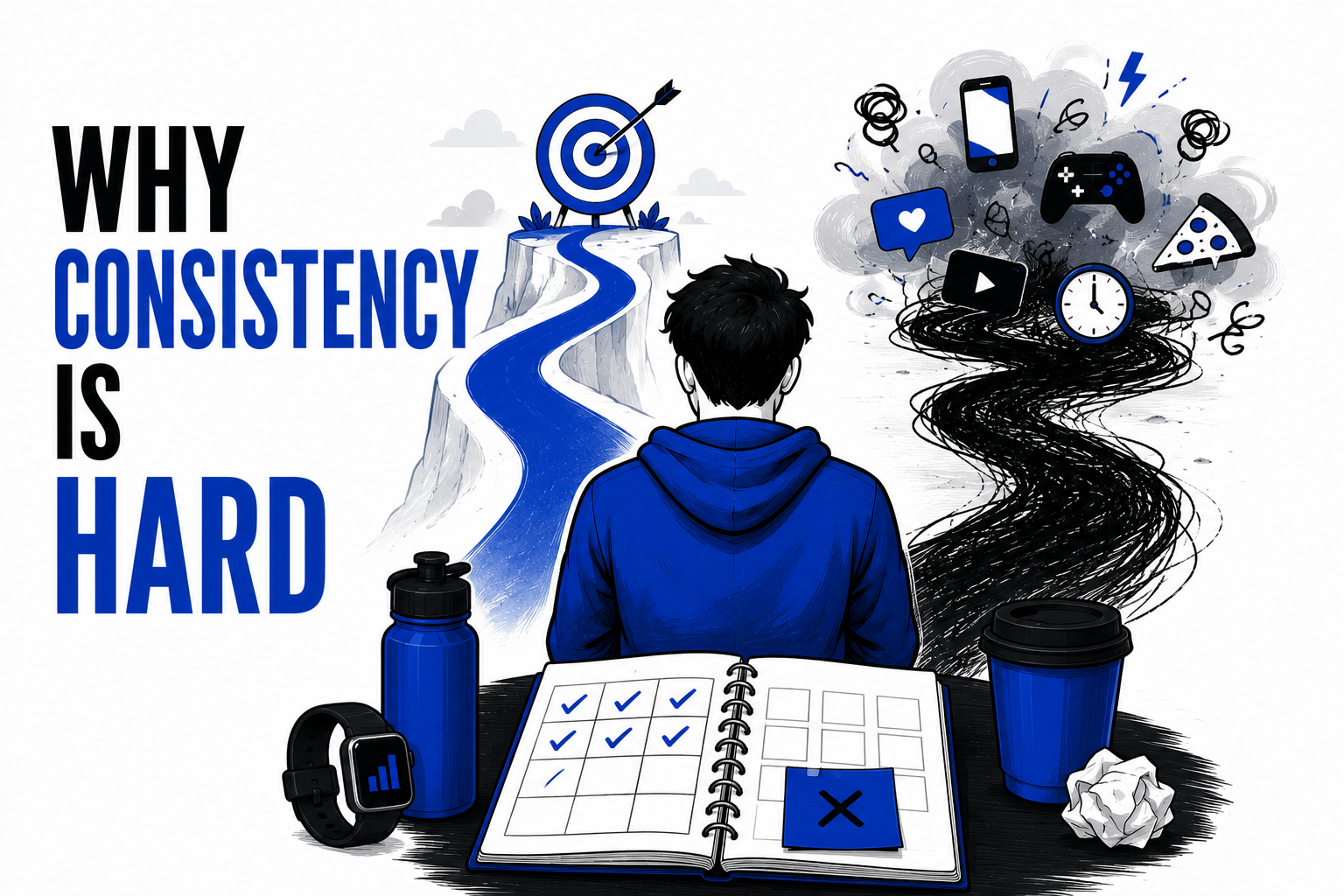
Over time, however, enthusiasm gradually becomes routine.
Food choices become less precise.
Physical activity becomes less consistent.
Small indulgences appear more often because previous success creates confidence.
Meanwhile, the body adapts to carrying less weight and burning fewer calories.
Progress slows.
The scale stops moving.
Many people assume they have failed.
Some abandon healthy habits entirely.
Others adopt increasingly restrictive diets or excessive exercise routines that prove difficult to sustain.
Although the circumstances differ, the pattern remains remarkably consistent.
The plateau is rarely created by one dramatic mistake.
It usually develops through many small adjustments that accumulate over time.
Why Do People Hit Weight Loss Plateaus?
Understanding a weight loss plateau requires looking beyond calories alone.
The body is not designed to lose weight indefinitely without resistance.
From an evolutionary perspective, conserving energy during periods of reduced food intake increased the likelihood of survival. Modern weight loss programmes unintentionally activate many of these protective mechanisms.
The result is a complex interaction between biology, psychology and behaviour.
Metabolic Adaptation Reduces Energy Expenditure
One of the most significant changes during weight loss is metabolic adaptation.
As body weight decreases, the body naturally burns fewer calories both at rest and during physical activity.
A person who once required 2,500 calories each day may require considerably less after losing a significant amount of weight.
This reduction is not evidence that the metabolism has stopped working.
It is evidence that the body has become more efficient.
The same calorie intake that previously produced steady fat loss gradually becomes enough to maintain the new body weight.
Without recognising this adjustment, many people believe they are still creating the same calorie deficit when, in reality, that deficit has become much smaller.
The Brain Prioritises Survival Over Weight Loss
Weight loss is not controlled by willpower alone.
The brain constantly monitors energy availability through hormones such as leptin and ghrelin.
As body fat decreases, signals that regulate hunger and fullness begin to change.
Hunger often increases.
Feelings of satisfaction after eating become weaker.
Food becomes more rewarding.
These biological responses are not signs of failure.
They represent the body’s attempt to protect existing energy stores.
The challenge is that modern environments provide constant access to highly palatable foods, making these natural survival mechanisms much harder to manage than they were throughout human history.
Behaviour Changes Without People Realising
Perhaps the most overlooked reason people hit weight loss plateaus is unconscious behavioural adaptation.
During the beginning of a weight loss journey, every meal receives careful attention.
Every workout feels purposeful.
Every calorie matters.
As routines become familiar, attention gradually declines.
Cooking oil is measured less accurately.
Portion sizes become estimates rather than precise servings.
Weekend meals become more relaxed.
Small treats become daily habits.
Individually these behaviours appear harmless.
Collectively they can eliminate the calorie deficit responsible for earlier progress.
This explains why many people genuinely believe they are following the same plan even though their behaviour has gradually changed.
Success Can Reduce Discipline
One of the most interesting findings from behavioural psychology is that success often changes future behaviour.
Early weight loss creates confidence.
Confidence encourages flexibility.
People begin believing they have earned additional treats or occasional exceptions.
One missed workout becomes acceptable.
One larger meal appears insignificant.
Over time these exceptions become routine.
Behavioural economists describe this as a reward based decision process.
Success creates permission for behaviours that slowly reduce future success.
The plateau therefore becomes partly psychological rather than purely biological.
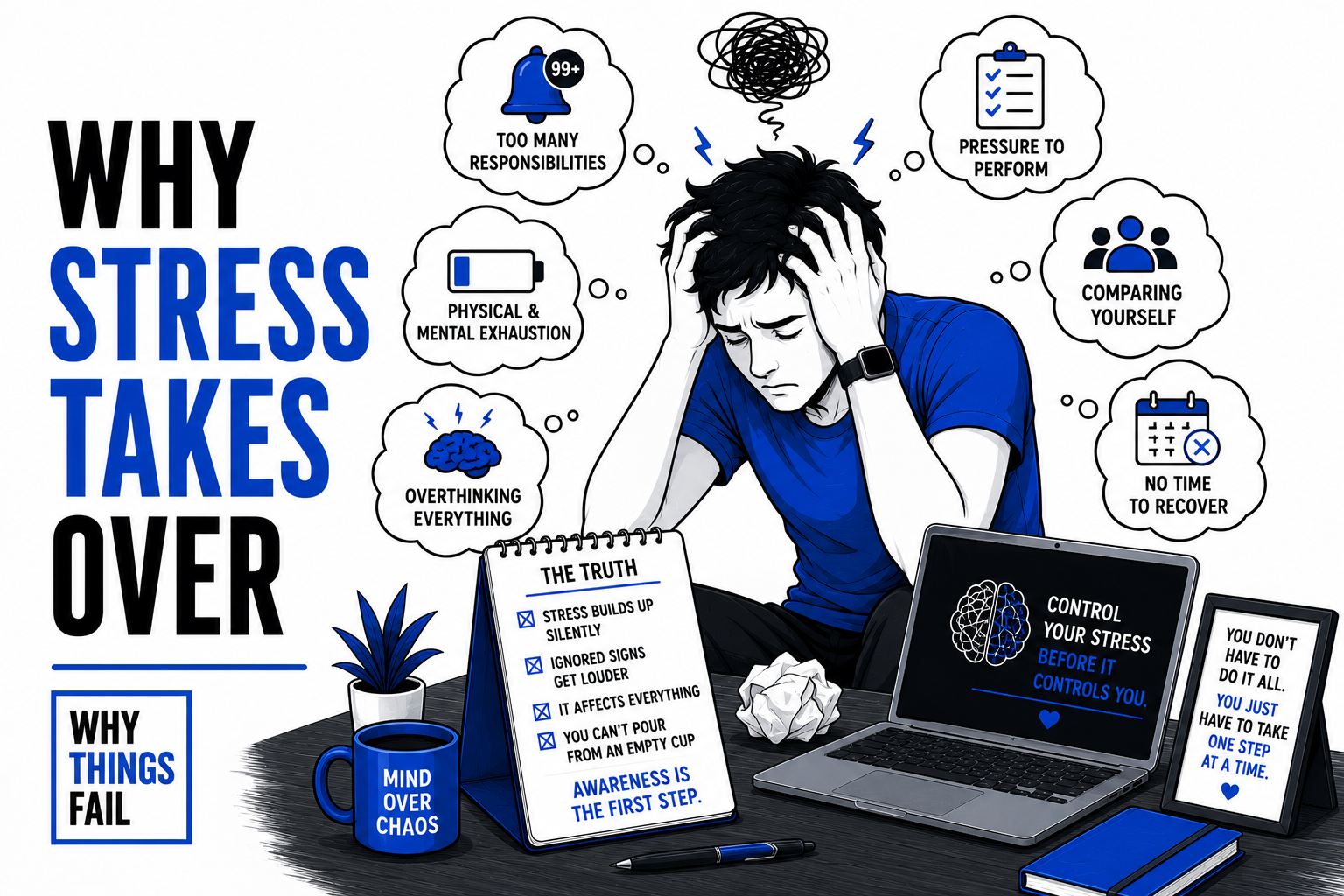
Stress Quietly Changes Eating Behaviour
Stress is another powerful contributor that many people underestimate.
Chronic stress influences hormones involved in appetite regulation while also reducing decision quality.
People under prolonged stress are more likely to choose convenient foods, snack more frequently and exercise less consistently.
Poor sleep often amplifies these effects.
Sleep deprivation increases hunger, reduces self control and makes energy dense foods appear more rewarding.
The result is not simply increased calorie intake.
It is reduced ability to make thoughtful decisions throughout the day.
Weight loss therefore slows not because motivation disappears but because physical and psychological stress gradually reshape everyday behaviour.
Expectations Create Frustration
Many people expect weight loss to continue at the same pace from beginning to end.
This expectation is rarely realistic.
The body does not respond in a straight line.
Progress naturally slows as body composition changes.
When expectations remain fixed while biological reality changes, frustration develops.
Some people respond by adopting extremely restrictive diets.
Others increase exercise beyond sustainable levels.
Many abandon their programme entirely because they mistake slower progress for complete failure.
The plateau itself is often less damaging than the decisions people make in response to it.
These responses transform a temporary slowdown into a permanent interruption of progress.
Warning Signs
Weight loss plateaus rarely appear without warning. The challenge is that most people recognise the signs only after progress has already stopped.
One of the earliest indicators is declining consistency. Meals become less structured, portion sizes become estimates and food tracking becomes less accurate. These changes feel insignificant because they happen gradually rather than all at once.
Another warning sign is relying on the weighing scale alone. When body weight becomes the only measure of success, people often overlook improvements in body composition, strength, fitness and overall health. Temporary water retention caused by sodium intake, hormonal changes or intense exercise can hide genuine fat loss, leading people to believe nothing is working.
Reduced daily movement is another overlooked factor. As body weight decreases, the body naturally becomes more energy efficient. Many people unknowingly walk less, stand less and perform fewer spontaneous movements throughout the day. This reduction in non exercise activity lowers total daily energy expenditure without conscious awareness.
Emotional eating is another warning sign. Stress, boredom, frustration and disappointment often increase food intake without creating physical hunger. Because these eating occasions are driven by emotion rather than appetite, they are frequently forgotten or underestimated.
Perhaps the most important warning sign is believing that a plateau means failure. This belief encourages drastic decisions that often make long term success less likely.
What Could Have Prevented It?
Most weight loss plateaus cannot be prevented completely because biological adaptation is a normal part of losing weight. What can be prevented is allowing a temporary plateau to become a permanent obstacle.
The first step is recognising that successful weight management requires continuous adjustment rather than repeating exactly the same routine. As body weight changes, calorie requirements, physical activity and nutritional needs also change. Periodic reassessment helps maintain an appropriate energy balance.
Monitoring habits instead of relying solely on motivation is equally important. People who establish consistent meal planning, regular physical activity and realistic portion control create systems that remain effective even when motivation naturally fluctuates.
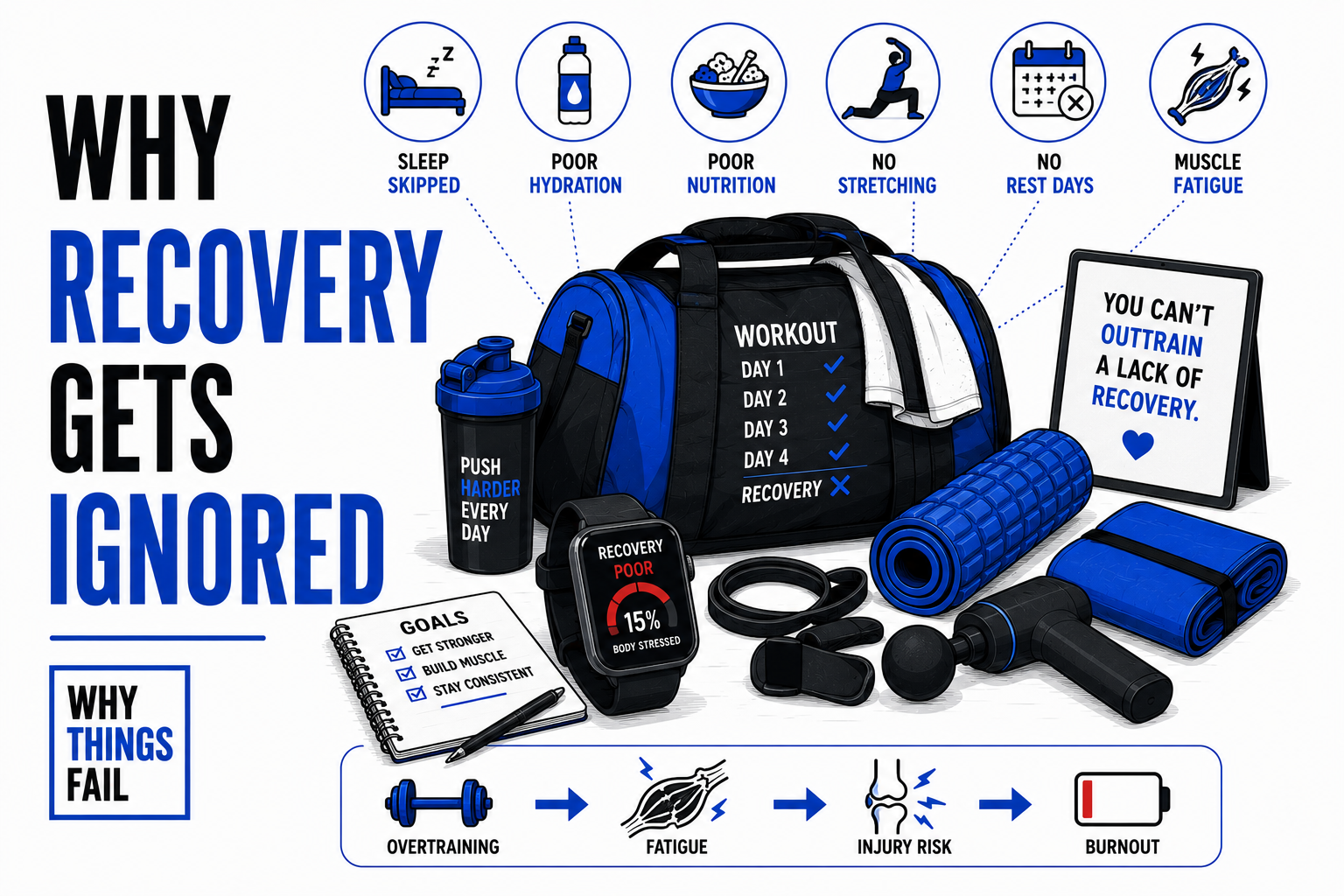
Strength training also plays an important role by helping preserve lean muscle mass during weight loss. Maintaining muscle supports metabolic health and contributes to higher daily energy expenditure compared with losing both fat and muscle together.
Sleep and stress management deserve equal attention. Chronic stress and inadequate sleep influence appetite regulation, food choices and decision making. Improving recovery often supports better nutritional choices without requiring additional restriction.
Most importantly, expectations should reflect biological reality. Weight loss is rarely linear. Temporary pauses are normal within a long term process. Understanding this reduces frustration and prevents unnecessary changes that interrupt sustainable progress.
Lessons
Weight loss plateaus reveal broader lessons about human behaviour that extend beyond nutrition and fitness.
The first lesson is that early success does not guarantee continued progress. Every successful system eventually requires adjustment because people and circumstances constantly change.
The second lesson is that consistency is usually more valuable than intensity. Extreme diets and demanding exercise programmes often produce rapid early results but become increasingly difficult to sustain over time. Sustainable habits create more durable outcomes than temporary effort.
Another lesson is that biology and behaviour constantly influence each other. The body adapts to weight loss through changes in metabolism and appetite, while the mind adapts through changing habits, expectations and emotional responses. Lasting progress requires understanding both systems rather than focusing on only one.
Perhaps the most important lesson is that plateaus are not evidence of failure. They are evidence that the body has adapted, requiring thoughtful adjustments instead of emotional reactions.
Failure Pattern
The dominant pattern behind weight loss plateaus is Short Term Thinking combined with Emotional Decision Making.
Many people begin with realistic habits but gradually replace consistency with convenience once early progress appears. Small behavioural changes accumulate until the calorie deficit disappears.
When the plateau eventually arrives, frustration often replaces patience. Some individuals adopt increasingly restrictive diets, while others abandon healthy routines entirely because they expect continuous progress.
This pattern extends beyond weight management. Businesses stop innovating after early success. Investors increase risk after profitable periods. Entrepreneurs ignore changing conditions because previous strategies worked well in the past.
In every case, success creates confidence, confidence reduces attention and reduced attention allows small problems to become significant obstacles.
Hidden Lesson
The greatest obstacle to continued weight loss is rarely a slow metabolism.
It is assuming that yesterday’s habits will continue producing tomorrow’s results.
Human biology is designed to adapt. Successful weight management therefore depends on adapting behaviours just as consistently as the body adapts physiologically.
The deeper truth is that plateaus are not signs that progress has stopped. They are signals that the current system has reached its limit and requires thoughtful refinement rather than greater force.
Failure Scorecard
| Area | Score | Explanation |
| Nutritional Discipline | 6/10 | Healthy habits often weaken gradually as confidence increases. |
| Decision Making | 5/10 | Frustration frequently leads to emotional food choices and unrealistic dietary changes. |
| Long Term Thinking | 5/10 | Many people expect rapid results instead of recognising gradual biological adaptation. |
| Knowledge | 6/10 | Basic nutritional knowledge is common, but understanding of metabolic adaptation is often limited. |
| Emotional Control | 5/10 | Stress and disappointment frequently influence eating behaviour more than physical hunger. |
| Planning | 6/10 | Meal preparation and activity planning often become less consistent over time. |
| Adaptability | 4/10 | Many people continue using the same strategy despite changing physiological needs. |
| Lifestyle Consistency | 5/10 | Small daily compromises gradually reduce overall effectiveness. |
Key Takeaways
- Weight loss plateaus are a normal biological response rather than evidence of failure.
- Metabolic adaptation and behavioural adaptation occur at the same time.
- Small unnoticed changes in eating habits often remove the calorie deficit.
- Stress and poor sleep influence appetite and food choices more than many people realise.
- Success can reduce discipline by encouraging greater flexibility.
- Sustainable habits outperform extreme dieting over the long term.
- Progress should be measured through multiple indicators rather than body weight alone.
- Long term success depends on adapting strategies as the body changes.
Frequently Asked Questions
Why do people hit weight loss plateaus?
Weight loss plateaus occur because the body requires fewer calories after losing weight while behaviours gradually change over time. Metabolic adaptation, reduced daily movement and small dietary changes often combine to slow progress.
How long does a weight loss plateau usually last?
A plateau may last from several weeks to a few months depending on lifestyle, calorie intake, physical activity and individual physiology. The duration often depends on whether behavioural adjustments are made.
Does a weight loss plateau mean fat loss has stopped?
Not always. Temporary water retention, hormonal changes and increased muscle mass can hide ongoing fat loss. Looking only at body weight may not provide a complete picture of progress.
Can exercise alone overcome a plateau?
Exercise can help, but increasing activity without addressing nutrition, recovery and daily habits is often insufficient. Sustainable progress usually requires adjustments across several areas rather than focusing on one solution.
Is a slow metabolism the main reason for a plateau?
Metabolic adaptation contributes to plateaus, but behavioural factors such as portion sizes, reduced movement, inconsistent eating habits and emotional decision making are often equally important.
Conclusion
Weight loss plateaus are not random setbacks. They are predictable outcomes created by the interaction between human biology, psychology and everyday behaviour. The body adapts to change, while habits gradually evolve in ways that often go unnoticed.
Understanding this changes the meaning of a plateau. It is no longer viewed as proof that weight loss has failed, but as evidence that successful long term change requires continuous adaptation. Progress slows not because the body refuses to change, but because lasting transformation depends on recognising that every successful system eventually needs to evolve.