Introduction
Many people enter a second marriage believing they are better prepared than they were the first time. They have more life experience, a clearer understanding of relationships and a stronger sense of what they want in a partner. On the surface, this should increase the likelihood of lasting success.
Yet research and family law statistics in many countries suggest that second marriages often end in divorce at rates equal to or higher than first marriages.
This contradiction raises an important question.
Why do people who have already experienced the pain of one failed marriage often experience another?
The common explanation is that they simply chose the wrong partner again.
The reality is far more complex.
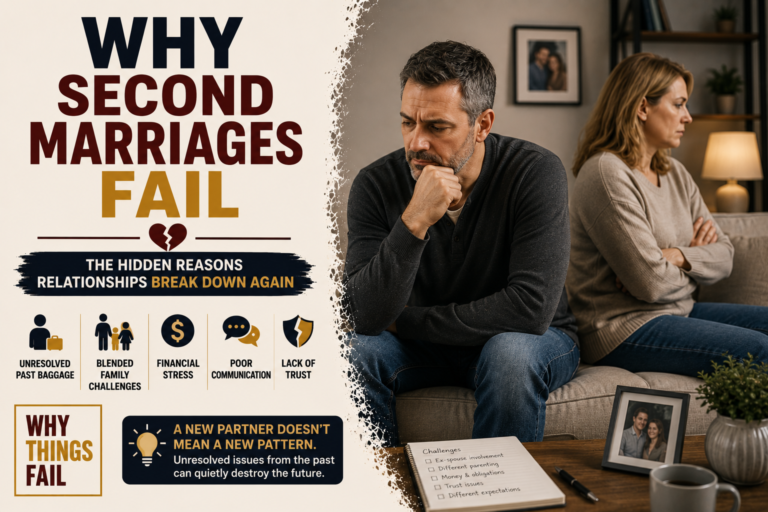
A second marriage is rarely built on a completely new foundation. It is often built on the emotional experiences, unresolved conflicts, financial responsibilities and family dynamics left behind by the first marriage. These factors quietly shape expectations, communication and decision making long before obvious relationship problems appear.
Understanding why second marriages fail is therefore not about assigning blame.
It is about understanding how human behaviour, emotional patterns and relationship systems interact to make repeated failure surprisingly predictable.
What Is a Second Marriage Failure?
A second marriage fails when the relationship gradually loses the trust, communication, emotional safety and shared commitment needed for long term stability.
The legal divorce is only the final outcome.
The real failure usually begins much earlier through repeated misunderstandings, unresolved emotional wounds and decisions that slowly weaken the relationship.
Unlike first marriages, second marriages often involve additional complexities.
Children from previous relationships.
Former spouses.
Financial obligations.
Different parenting styles.
Conflicting family traditions.
These factors do not automatically cause divorce.
However, they create a more complicated relationship environment where emotional and practical decisions carry greater consequences.
The success of a second marriage therefore depends not only on compatibility between two people but also on how effectively they manage the systems surrounding their relationship.
The Biggest Myth
The most common belief is simple.
Second marriages fail because people choose another unsuitable partner.
Partner selection certainly matters.
However, this explanation overlooks the behavioural and psychological patterns that often remain unchanged after the first marriage ends.
Many individuals believe that changing partners automatically changes relationship outcomes.
In reality, people often carry the same communication habits, emotional reactions and conflict management styles into the next relationship.
Without recognising these patterns, the circumstances may change while the underlying behaviours remain remarkably similar.
The second marriage then encounters many of the same difficulties, even though the people involved are different.
The issue is often less about finding the perfect partner and more about understanding the emotional patterns that continue influencing decisions.
What Usually Happens?
Most second marriages begin with optimism.
Both partners believe previous relationship experiences have made them wiser and more emotionally mature.
During the early stages, differences are often overlooked because the relationship feels like a fresh beginning.
Over time, practical realities emerge.
Financial responsibilities become clearer.
Parenting disagreements appear.
Relationships with former spouses continue affecting daily life.
Children struggle to adapt to changing family structures.
Small misunderstandings become recurring sources of tension.
Instead of addressing these challenges early, many couples assume they will resolve themselves naturally.
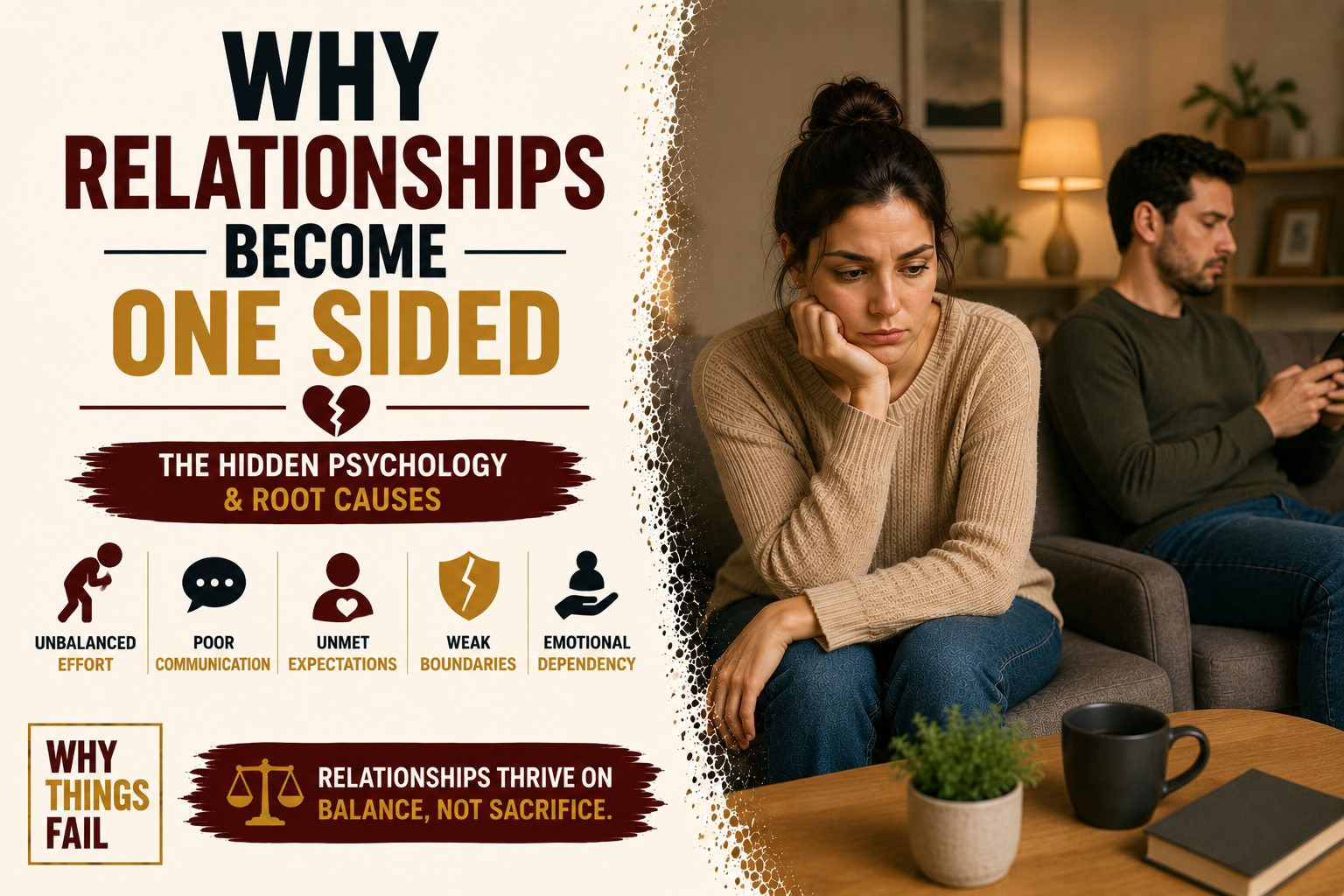
As emotional distance gradually increases, communication becomes more defensive and trust begins to weaken.
The divorce itself is rarely caused by one major event.
More often, it reflects years of unresolved emotional and behavioural patterns.
Why Does It Happen?
Understanding why second marriages fail requires looking beyond individual disagreements.
The deeper causes often involve psychology, behaviour and relationship systems that developed long before the second marriage began.
Unresolved Emotional Baggage
The first marriage rarely disappears emotionally when the legal process ends.
Disappointment.
Betrayal.
Resentment.
Guilt.
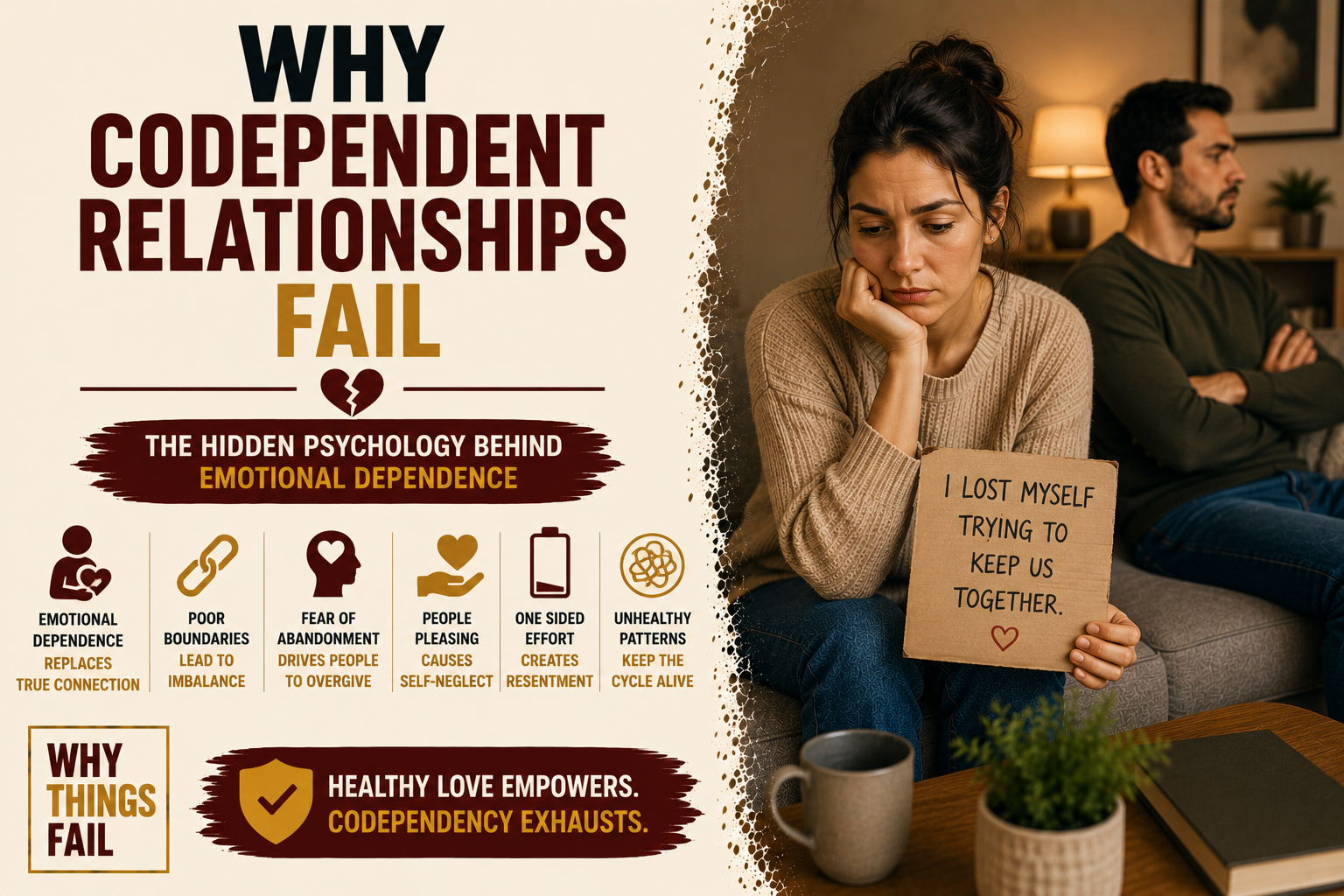
Fear of abandonment.
These experiences often remain beneath the surface.
Many people believe beginning a new relationship automatically heals old emotional wounds.
Instead, unresolved experiences quietly influence trust, communication and expectations.
A harmless disagreement may trigger memories of previous conflicts.
Constructive criticism may be interpreted as rejection.
Small disappointments may feel much larger because they activate emotional experiences carried from the past.
The second marriage therefore becomes affected not only by present circumstances but also by unresolved emotional history.
Unrealistic Expectations
After experiencing one failed marriage, many people expect the second relationship to provide emotional certainty.
They believe previous mistakes will never happen again.
This expectation creates pressure that few relationships can sustain.
When normal disagreements occur, they are often viewed as evidence that history is repeating itself.
Instead of accepting conflict as a natural part of long term relationships, some couples begin questioning the entire marriage.
Behavioural psychologists describe this as expectation bias.
When reality fails to match idealised expectations, disappointment grows even if the relationship remains fundamentally healthy.
Blended Family Challenges
Blending two families involves far more than combining households.
Children may struggle to accept a new parental figure.
Different parenting approaches create conflict.
Family traditions compete for importance.
Former spouses continue influencing schedules, finances and communication.
These challenges create competing incentives.
Parents naturally prioritise their children.
Partners naturally seek emotional closeness.
Balancing both responsibilities requires careful communication and shared expectations.
Without that balance, partners may begin feeling ignored, criticised or unsupported despite acting with good intentions.
Financial Stress Creates Hidden Conflict
Money is one of the most significant sources of disagreement in second marriages.
Unlike many first marriages, financial responsibilities often already exist before the relationship begins.
Child support.
Spousal maintenance.
Existing debts.
Property ownership.
Retirement savings.
Inheritance planning.
These obligations create difficult conversations about fairness, priorities and future planning.
Behavioural economists have shown that financial decisions are rarely based on mathematics alone.
They are influenced by trust, perceived fairness and emotional security.
When couples avoid discussing finances openly, uncertainty gradually replaces confidence.
Financial disagreements then become symbols of deeper concerns about commitment and shared priorities.
Fear Changes Behaviour
Many people enter a second marriage determined not to repeat previous mistakes.
Ironically, this fear sometimes creates new problems.
Some avoid difficult conversations to prevent conflict.
Others become overly cautious about emotional commitment.
Some seek constant reassurance that the relationship remains secure.
Fear encourages protective behaviour.
Protective behaviour often reduces honesty.
Reduced honesty weakens emotional intimacy.
Over time, partners begin responding to imagined future problems instead of present realities.
The relationship becomes shaped by past experiences rather than current circumstances.
Communication Patterns Rarely Change Automatically
Perhaps the most overlooked reason second marriages fail is the assumption that experience alone creates healthier communication.
Experience certainly provides knowledge.
It does not automatically change behaviour.
People who avoided conflict during their first marriage often continue avoiding conflict during their second.
Those who struggled to listen openly may continue defending their own perspective before understanding their partner.
Relationship researchers consistently find that communication habits become deeply established over time.
Without conscious effort to recognise and change these patterns, they continue influencing every important conversation.
As a result, the second marriage often repeats familiar emotional cycles even though the relationship itself is entirely different.
Warning Signs
Second marriages rarely fail without warning. The challenge is that the warning signs often appear ordinary, making them easy to dismiss as temporary relationship difficulties.
One early warning sign is avoiding conversations about the first marriage. Some couples believe discussing previous relationships will create unnecessary tension. In reality, silence often leaves unresolved emotions unexamined. Those emotions eventually influence trust, communication and expectations.
Another warning sign is treating financial matters as separate issues instead of shared responsibilities. Disagreements over spending, savings, child support or inherited assets often reflect deeper concerns about fairness and commitment rather than money itself.
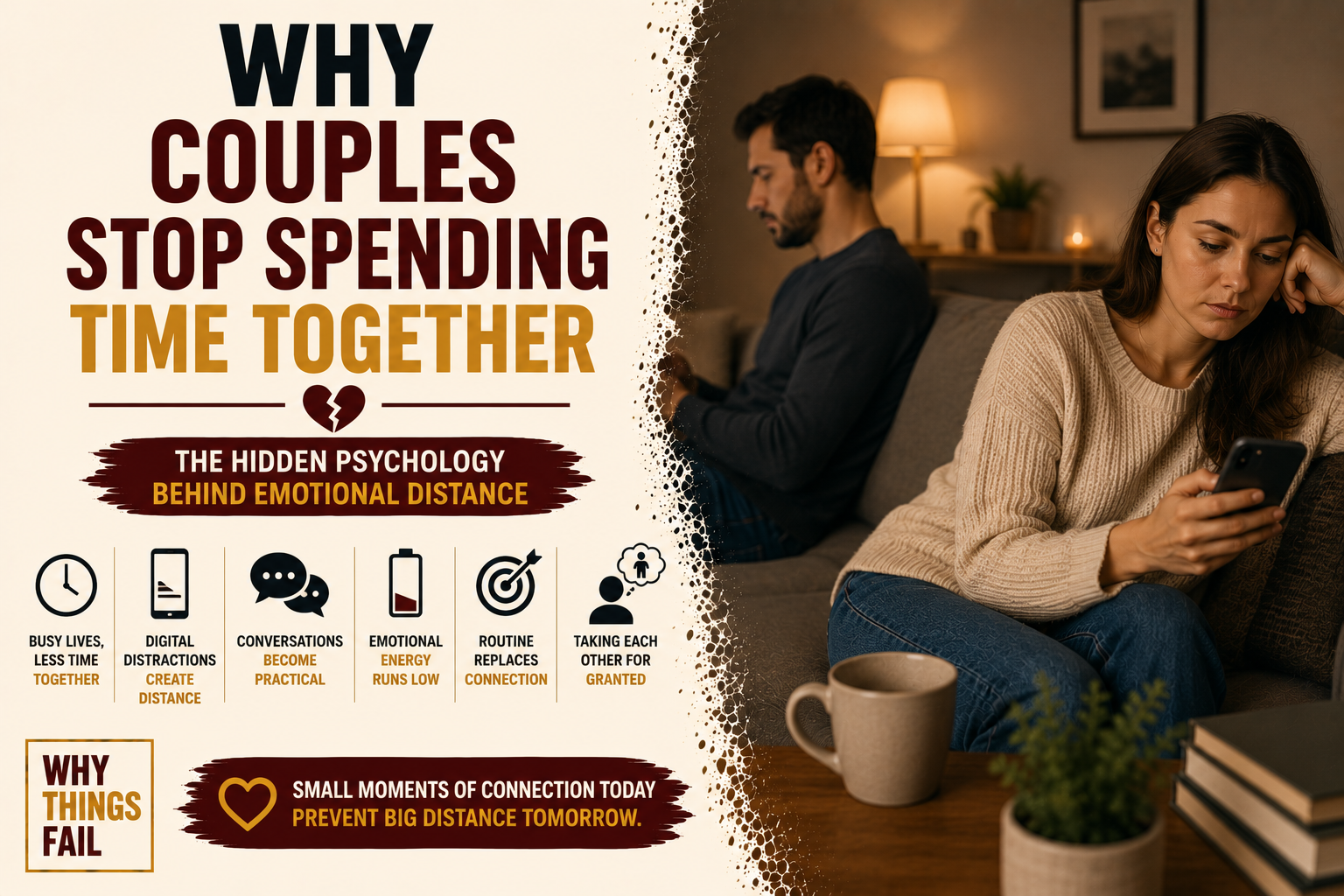
Emotional withdrawal is another important indicator. Partners may continue living together while gradually sharing fewer thoughts, fewer concerns and fewer long term plans. This emotional distance often develops long before either person considers divorce.
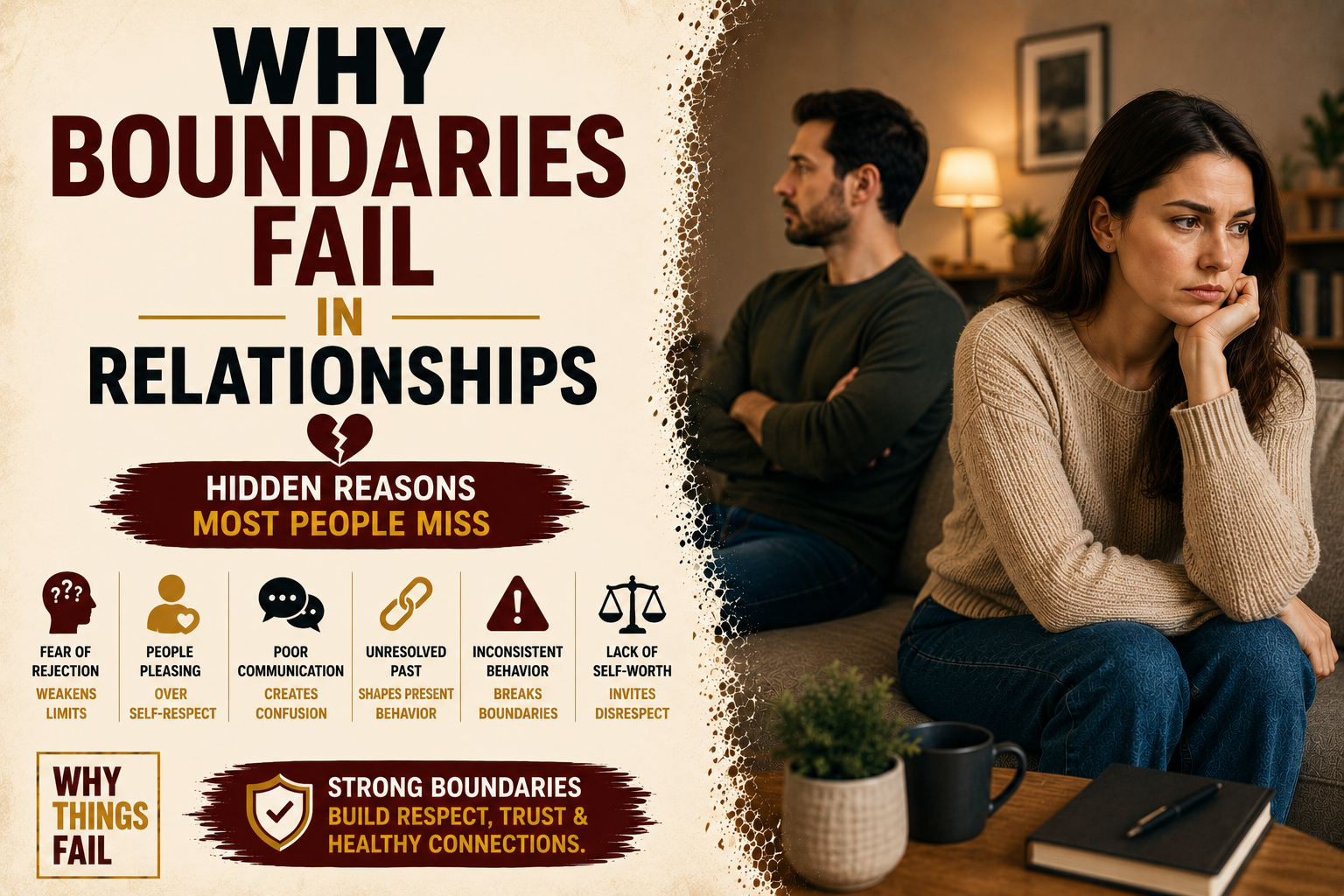
Unclear boundaries with former spouses can also create ongoing conflict. Frequent disagreements about parenting, communication or personal boundaries may gradually weaken trust if both partners do not share the same expectations.
Perhaps the most overlooked warning sign is assuming that love alone will overcome every challenge. Strong relationships require consistent communication, mutual understanding and deliberate problem solving. When these habits weaken, emotional connection slowly begins to fade.
Many couples ignore these warning signs because daily life remains manageable. The relationship appears stable until years of unresolved tension eventually become impossible to ignore.
What Could Have Prevented It?
Most second marriages cannot be protected by avoiding conflict.
They are strengthened by addressing conflict before it becomes resentment.
One important step is recognising that every previous relationship leaves emotional patterns behind. Couples who openly discuss past experiences often develop greater understanding of each other’s fears, expectations and emotional triggers.
Clear communication about finances is equally important. Honest discussions about income, debt, children, future goals and financial responsibilities reduce uncertainty and build trust before misunderstandings develop.
Blended families also benefit from realistic expectations. Trust between parents, children and stepchildren develops gradually. Attempting to force immediate family unity often creates resistance instead of connection.
Healthy boundaries with former spouses provide another layer of stability. Respectful communication focused on practical responsibilities helps reduce unnecessary emotional tension within the new marriage.
Finally, couples who regularly review their relationship rather than waiting for serious problems tend to identify concerns while they are still manageable. Small conversations held consistently are often more valuable than major conversations held too late.
The objective is not to create a perfect relationship.
It is to create a relationship capable of adapting to inevitable challenges.
Lessons
The reasons second marriages fail reveal lessons that extend beyond marriage itself.
One lesson is that changing circumstances does not automatically change behaviour. New relationships cannot erase old emotional patterns unless those patterns are first recognised and understood.
Another lesson is that experience creates opportunity rather than certainty. People often assume previous mistakes guarantee wiser future decisions. In reality, learning only occurs when past experiences are examined honestly rather than simply remembered.
Communication is another enduring lesson. Most relationships weaken because important conversations are postponed until emotional damage has already accumulated. Honest communication protects relationships more effectively than avoiding uncomfortable subjects.
Perhaps the most significant lesson is that lasting relationships are built through consistent decisions rather than emotional intensity. Trust grows through repeated actions, shared responsibility and mutual respect over time.
Failure Pattern
The dominant pattern behind second marriage failure is Unresolved Emotional Decision Making combined with Poor Communication and Lack of Planning.
Many couples begin the relationship believing previous experience has solved earlier problems. This confidence reduces the urgency to examine emotional baggage, financial expectations and blended family dynamics.
As challenges emerge, unresolved fears influence decision making. Small disagreements become connected to previous disappointments. Defensive communication replaces curiosity. Emotional assumptions replace open discussion.
The same behavioural pattern appears in business partnerships, family relationships and organisational leadership. Past experiences shape present decisions unless they are consciously examined.
The repeated failure is therefore not created by marriage itself.
It is created by repeating familiar emotional responses within new circumstances.
Hidden Lesson
The greatest challenge in a second marriage is rarely loving another person.
It is preventing yesterday’s experiences from quietly controlling today’s relationship.
People often believe divorce ends the emotional influence of a previous marriage.
In reality, unresolved expectations, fears and communication habits frequently continue influencing future relationships unless they are consciously understood.
Second marriages do not simply test compatibility.
They reveal whether emotional growth has genuinely occurred since the first relationship ended.
Failure Scorecard
| Area | Score | Explanation |
| Emotional Awareness | 5/10 | Many couples recognise past pain but underestimate its continuing influence. |
| Decision Making | 6/10 | Important choices are often shaped by previous experiences rather than present realities. |
| Risk Management | 5/10 | Couples frequently underestimate financial and blended family complexities. |
| Long Term Thinking | 6/10 | Immediate happiness sometimes receives greater attention than sustainable relationship planning. |
| Relationship Knowledge | 7/10 | Experience increases awareness, but behavioural change often remains incomplete. |
| Emotional Control | 5/10 | Fear, insecurity and unresolved disappointment frequently influence communication. |
| Planning | 5/10 | Financial expectations, parenting roles and family boundaries are often discussed too late. |
| Adaptability | 7/10 | Successful couples adapt together, while struggling couples remain attached to previous relationship patterns. |
Key Takeaways
- Second marriages often fail because unresolved emotional patterns continue influencing new relationships.
- Experience alone does not guarantee healthier communication.
- Financial expectations should be discussed openly before they become sources of conflict.
- Blended families require patience, realistic expectations and shared parenting decisions.
- Fear of repeating past mistakes can unintentionally create new relationship problems.
- Healthy boundaries with former spouses strengthen trust within the current marriage.
- Lasting relationships depend on consistent communication rather than assumptions.
- Emotional growth matters more than simply finding a different partner.
Frequently Asked Questions
Why do second marriages have a higher divorce rate?
Second marriages often involve additional emotional, financial and family complexities. Unresolved issues from previous relationships, blended family challenges and communication problems increase the likelihood of conflict if they are not addressed early.
What is the biggest reason second marriages fail?
The biggest reason is often unresolved emotional patterns carried from the first marriage. These patterns influence trust, communication and decision making, even when both partners have good intentions.
Do children affect the success of a second marriage?
Children do not cause divorce, but blended family dynamics can create additional responsibilities and emotional challenges. Success depends on communication, patience and clearly defined expectations.
Can second marriages be more successful than first marriages?
Yes. Couples who openly address past experiences, communicate honestly and build shared expectations are often better prepared for long term relationship stability.
How can couples strengthen a second marriage?
Open communication, financial transparency, healthy boundaries, mutual respect and a willingness to examine past emotional patterns all contribute to stronger and more resilient relationships.
Conclusion
Second marriages rarely fail because people stop caring about each other. More often, they fail because unresolved emotional patterns, unspoken expectations and complex family systems quietly influence decisions until trust begins to erode.
Understanding these deeper behavioural and psychological forces changes the way relationship failure is viewed. Divorce becomes less about one defining event and more about recognising that lasting relationships are shaped by the daily decisions, conversations and emotional habits that determine whether the past continues to control the future.