Quick Answer
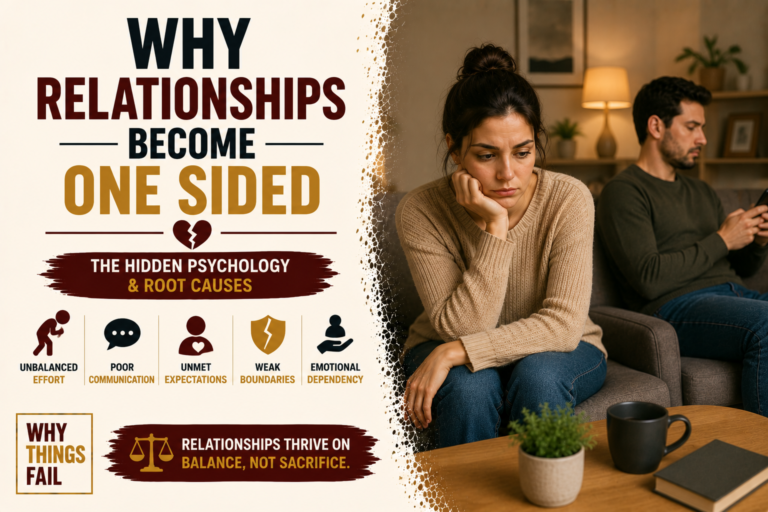
Relationships become one sided when emotional investment, effort, responsibility and commitment gradually become unbalanced. The deeper causes often include poor communication, insecure attachment, unmet expectations, weak boundaries, emotional dependency and behavioural patterns that encourage one person to give while the other simply receives.
Introduction
Healthy relationships rarely fail because of one argument or one disappointing moment.
More often, they change gradually.
One person begins making more effort. They initiate conversations, solve problems, make compromises and provide emotional support. The other person slowly contributes less while continuing to enjoy the benefits of the relationship.
At first, the imbalance appears temporary.
Life becomes busy.
Work becomes stressful.
Personal circumstances change.
The giving partner accepts these explanations because relationships naturally experience periods of unequal responsibility.
The problem begins when temporary imbalance becomes the normal pattern.
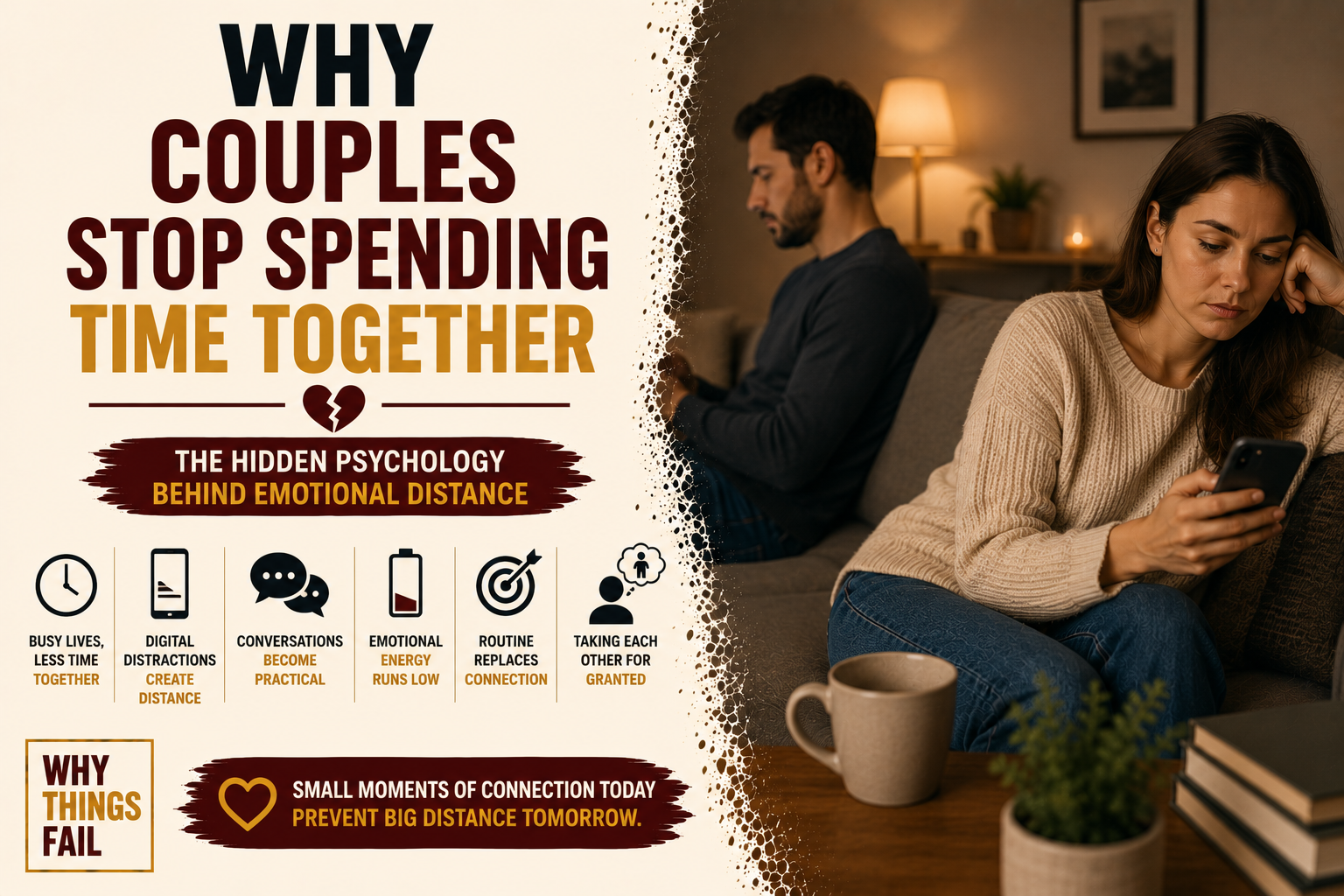
Eventually, one person carries the emotional weight of the entire relationship while the other becomes increasingly passive.
This pattern appears in romantic relationships, friendships, family relationships and even professional partnerships. Although the circumstances differ, the underlying behavioural dynamics remain remarkably similar.
The important question is not simply why someone stops making an effort.
The deeper question is why one person continues accepting an increasingly unequal relationship while the other gradually becomes comfortable contributing less.
Understanding this requires looking beyond communication problems and examining the psychological, behavioural and social forces that make one sided relationships surprisingly common.
What Is a One Sided Relationship?
A one sided relationship exists when one person consistently invests more time, emotional energy, commitment or responsibility than the other.
The imbalance extends beyond occasional differences in effort.
Healthy relationships naturally fluctuate. During difficult periods, one partner may temporarily provide more support while the other recovers from illness, stress or personal challenges.
A one sided relationship is different.
The imbalance becomes persistent.
One person continually initiates contact.
One person apologises first.
One person compromises more often.
One person carries the responsibility for maintaining emotional connection.
Meanwhile, the other person gradually becomes accustomed to receiving support without offering the same level of commitment in return.
The relationship continues to exist, but reciprocity slowly disappears.
Researchers have a name for this: equity theory. Decades of research consistently show that people who feel “under-benefitted” giving more than they receive experience real emotional distress and lower relationship satisfaction, regardless of how much they love their partner. Feeling chronically over-benefitted carries its own risks too, but it’s the under-benefitted partner who usually reaches breaking point first.
The Biggest Myth
The most common belief is that one sided relationships exist because one person simply does not care enough.
Reality is usually more complicated.
Human behaviour is shaped by incentives, habits, emotional needs, attachment patterns and expectations.
Many people who contribute less are not intentionally selfish.
Some avoid emotional intimacy because vulnerability feels uncomfortable.
Others assume the relationship is healthy because the other person continues meeting every emotional need without complaint.
Likewise, the partner who gives everything is not always acting from generosity alone.
Sometimes they fear rejection.
Sometimes they seek approval through helping others.
Sometimes they believe constant sacrifice is necessary to earn love.
Understanding these hidden motivations reveals that one sided relationships are rarely created by one person’s behaviour alone.
They develop through interaction between two psychological patterns that gradually reinforce each other.
What Usually Happens?
Most one sided relationships develop slowly.
In the beginning, both people contribute similar levels of effort.
As circumstances change, one partner begins giving slightly more support.
The other accepts that support.
Nothing appears unusual.
Over time, this pattern repeats.
One person always sends the first message.
One person always makes plans.
One person always resolves conflict.
One person always compromises.
The imbalance gradually becomes normal.
Neither person consciously decides to create a one sided relationship.
Instead, repeated behaviours establish new expectations.
The relationship quietly adapts until unequal effort feels ordinary.
Why Do Relationships Become One Sided?
This is where the real investigation begins.
One sided relationships are rarely created by a lack of affection alone.
They emerge from predictable patterns of human behaviour, emotional decision making and psychological incentives that gradually reshape the relationship without either person fully recognising what is happening.
Emotional Investment Is Rarely Equal
People experience relationships differently.
One partner may naturally value emotional closeness more than the other.
This difference influences behaviour.
The emotionally invested partner notices changes more quickly.
They recognise emotional distance earlier.
They become motivated to restore harmony before problems grow larger.
The less invested partner experiences less emotional urgency.
Because they feel comfortable, they see little reason to change their behaviour.
This creates an imbalance where one person continually maintains the relationship while the other simply participates.
The greater the emotional investment, the greater the willingness to protect the relationship.
Ironically, this often places more responsibility on the person who already cares the most.
Behaviour Creates Expectations
Behavioural psychology demonstrates that repeated actions gradually establish expectations.
When one person consistently solves problems, initiates conversations and resolves disagreements, these behaviours become predictable.
The other partner unconsciously adapts.
Effort becomes unnecessary because someone else always provides it.
This is not always manipulation.
It is often behavioural adaptation.
Humans naturally conserve emotional effort when existing systems continue functioning.
If one partner repeatedly carries the emotional responsibility for the relationship, the other gradually stops recognising how much work is actually being done.
The imbalance therefore grows through habit rather than intention.
Fear Of Conflict Encourages Silence
Many one sided relationships survive because the giving partner avoids difficult conversations.
They worry that expressing disappointment may create conflict.
They fear appearing demanding.
Some even believe asking for equal effort makes them selfish.
Behavioural psychologists describe this as conflict avoidance.
People often choose short term emotional comfort instead of temporary discomfort that could improve the relationship.
Unfortunately, avoiding honest conversations creates delayed consequences.
Resentment quietly replaces appreciation.
Emotional exhaustion replaces generosity.
Eventually, frustration becomes too large to ignore.
By then, the relationship has already adapted to unequal expectations.
Approval Seeking Creates Emotional Imbalance
Not every act of generosity comes from emotional security.
Some people develop self worth through helping others.
They feel valuable only when they are needed.
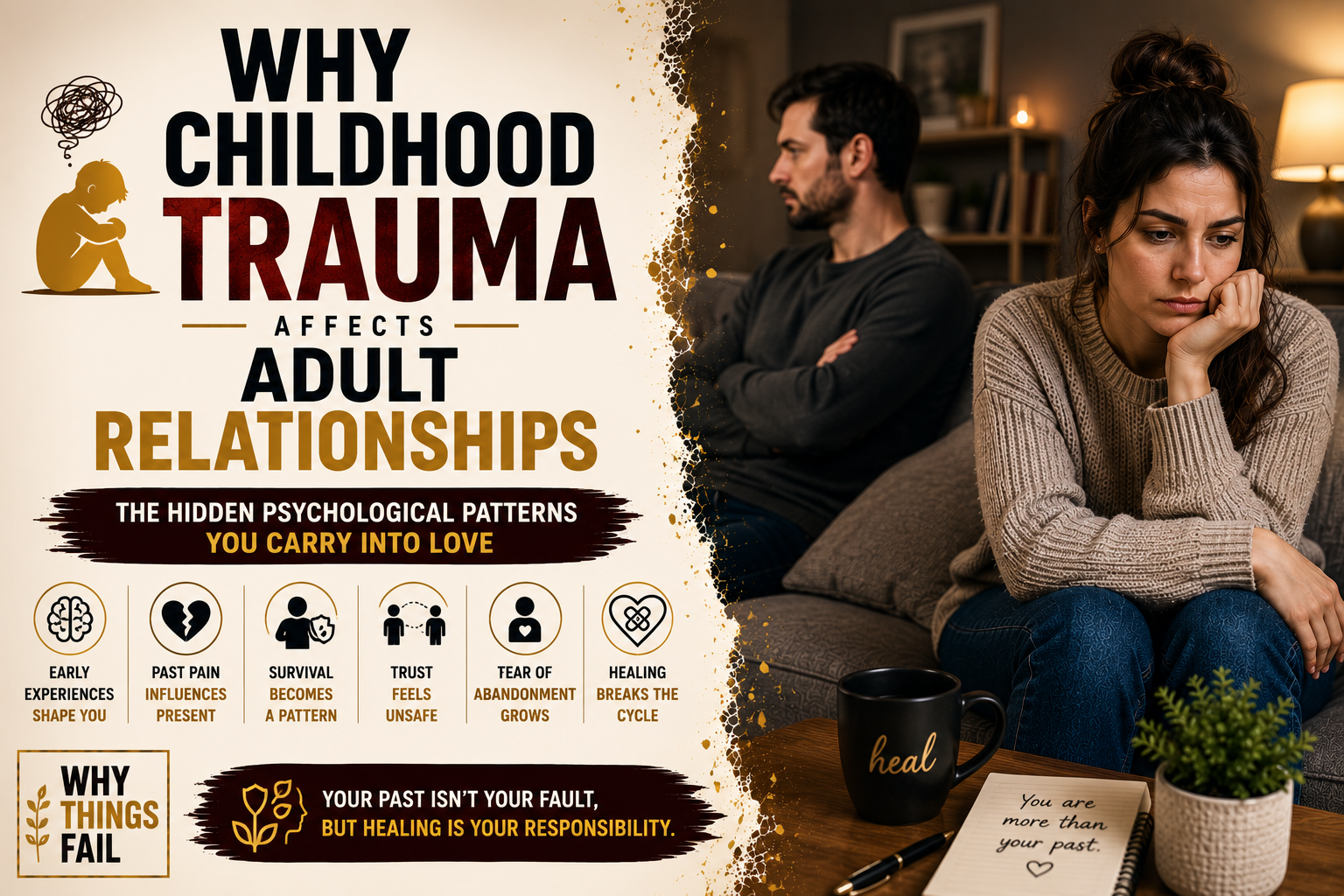
This behavioural pattern often develops through childhood experiences, family dynamics or previous relationships where affection depended upon pleasing other people.
As adults, they continue giving beyond healthy limits.
They struggle to establish boundaries.
They believe saying no threatens the relationship.
Ironically, excessive giving often produces the opposite outcome.
Instead of creating appreciation, it normalises unlimited availability.
The more one person sacrifices without expressing their own needs, the easier it becomes for those needs to remain invisible.
Weak Boundaries Reward Unequal Behaviour
Healthy relationships depend upon mutual responsibility.
Boundaries help define what each person contributes emotionally, practically and psychologically.
When boundaries remain unclear, responsibility gradually shifts towards the person least willing to disappoint others.
They become the planner.
The listener.
The problem solver.
The emotional caretaker.
The relationship begins functioning around one person’s willingness to carry increasing responsibility.
Over time, unequal contribution no longer feels exceptional.
It becomes the operating system of the relationship.
Attachment Styles Shape Relationship Dynamics
Attachment theory offers another important explanation.
People with anxious attachment often seek reassurance through constant communication, emotional availability and acts of service.
People with avoidant attachment frequently value independence and emotional distance.
Neither pattern automatically creates unhealthy relationships.
However, when these attachment styles interact without awareness, imbalance can develop naturally.
The anxious partner increases effort whenever emotional distance appears.
The avoidant partner experiences that increased effort as reassurance that everything is functioning normally.
Each person’s behaviour unintentionally reinforces the other’s pattern.
Without conscious change, the relationship slowly becomes defined by unequal emotional investment rather than mutual connection.
Warning Signs
One sided relationships rarely collapse without warning. The imbalance usually develops gradually, making it difficult for either person to recognise the problem while it is still manageable.
One of the earliest warning signs is that one person always initiates communication. Conversations, plans and attempts to resolve disagreements depend almost entirely on one partner’s effort. If that effort stops, the relationship becomes silent.
Another warning sign is emotional exhaustion. The giving partner begins feeling responsible for maintaining the relationship while receiving little emotional support in return. Acts of kindness that once felt natural slowly become obligations.
A growing imbalance in responsibility is equally significant. One person consistently apologises first, compromises more often and adapts their needs to avoid upsetting the other. Over time, this creates resentment rather than connection.
Another overlooked indicator is feeling guilty for expressing personal needs. When someone fears that asking for reciprocity will damage the relationship, they often remain silent. The imbalance continues because honest communication never occurs.
These warning signs are frequently ignored because the relationship still appears functional from the outside. Daily routines continue, conversations still happen and major conflicts may even be rare. Yet beneath the surface, emotional reciprocity has already begun to disappear.
What Could Have Prevented It?
Most one sided relationships cannot be prevented through grand gestures or dramatic conversations.
They are prevented through small, consistent behaviours that preserve balance before imbalance becomes permanent.
Open communication is essential. Expressing emotional needs early prevents assumptions from replacing understanding. Healthy relationships depend on clarity rather than mind reading.
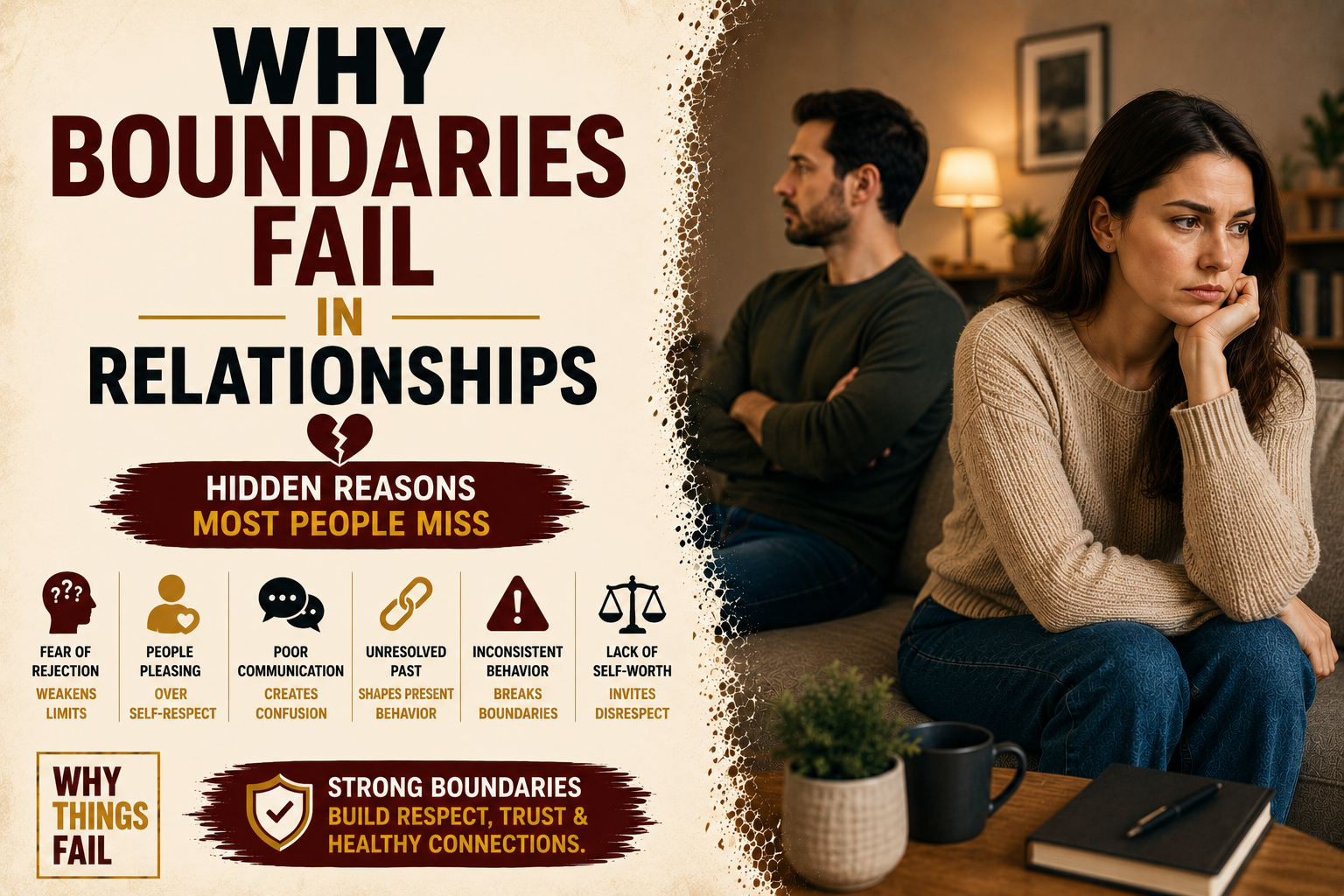
Clear boundaries also reduce emotional imbalance. When both people understand their responsibilities, neither partner gradually becomes responsible for everything. Boundaries protect relationships because they create sustainable expectations rather than unlimited sacrifice.
Emotional accountability is equally important. Both individuals should regularly reflect on whether they are contributing fairly. Relationships remain healthy when responsibility is shared instead of assumed.
Self awareness also plays a significant role. People who recognise patterns such as approval seeking, conflict avoidance or emotional dependency are better equipped to make decisions that strengthen rather than weaken their relationships.
Finally, relationships benefit from regular adjustment. Circumstances change throughout life, but expectations should evolve through honest discussion rather than silent assumptions.
Lessons
One sided relationships reveal that affection alone cannot sustain healthy human connections. Mutual responsibility is equally important.
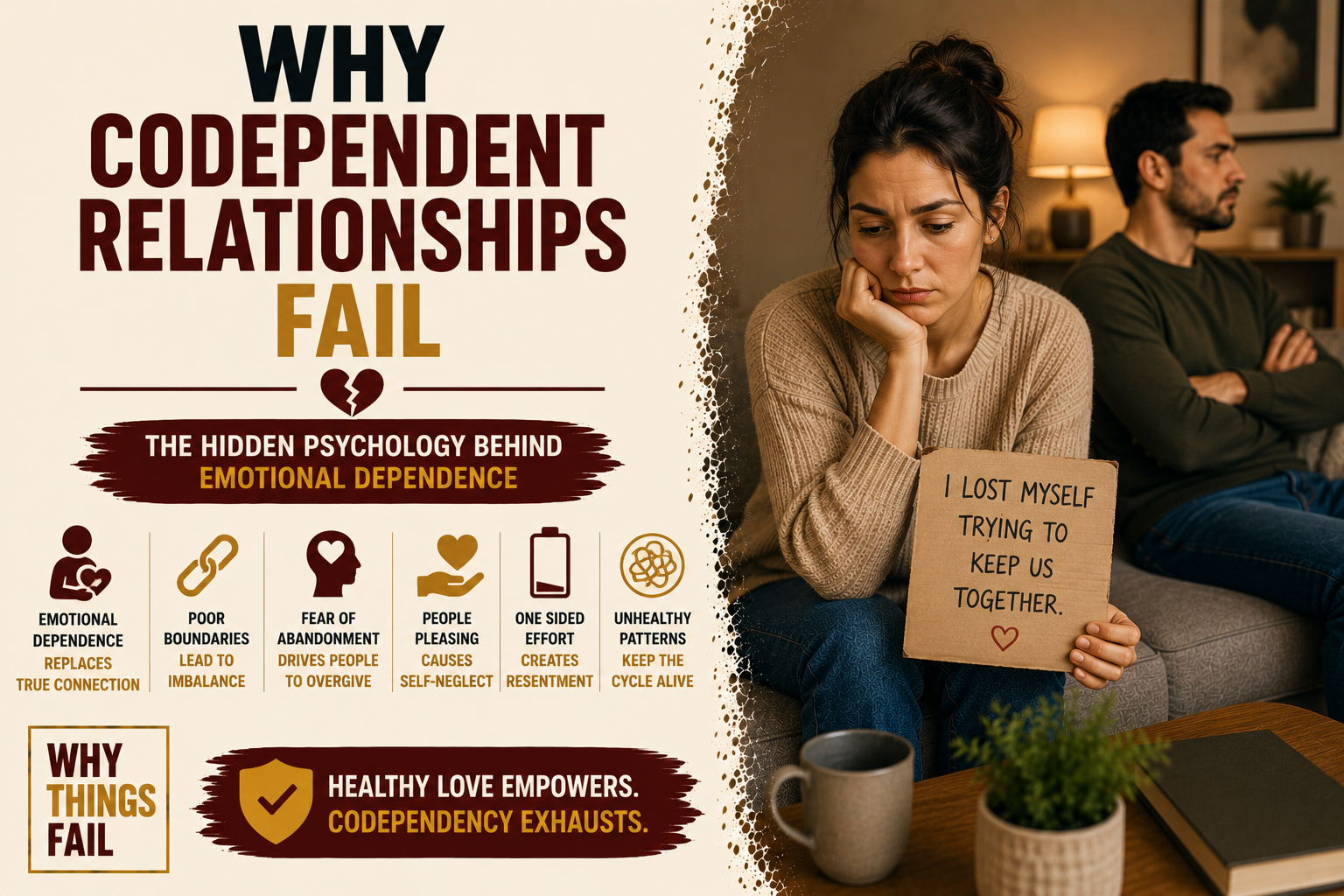
Another lesson is that generosity without boundaries often creates dependency rather than appreciation. Unlimited giving may appear loving, but it can unintentionally remove opportunities for the other person to contribute.
The investigation also demonstrates that communication problems are often symptoms rather than root causes. Beneath poor communication usually lie deeper psychological patterns involving attachment, emotional security, conflict avoidance or unmet emotional needs.
Perhaps the most important lesson is that healthy relationships are maintained through shared responsibility rather than unequal sacrifice. Lasting trust develops when both people remain emotionally invested in protecting the relationship.
Failure Pattern
The dominant pattern behind one sided relationships is Emotional Decision Making combined with Poor Boundaries and Conflict Avoidance.
The pattern repeats because one person’s willingness to give continuously removes the need for the other person to increase their own effort.
As emotional imbalance grows, habits become expectations. The giving partner continues sacrificing because they fear conflict or rejection. The receiving partner contributes less because the relationship continues functioning without change.
This behavioural cycle appears in friendships, romantic relationships, family dynamics and even professional partnerships. The specific circumstances differ, but the underlying psychology remains remarkably consistent.
Hidden Lesson
One sided relationships rarely fail because one person stops caring overnight.
They fail because small behavioural imbalances quietly become accepted as normal.
The deepest lesson is that relationships reflect repeated behaviours rather than occasional intentions. People often believe love is measured by how much they give. In reality, healthy relationships depend just as much on creating space for both people to contribute, communicate and share responsibility.
Failure Scorecard
| Area | Score | Explanation |
| Emotional Balance | 3/10 | One partner consistently invests more emotional energy than the other. |
| Decision Making | 5/10 | Important relationship decisions are often influenced by fear of conflict rather than honest communication. |
| Boundary Management | 4/10 | Weak boundaries encourage unequal expectations and emotional dependency. |
| Long Term Thinking | 5/10 | Short term peace is prioritised over addressing deeper issues. |
| Emotional Awareness | 6/10 | Feelings are recognised but not always communicated effectively. |
| Emotional Control | 5/10 | Resentment gradually replaces healthy emotional regulation. |
| Planning | 4/10 | The relationship evolves without intentional discussions about expectations. |
| Adaptability | 6/10 | Change is possible, but only when both people acknowledge the imbalance. |
Key Takeaways
- One sided relationships develop gradually rather than suddenly.
- Emotional imbalance often begins with small behavioural patterns.
- Fear of conflict allows unequal expectations to become normal.
- Healthy boundaries protect relationships instead of weakening them.
- Mutual effort is more sustainable than constant sacrifice.
- Attachment styles can unintentionally reinforce unequal emotional investment.
- Honest communication prevents resentment from replacing connection.
- Lasting relationships depend on reciprocity, accountability and shared responsibility.
Frequently Asked Questions
Why do relationships become one sided?
Relationships become one sided when emotional effort, communication and responsibility gradually become unequal. This often results from poor boundaries, conflict avoidance, attachment patterns and repeated behavioural habits.
Can a one sided relationship become healthy again?
Yes, provided both individuals acknowledge the imbalance and become willing to change their behaviour. Sustainable improvement requires shared responsibility rather than one person making all the adjustments.
Why do people stay in one sided relationships?
Many people remain because they fear rejection, value the relationship highly, hope things will improve or believe sacrificing their own needs is necessary to maintain emotional connection.
What is the biggest sign of a one sided relationship?
The clearest sign is that one person consistently carries the emotional responsibility for maintaining the relationship while the other contributes significantly less.
Are one sided relationships always unhealthy?
Temporary imbalance is normal during difficult life circumstances. A relationship becomes unhealthy when unequal effort becomes the permanent pattern and one person’s emotional needs are consistently overlooked.
Conclusion
One sided relationships do not emerge because affection suddenly disappears. They develop through repeated behavioural patterns, silent assumptions and psychological incentives that gradually shift responsibility from two people to one.
Understanding these deeper dynamics changes how relationship failure is viewed. The greatest threat is not the absence of love but the quiet normalisation of unequal effort, reminding us that healthy relationships are sustained not by how much one person is willing to give, but by how consistently both people choose to invest in one another.