Introduction
Most relationships do not end with a dramatic argument or a sudden betrayal.
They often fade quietly.
Two people who once talked for hours begin speaking mainly about schedules, bills, children and responsibilities. Shared meals become rushed. Evenings are spent on separate screens. Conversations become functional rather than personal.
From the outside, the relationship may still appear stable. The couple may live together, raise children together and continue fulfilling their daily obligations. Yet emotionally, they have begun living parallel lives.
This pattern has become increasingly common in modern relationships. Long working hours, digital distractions, financial pressures and constant connectivity have changed how couples interact. Many people assume emotional distance is simply an unavoidable consequence of adult life.
The deeper reality is more complicated.
Couples rarely stop spending time together because they no longer care about each other. More often, they stop because small behavioural changes gradually replace connection with convenience, routine and distraction. The relationship becomes efficient, but it stops being emotionally nourishing.
Understanding why this happens requires looking beyond romance and examining human behaviour, emotional incentives, decision making and the subtle psychological forces that slowly reshape relationships over time.
What Is It?
When couples stop spending time together, they do not necessarily stop living together.
The failure is not physical absence alone. It is the gradual reduction of meaningful shared experiences.
This often includes:
- Fewer uninterrupted conversations
- Less shared leisure time
- Reduced emotional disclosure
- Separate routines
- Increased time spent on phones, work or individual activities
- Declining curiosity about each other’s thoughts and experiences
- Less intentional connection
The important distinction is between being near someone and being emotionally engaged with them.
Many couples spend hours in the same house while sharing very little emotional connection.
The Biggest Myth
The most common belief is that couples stop spending time together because they have fallen out of love.
In many cases, that is not the starting point.
Research in relationship psychology suggests that emotional distance often develops gradually through accumulated habits rather than a single emotional turning point. Love may still exist, but it becomes buried beneath routines, responsibilities and unexamined behavioural patterns.
The real question is not simply:
“Do they still love each other?”
It is:
“What has replaced the time, attention and emotional energy that once sustained the relationship?”
That question reveals far more about why relationships drift apart.
What Usually Happens?
The pattern is remarkably consistent.
A couple begins a relationship with high levels of attention, novelty and emotional investment.
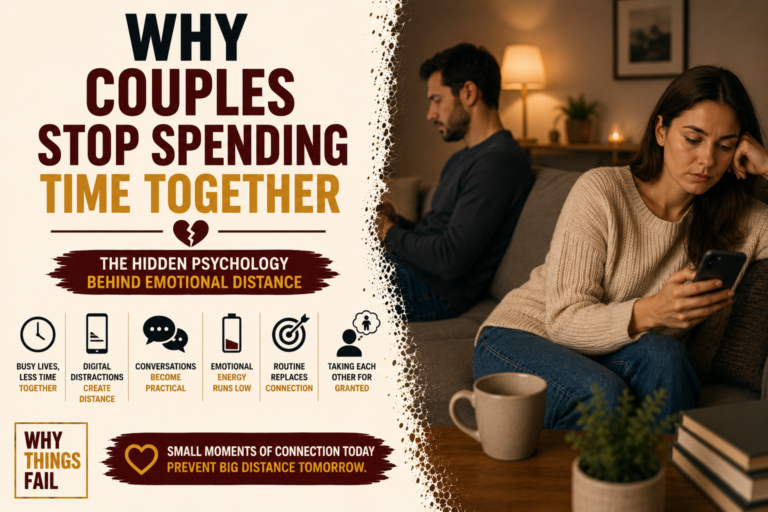
Over time:
- Work demands increase.
- Household responsibilities grow.
- Children may arrive.
- Financial pressures become more significant.
- Free time becomes fragmented.
- Digital devices fill remaining moments.
- Conversations become increasingly practical.
- Shared experiences become less frequent.
Neither partner usually makes a conscious decision to disconnect.
The relationship simply receives less intentional attention until emotional closeness gradually weakens.
Why Does It Happen?
This is where the real investigation begins.
The visible problem is lack of time together.
The deeper problem is how humans allocate attention, energy and emotional resources under pressure.
Familiarity Reduces Perceived Urgency
Early in a relationship, the other person feels new and psychologically rewarding. Novel experiences stimulate attention and curiosity. People naturally prioritise connection because it feels emotionally valuable.
As familiarity increases, the brain begins treating the relationship as secure and predictable. What once required active attention now feels permanent.
This creates a dangerous assumption:
“We will connect later.”
Later often never arrives.
Urgent tasks repeatedly displace important but non urgent emotional connection.
Emotional Energy Becomes Scarce
Most adults do not simply run out of time. They run out of emotional energy.
After dealing with work, commuting, financial concerns, parenting and daily responsibilities, many people seek activities that require minimal emotional effort. Scrolling through a phone, watching television or working longer hours often feels easier than engaging in a meaningful conversation.
This is not necessarily a sign of indifference.
It is a sign that emotional connection requires energy, and exhausted people tend to choose low effort forms of relief.
Digital Distraction Creates The Illusion Of Engagement
Modern couples are often physically present but mentally elsewhere.
Phones provide endless stimulation, information and social interaction. Each notification competes with the relationship for attention. Over time, micro interruptions gradually erode sustained conversation.
The danger is subtle because neither partner may notice the cumulative effect.
Ten minutes of distraction does not seem significant.
Hundreds of small distractions repeated daily eventually become emotional distance.
Conflict Avoidance Reduces Intimacy
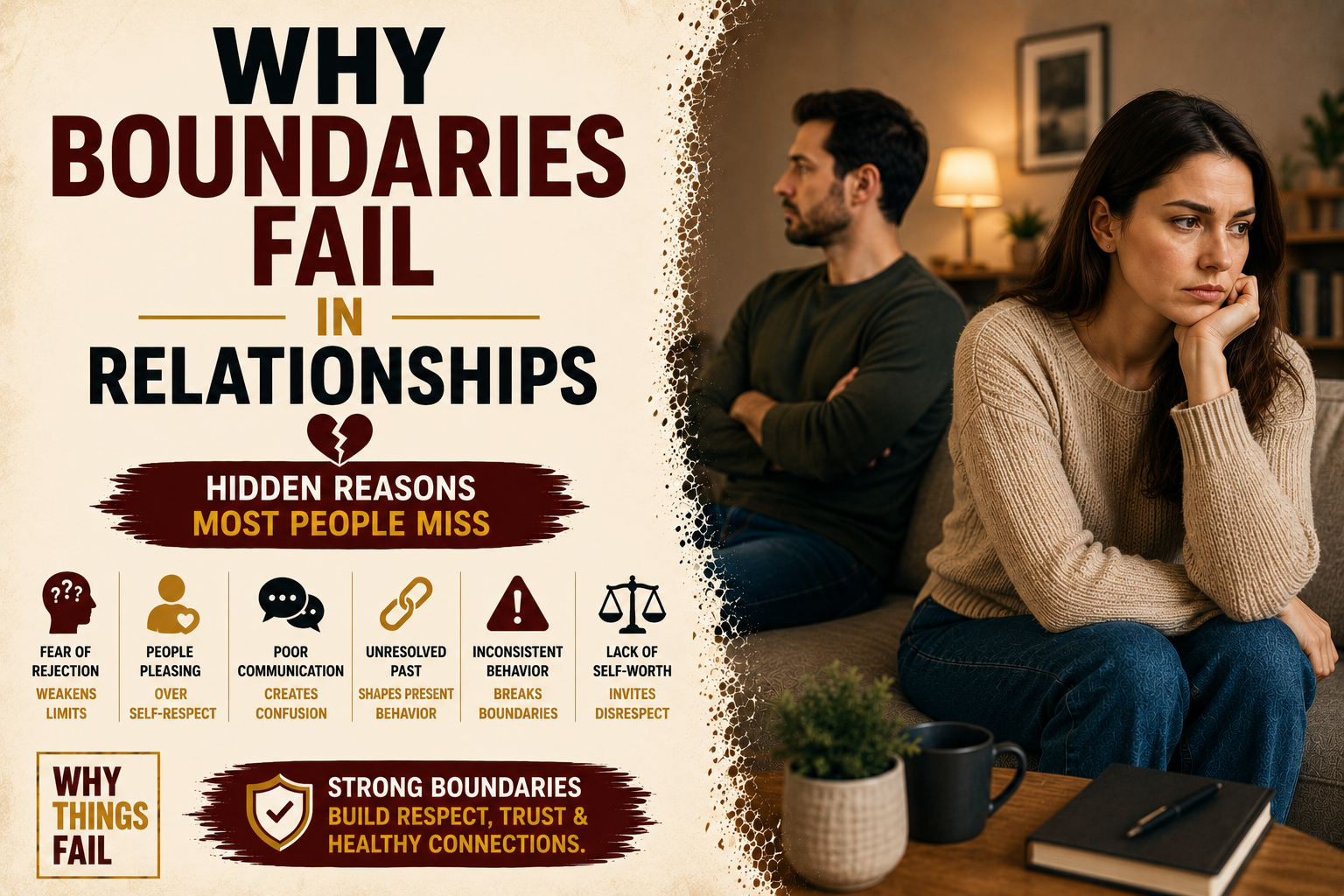
Some couples stop spending time together because togetherness begins to feel emotionally risky.
Unresolved disagreements, disappointments or recurring tensions make deep conversation uncomfortable. Rather than addressing the underlying issues, partners unconsciously reduce opportunities for emotional interaction.
This creates temporary peace but long term distance.
Avoiding conflict often means avoiding intimacy as well, because genuine closeness requires openness, vulnerability and honest communication.
Routine Replaces Curiosity
In strong relationships, partners remain interested in each other as evolving individuals.
In drifting relationships, partners begin interacting mainly through roles:
- Parent
- Employee
- Household manager
- Financial partner
- Problem solver
Curiosity disappears.
Questions such as “What are you thinking about lately?” or “What has been exciting or difficult for you recently?” become rare. Without curiosity, emotional discovery stops, and the relationship becomes increasingly transactional.
Social And Cultural Incentives Matter
Modern culture often rewards productivity more than connection.
Working longer hours is frequently praised.
Being constantly busy is treated as evidence of responsibility.
Protecting time for conversation, shared experiences or emotional presence rarely receives the same social recognition.
As a result, many couples unintentionally prioritise efficiency over intimacy. They become excellent at managing logistics while gradually neglecting the emotional system that makes the relationship feel alive.
Delayed Consequences Hide The Problem
One of the most important reasons couples ignore emotional distance is that the consequences are delayed.
A missed conversation today does not immediately damage the relationship.
A week of limited connection may seem harmless.
Even months of reduced emotional engagement can appear manageable because daily life continues functioning.
The relationship often seems stable until one partner suddenly says:
“I feel lonely even when we are together.”
By that point, the distance has usually been developing for a long time.
The relationship did not change overnight.
It changed through hundreds of small decisions about where attention, energy and emotional presence would be invested.
Warning Signs
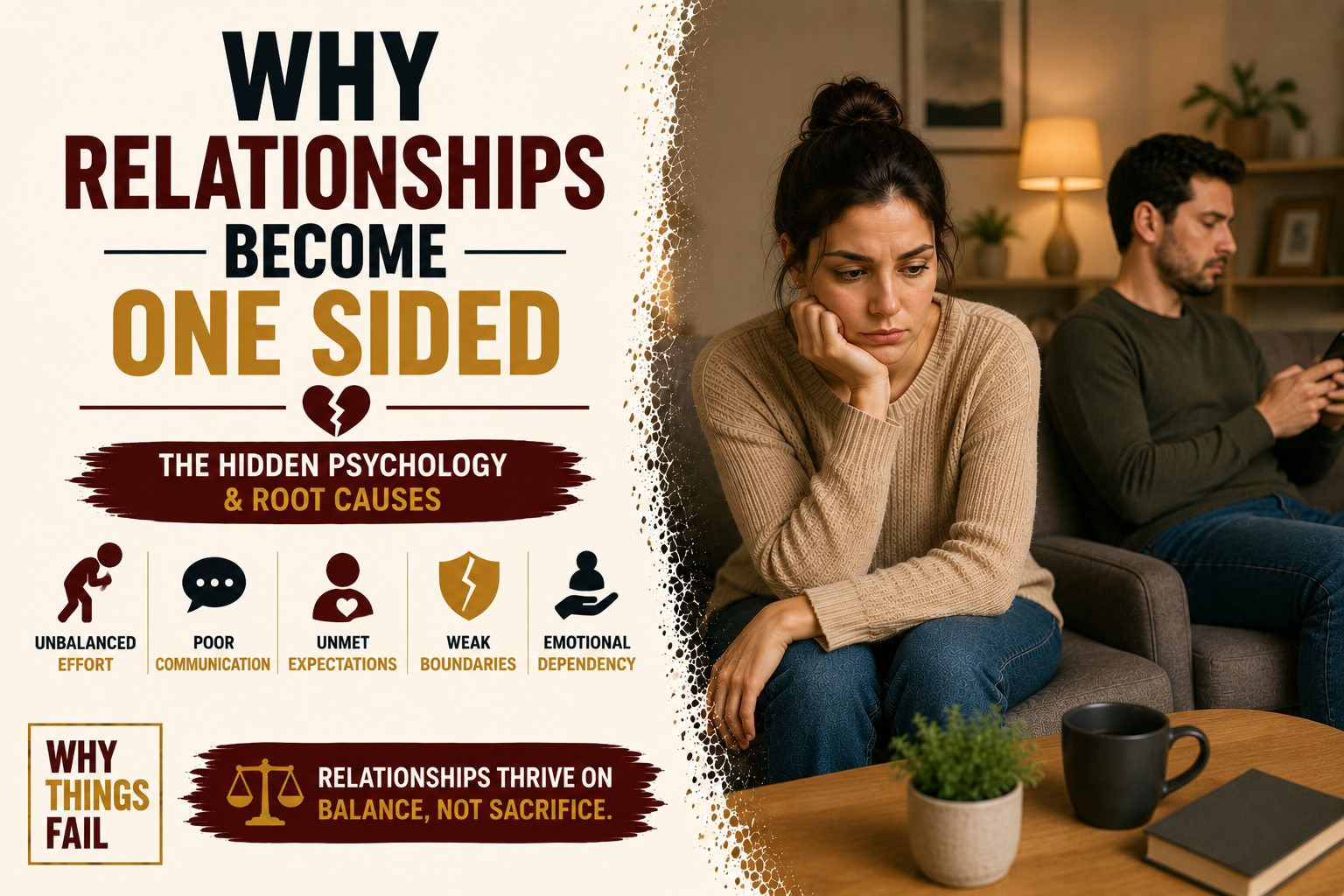
Relationships rarely weaken without warning. The difficulty is that the warning signs often appear ordinary. They become part of daily life until emotional distance feels normal.
One of the earliest signs is when conversations revolve almost entirely around responsibilities. Discussions focus on work schedules, household tasks, finances or parenting, while personal thoughts, dreams and feelings gradually disappear.
Another warning sign is preferring digital entertainment over shared experiences. Spending every evening on separate devices may seem harmless, yet it steadily reduces opportunities for emotional connection.
Emotional withdrawal is another indicator. Partners stop sharing frustrations, achievements or worries because they assume the other person is too busy or no longer interested. Silence gradually replaces openness.
Small moments of affection also begin to decline. A simple conversation over dinner, a walk together or asking meaningful questions becomes increasingly uncommon.
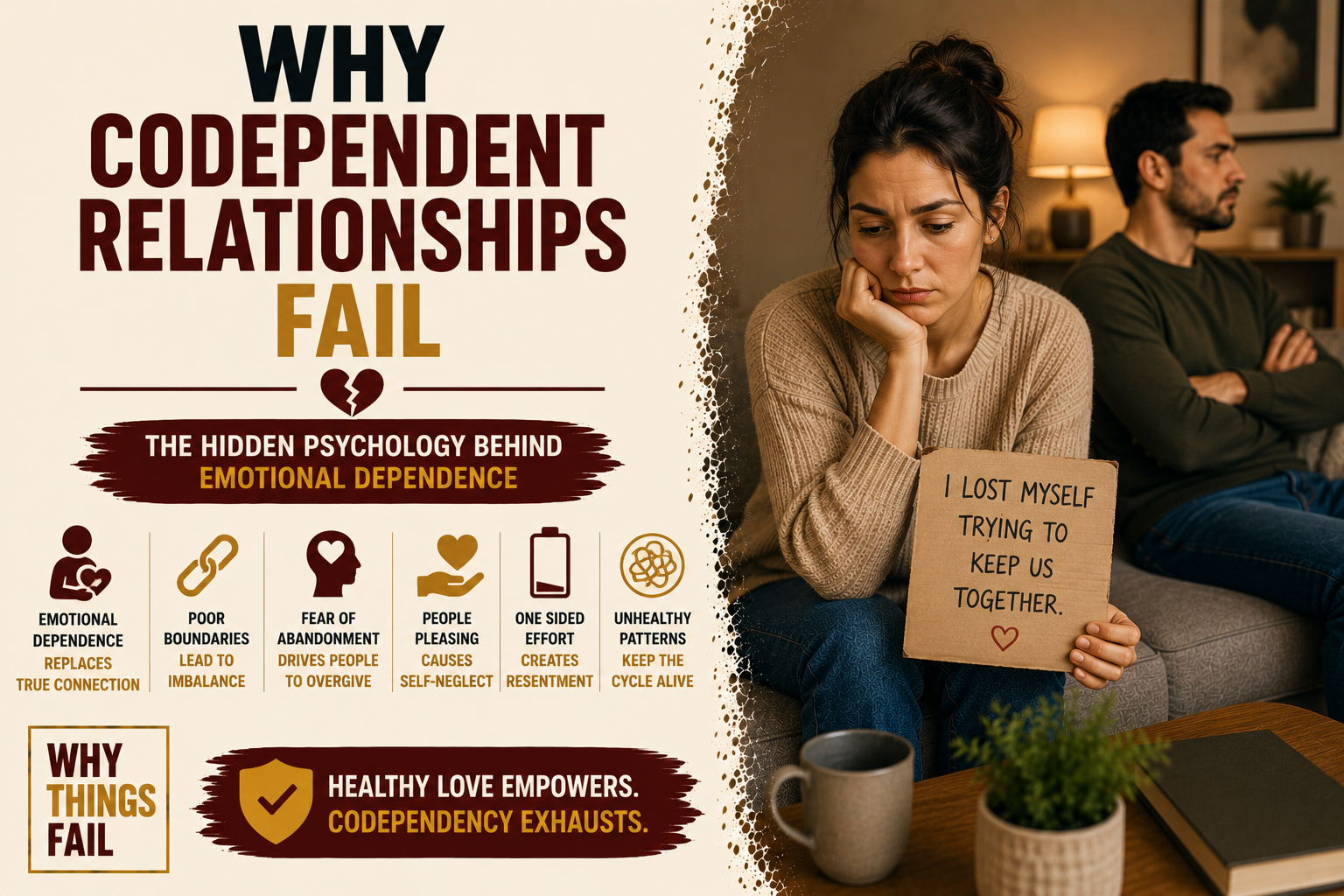
Perhaps the strongest warning sign is emotional loneliness despite physical closeness. Couples continue living together but begin feeling unseen, unheard or emotionally disconnected.
These signs are frequently ignored because life continues functioning. Bills are paid, children are cared for and routines remain intact. The relationship appears stable from the outside while emotional intimacy quietly weakens beneath the surface.
What Could Have Prevented It?
Most relationships do not require extraordinary solutions.
They require consistent attention before emotional distance becomes deeply established.
One of the most effective protective factors is intentional time together. Relationships thrive when couples regularly create opportunities for uninterrupted conversation without distractions or competing priorities.
Equally important is maintaining curiosity. People continue growing throughout life. Partners who remain interested in each other’s thoughts, concerns and ambitions preserve emotional intimacy because they continue discovering one another instead of assuming they already know everything.
Healthy communication also prevents emotional distance from becoming permanent. Addressing disappointment early allows couples to resolve small problems before they become patterns of avoidance.
Technology boundaries can also improve connection. Setting aside periods without phones or digital interruptions allows conversations to develop naturally and signals that the relationship deserves focused attention.
Most importantly, couples benefit from recognising that emotional connection is not self sustaining. Like trust, health or professional success, relationships require ongoing investment. Assuming closeness will maintain itself often becomes the first step towards emotional separation.
Lessons
The reasons couples stop spending time together reveal broader truths about human relationships.
The first lesson is that love alone does not maintain closeness. Affection creates the foundation, but habits determine whether that foundation remains strong over time.
Another lesson is that attention is one of the most valuable resources in any relationship. Where attention consistently goes, emotional connection usually follows. When attention is repeatedly diverted elsewhere, intimacy gradually declines.
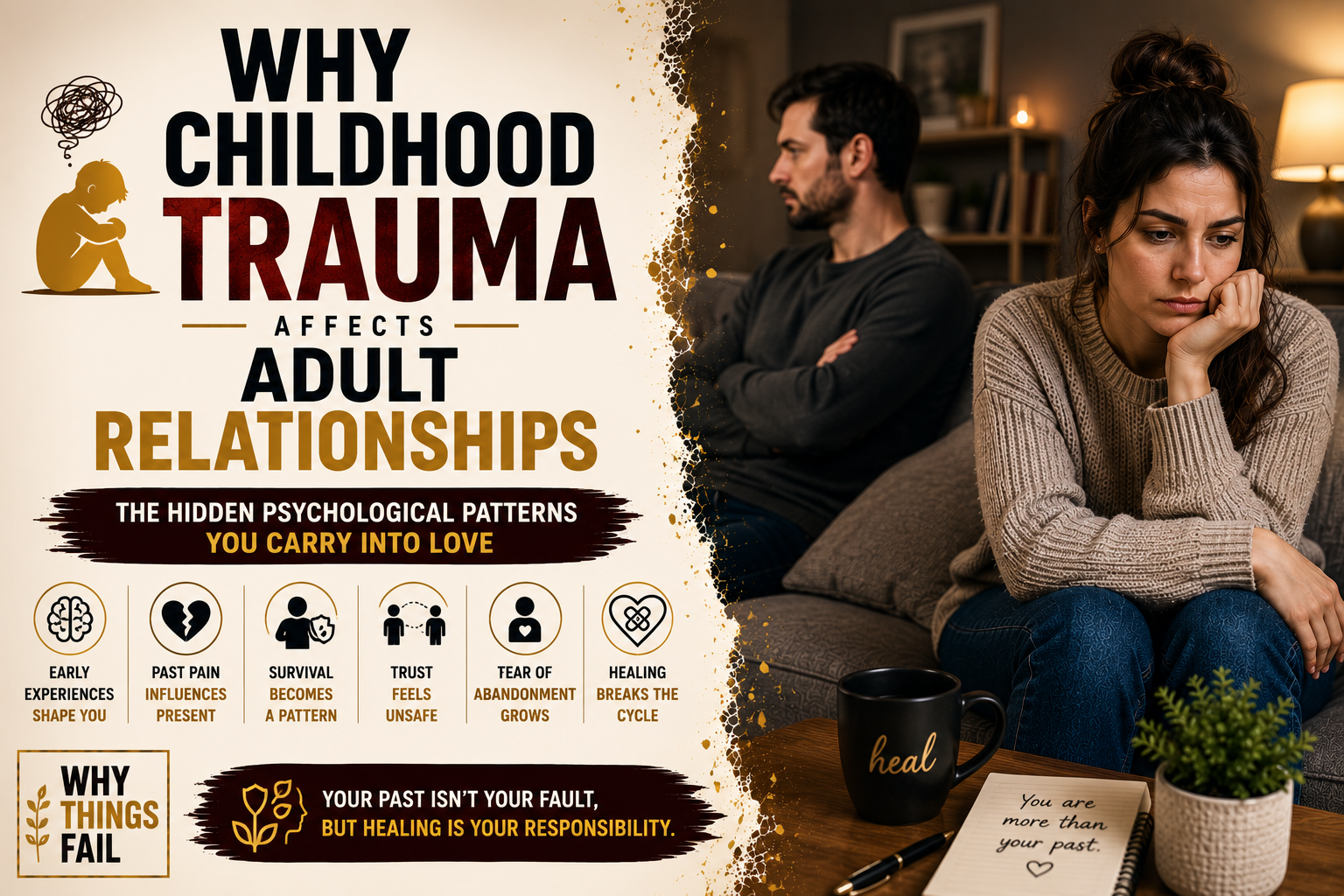
The investigation also demonstrates that relationships rarely fail because of one major event. They more often weaken through hundreds of ordinary decisions that individually appear insignificant but collectively reshape the relationship.
Perhaps the most important lesson is that emotional connection depends less on the amount of time available and more on how intentionally that time is used.
Failure Pattern
The dominant pattern behind this relationship failure is Lack of Planning combined with Emotional Decision Making and Short Term Thinking.
Couples naturally respond to immediate demands because urgent responsibilities produce visible consequences. Work deadlines, financial obligations and household responsibilities demand immediate action.
Emotional connection, however, produces delayed benefits.
Because its rewards are less immediate, it is repeatedly postponed.
Over time, convenience replaces intention.
Routine replaces curiosity.
Efficiency replaces emotional presence.
This pattern appears beyond romantic relationships. Friendships weaken, families become distant and business partnerships lose trust through the same behavioural process. Important relationships are rarely damaged by one dramatic decision. They decline when meaningful interaction is consistently replaced by more urgent but less valuable activities.
Hidden Lesson
The greatest threat to a relationship is not conflict.
It is neglect that feels reasonable.
Most couples do not consciously choose emotional distance. They simply continue choosing other priorities until connection becomes something they expect rather than something they actively create.
The deeper truth is that relationships rarely end when partners stop loving each other.
They often begin weakening when they stop intentionally knowing each other.
Failure Scorecard
| Area | Score | Explanation |
| Relationship Discipline | 5/10 | Good intentions often exist but consistent habits of connection gradually disappear. |
| Decision Making | 5/10 | Daily priorities frequently favour urgent responsibilities over emotional wellbeing. |
| Emotional Risk Management | 4/10 | Difficult conversations are often avoided, allowing emotional distance to increase. |
| Long Term Thinking | 4/10 | Many couples assume closeness will continue without ongoing effort. |
| Relationship Knowledge | 6/10 | Most people understand the importance of communication but underestimate the importance of consistent shared time. |
| Emotional Control | 5/10 | Stress, fatigue and frustration frequently reduce emotional availability. |
| Planning | 4/10 | Quality time is rarely protected with the same commitment as work or family responsibilities. |
| Adaptability | 6/10 | Couples who regularly adjust to changing life circumstances maintain stronger emotional resilience. |
Key Takeaways
- Couples rarely stop spending time together because love suddenly disappears.
- Emotional distance develops through repeated small behavioural choices.
- Familiarity can reduce intentional effort if left unexamined.
- Constant digital distraction quietly replaces meaningful conversation.
- Emotional intimacy requires curiosity as much as communication.
- Unresolved conflict often leads to avoidance rather than connection.
- Relationships require deliberate investment rather than passive maintenance.
- Protecting attention is often more valuable than finding additional time.
Frequently Asked Questions
Why do couples stop spending time together?
Most couples stop spending quality time together because work, responsibilities, stress and digital distractions gradually replace intentional connection. Emotional distance usually develops slowly rather than through one major event.
Is spending less time together always a sign of relationship problems?
Not necessarily. Healthy couples may have demanding schedules. The concern arises when meaningful communication, emotional openness and shared experiences decline for extended periods.
Can emotional distance be reversed?
Yes. Emotional distance can often be reduced when both partners intentionally rebuild communication, protect quality time and address unresolved issues before they become long term patterns.
Why do couples ignore the warning signs?
The warning signs usually develop gradually. Because daily responsibilities continue normally, emotional disconnection often feels less urgent than work, finances or parenting until the relationship has already weakened.
What is the biggest reason relationships drift apart?
The biggest reason is not a lack of love but a lack of consistent emotional investment. Small moments of connection are repeatedly postponed until emotional closeness gradually fades.
Conclusion
Couples do not usually stop spending time together because affection suddenly disappears. They stop because attention, emotional energy and daily priorities slowly shift away from the relationship until closeness becomes an expectation instead of an intentional practice.
Understanding this changes how relationship failure is viewed. Emotional distance is rarely created by one defining moment. It emerges through ordinary decisions repeated over months and years, reminding us that the strength of a relationship is shaped less by dramatic events and more by where two people consistently choose to invest their attention.