Quick Answer
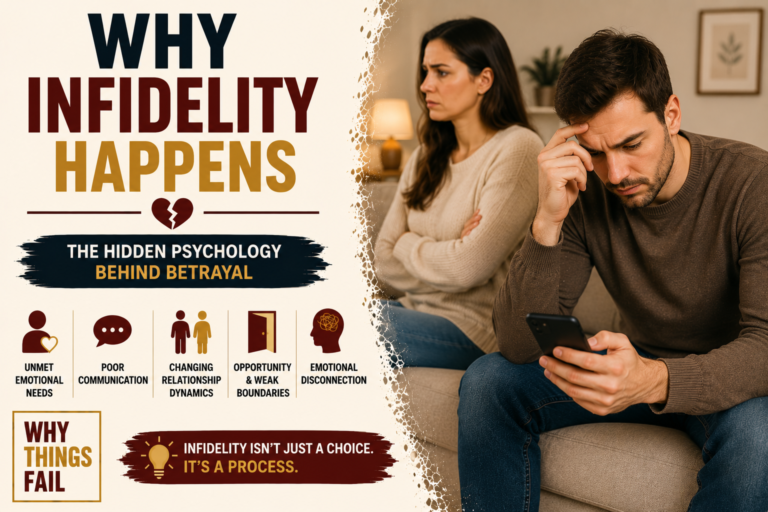
Infidelity rarely happens because of a single moment of temptation. It usually develops through unmet emotional needs, poor communication, opportunity, weak boundaries, changing relationship dynamics and predictable psychological patterns. Understanding these deeper causes explains why betrayal occurs more often than most people realise.
Introduction
Infidelity is one of the most painful experiences a relationship can endure.
For many people, it appears sudden and impossible to understand. A partner who once seemed loyal becomes emotionally or physically involved with someone else, leaving behind confusion, anger and unanswered questions.
The first question almost everyone asks is simple.
Why?
Was the relationship unhappy?
Did love disappear?
Was it simply about physical attraction?
Although these explanations are common, they rarely reveal the full picture.
Infidelity is not usually created by one bad decision. It often develops through a gradual series of emotional, psychological and behavioural changes that remain unnoticed until trust is broken.
This is why two relationships facing similar challenges can have very different outcomes. One couple grows stronger through conflict, while another experiences betrayal.
Understanding why infidelity happens requires looking beyond the affair itself. The real story lies in the hidden decisions, unmet emotional needs, incentives and psychological patterns that quietly reshape behaviour long before anyone crosses a boundary.
What Is Infidelity?
Infidelity occurs when one partner violates the expectations of trust, commitment or exclusivity within a relationship.
While physical affairs receive the most attention, infidelity can also be emotional.
An emotional affair develops when someone forms a deep emotional connection with another person while gradually withdrawing emotional intimacy from their partner.
In many relationships, emotional betrayal begins long before any physical relationship develops.
This distinction matters because infidelity is rarely defined only by physical behaviour. It is defined by broken trust.
Understanding this broader definition helps explain why some relationships collapse without physical intimacy ever occurring, while others recover despite physical betrayal.
The issue is not simply what happened.
It is what the behaviour represented.
The Biggest Myth
One of the most common beliefs is that people cheat because they no longer love their partner.
Reality is considerably more complex.
Research in psychology and relationship studies suggests that many people who engage in infidelity still report loving their partner.
This does not excuse betrayal.
It simply shows that love alone does not always determine behaviour.
Relationships are influenced by emotional needs, attachment styles, communication, personal values, opportunity, impulse control and individual psychology.
Reducing infidelity to “they stopped loving their partner” oversimplifies a deeply human problem.
The more useful question is not whether love existed.
It is why love alone failed to prevent betrayal.
What Usually Happens?
Infidelity rarely begins with a conscious decision to have an affair.
The process is often gradual.
Two people begin communicating more frequently.
Personal conversations become increasingly private.
Emotional support shifts away from the primary relationship.
Boundaries that once felt obvious become easier to justify.
Eventually emotional intimacy develops.
For some people, physical intimacy follows.
For others, the emotional relationship itself becomes the betrayal.
By the time the affair is discovered, the emotional journey often began weeks, months or even years earlier.
Understanding this progression is essential because it shows that infidelity is usually the result of many small decisions rather than one impulsive moment.
Why Does Infidelity Happen?
This is where the investigation truly begins.
Most explanations focus on the affair itself.
Far fewer examine the psychological processes that made the affair possible.
Infidelity is best understood as the interaction between human behaviour, emotional needs, opportunity and decision making.
The affair is the visible outcome.
The causes usually remain hidden.
Unmet Emotional Needs Create Vulnerability
Every long term relationship depends upon emotional connection.
People want to feel valued, respected, appreciated and understood.
When these emotional needs remain unmet for extended periods, individuals may begin seeking validation elsewhere.
This does not mean emotional neglect automatically causes infidelity.
Many people experience difficult relationships without becoming unfaithful.
However, unmet emotional needs can increase vulnerability when another person begins providing attention, empathy or admiration.
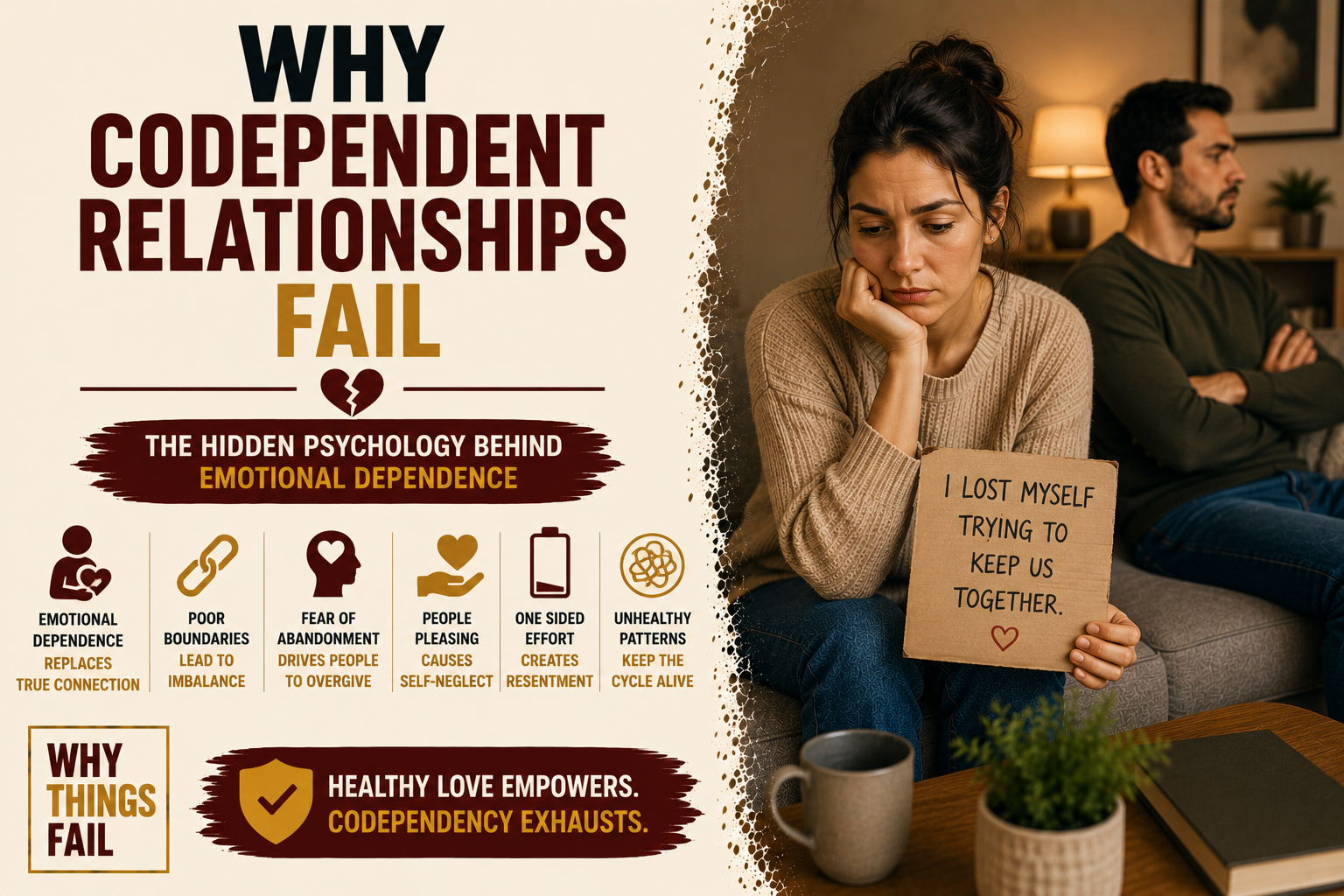
What initially feels like harmless conversation gradually becomes emotional dependence.
The relationship outside the partnership begins fulfilling needs that were once met within it.
The affair therefore becomes less about attraction and more about emotional replacement.
Opportunity Often Matters More Than Intention
Many people assume infidelity is driven entirely by personality.
Behavioural psychology suggests opportunity also plays a significant role.
People who regularly work closely with others, travel frequently or communicate privately through digital platforms may experience more opportunities for emotional closeness.
Most individuals believe they would recognise dangerous situations before crossing personal boundaries.
In reality, human beings are remarkably skilled at justifying small behavioural changes.
Private conversations become normal.
Daily messages become routine.
Personal disclosures become increasingly intimate.
Each step feels insignificant.
Together they gradually weaken relationship boundaries.
Opportunity does not create betrayal on its own.
It creates an environment where repeated small decisions become easier.
Human Psychology Seeks Validation
One of the strongest psychological drivers behind infidelity is the desire for validation.
Feeling admired activates powerful emotional rewards.
Compliments increase confidence.
Attention reinforces self worth.
Being desired creates excitement.
Long term relationships naturally become familiar over time.
Familiarity often reduces the intensity of novelty even when love remains strong.
A new relationship provides something psychologically different.
It offers curiosity, excitement and external validation without the everyday responsibilities that accompany established partnerships.
Behavioural psychologists describe this as novelty seeking.
The brain naturally responds to new experiences because they stimulate emotional reward systems.
Without self awareness, individuals may mistake temporary excitement for deeper emotional compatibility.
Poor Communication Allows Distance To Grow
Few relationships fail because of one argument.
More often they weaken because important conversations stop happening.
Partners begin avoiding conflict instead of resolving it.
Small frustrations remain unspoken.
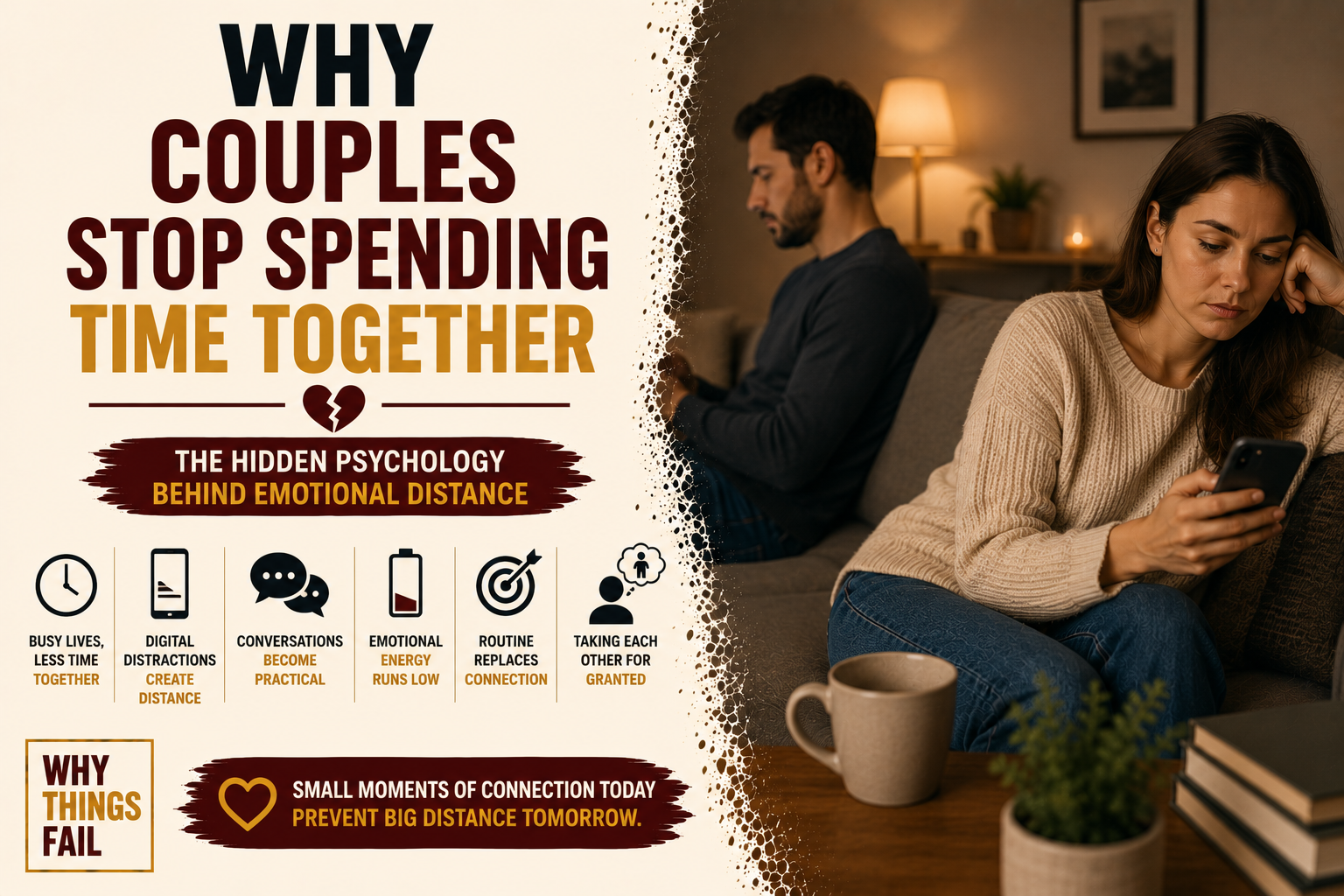
Emotional distance gradually replaces emotional closeness.
Over time, silence creates assumptions.
Assumptions create misunderstanding.
Misunderstanding reduces connection.
When communication declines, emotional loneliness can exist even within committed relationships.
Many affairs begin not because another person is objectively more compatible, but because they appear more emotionally available during a period of growing distance.
Short Term Thinking Overrides Long Term Consequences
Infidelity often reflects one of the most common behavioural patterns found in psychology.
People naturally give greater importance to immediate emotional rewards than distant future consequences.
The excitement of secrecy.
The pleasure of feeling desired.
The comfort of emotional connection.
These experiences feel immediate.
The potential consequences often feel distant and uncertain.
This pattern explains why individuals who fully understand the possible damage to their relationship still make decisions that place everything at risk.
The human brain frequently values present emotion more strongly than future regret.
Self Justification Reduces Feelings Of Guilt
Few people see themselves as dishonest.
When behaviour conflicts with personal values, the mind often creates explanations that reduce emotional discomfort.
Someone may convince themselves that the relationship was already failing.
Another person may believe they deserve happiness after years of feeling neglected.
Others separate emotional intimacy from physical loyalty and conclude they have done nothing seriously wrong.
These justifications do not remove responsibility.
They simply make behaviour easier to continue.
The affair becomes psychologically acceptable because the individual gradually changes the story they tell themselves rather than the behaviour itself.
Warning Signs
Infidelity rarely begins with obvious deception. It usually begins with subtle behavioural changes that appear harmless in isolation but become significant when viewed together.
One warning sign is increasing emotional secrecy. Conversations become more private, phones become guarded and ordinary questions are met with unusual defensiveness. These behaviours do not automatically indicate infidelity, but they often signal that emotional boundaries are changing.
Another warning sign is emotional withdrawal. Partners stop sharing daily experiences, avoid meaningful conversations and gradually reduce emotional intimacy. Physical presence remains, but emotional availability begins to disappear.
Sudden changes in routines may also deserve attention. Unexplained absences, increased time spent online or an unusual interest in personal appearance can sometimes reflect changing priorities rather than innocent lifestyle changes.
The most important warning sign is often emotional disconnection rather than suspicious behaviour. When people no longer feel seen, appreciated or understood, emotional distance quietly grows. By the time obvious signs appear, the psychological shift has often been developing for months.
These warning signs are frequently ignored because relationships adapt gradually. People explain changes as stress, work pressure or temporary life challenges. While these explanations are sometimes correct, they can also delay honest conversations until trust has already weakened.
What Could Have Prevented It?
Preventing infidelity is not about controlling another person’s behaviour.
It is about protecting the relationship before emotional distance becomes permanent.
Healthy relationships encourage open communication even when conversations feel uncomfortable. Discussing disappointment, loneliness and unmet expectations early prevents small frustrations from becoming long term resentment.
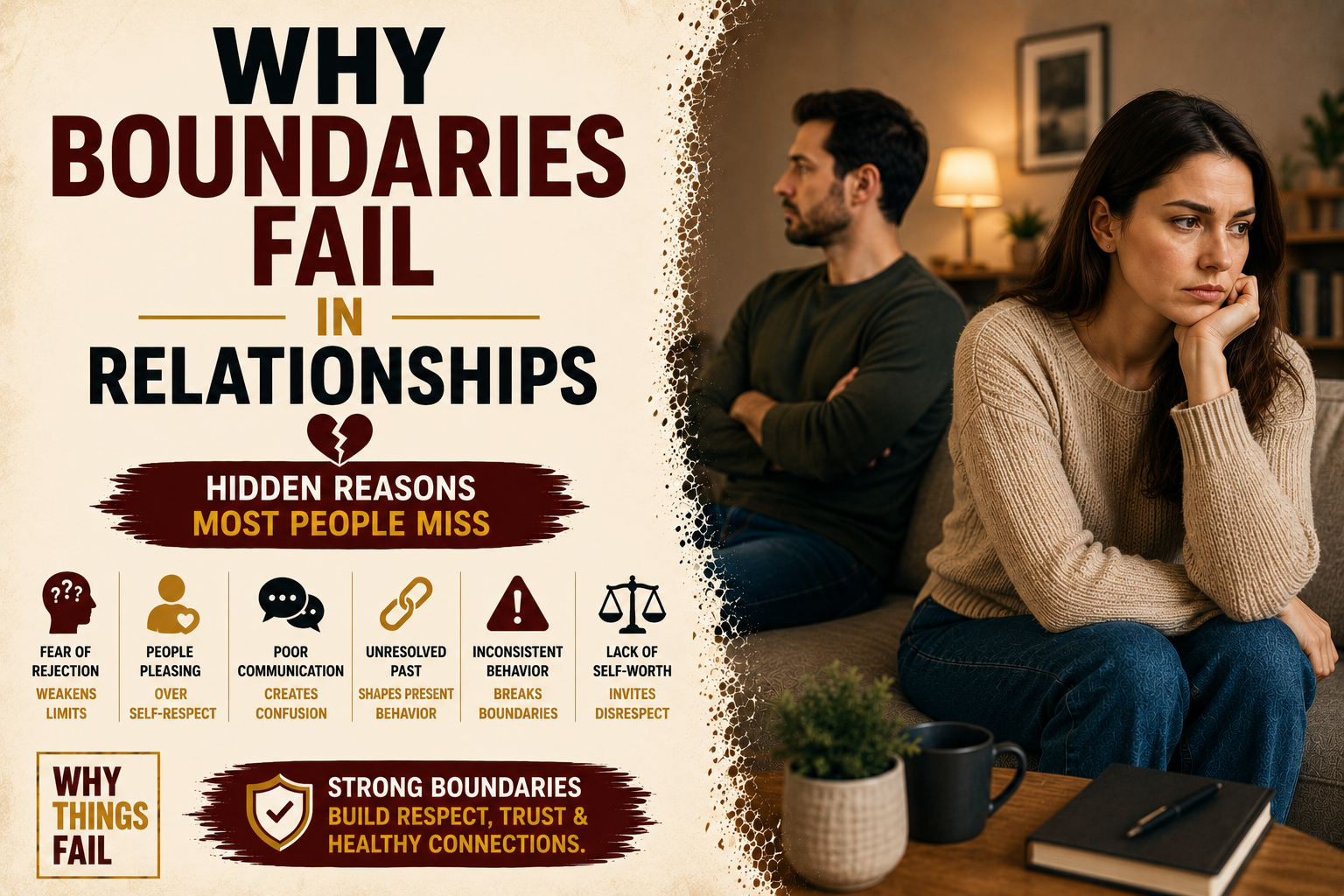
Strong emotional boundaries also matter. Recognising when outside relationships are becoming emotionally intimate allows people to make different decisions before trust is compromised.
Self awareness plays an equally important role. Understanding personal emotional needs, attachment patterns and behavioural triggers helps individuals recognise situations where poor judgement becomes more likely.
Couples who regularly invest in emotional connection through shared experiences, honest conversations and mutual appreciation often strengthen the resilience of their relationship during difficult periods.
None of these actions guarantee perfect relationships.
They simply reduce the conditions that allow emotional distance and poor decisions to develop unnoticed.
Lessons
Infidelity reveals lessons that extend beyond romantic relationships.
The first lesson is that trust rarely disappears overnight. It weakens gradually through repeated decisions that seem insignificant at the time.
Another lesson is that emotional needs should never be dismissed simply because practical responsibilities dominate everyday life. People often assume commitment alone sustains relationships, yet emotional connection requires continuous attention.
A further lesson is that opportunity influences behaviour more than most people acknowledge. Strong values remain essential, but avoiding situations that repeatedly weaken personal boundaries is equally important.
Perhaps the most important lesson is that healthy relationships depend less on avoiding conflict and more on addressing conflict honestly. Silence often creates greater damage than disagreement.
Failure Pattern
The dominant pattern behind infidelity is Emotional Decision Making combined with Weak Boundaries and Poor Communication.
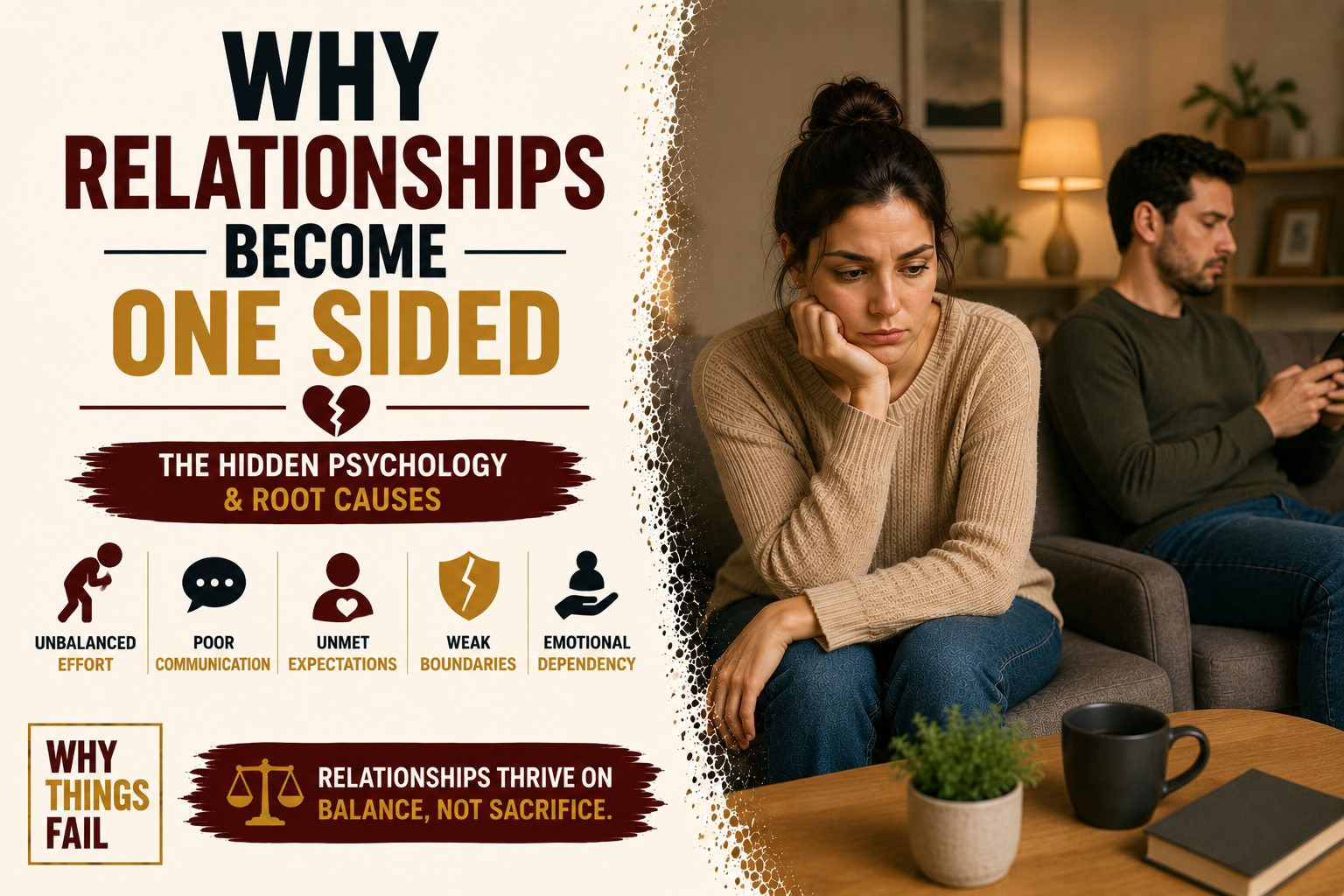
The pattern begins with emotional distance.
Emotional distance creates unmet needs.
Unmet needs increase vulnerability to outside attention.
Outside attention provides validation.
Validation encourages emotional attachment.
Eventually emotional attachment influences behaviour that conflicts with existing commitments.
This pattern appears repeatedly because people often underestimate the cumulative effect of small decisions. They believe betrayal begins with one moment of temptation, when in reality it usually begins with gradual shifts in attention, priorities and emotional investment.
The same behavioural pattern appears in friendships, business partnerships and professional ethics. Small compromises repeated over time often produce consequences that once seemed impossible.
Hidden Lesson
The deepest lesson about infidelity is that betrayal is rarely created by one dramatic decision.
It is usually created by many ordinary decisions that slowly change where emotional energy is invested.
People often focus on the affair because it is visible.
The real story began much earlier.
It began when emotional honesty declined, difficult conversations were avoided and personal boundaries became increasingly flexible.
Understanding this does not remove responsibility.
It explains why infidelity becomes predictable long before it becomes visible.
Failure Scorecard
| Area | Score | Explanation |
| Emotional Discipline | 4/10 | Emotional impulses often outweigh long term commitment. |
| Decision Making | 5/10 | Short term emotional rewards frequently influence judgement. |
| Boundary Management | 4/10 | Personal and emotional boundaries gradually become weaker over time. |
| Long Term Thinking | 4/10 | Immediate emotional satisfaction often receives greater importance than future consequences. |
| Relationship Awareness | 6/10 | Many people recognise problems but underestimate their long term impact. |
| Emotional Control | 4/10 | Validation, loneliness and attraction can influence behaviour during vulnerable periods. |
| Communication | 5/10 | Important conversations are often delayed until emotional distance becomes significant. |
| Adaptability | 6/10 | Relationships that adapt through honest communication recover more effectively than those that avoid difficult discussions. |
Key Takeaways
- Infidelity usually develops gradually rather than suddenly.
- Emotional affairs often begin before physical affairs.
- Unmet emotional needs increase vulnerability but do not remove personal responsibility.
- Opportunity influences behaviour more than many people realise.
- Weak boundaries create conditions where poor decisions become easier.
- Honest communication reduces emotional distance before it becomes damaging.
- Small behavioural compromises often create major consequences over time.
- Trust is preserved through consistent actions rather than assumptions.
Frequently Asked Questions
Why does infidelity happen even in happy relationships?
Some people experience infidelity despite reporting satisfaction with their relationship. Factors such as novelty seeking, personal insecurities, opportunity, poor boundaries and the desire for external validation can influence behaviour independently of overall relationship happiness.
Is infidelity always caused by relationship problems?
No. Relationship difficulties may increase vulnerability, but they do not automatically cause betrayal. Personal values, emotional regulation, impulse control and individual decision making remain important factors.
What is the difference between emotional and physical infidelity?
Emotional infidelity involves forming a deeply intimate emotional connection with someone outside the relationship while reducing emotional intimacy with a partner. Physical infidelity involves sexual intimacy. Many people experience emotional betrayal as equally damaging because trust has already been compromised.
Can warning signs always predict infidelity?
No. Behavioural changes such as emotional withdrawal or increased privacy may have many explanations. Warning signs should encourage honest communication rather than assumptions or accusations.
Can trust be rebuilt after infidelity?
Some relationships recover through accountability, transparency and consistent effort from both partners. Others do not. Recovery depends on the willingness to understand the deeper causes of betrayal rather than addressing only the affair itself.
Conclusion
Infidelity is rarely the result of one irresistible temptation or one unhappy moment. It is more often the visible outcome of gradual psychological changes, shifting emotional priorities, weak boundaries and decisions that quietly reshape a relationship long before trust is broken.
Looking beneath the affair reveals a broader truth. Betrayal becomes understandable not because it is inevitable or acceptable, but because human behaviour follows patterns. Recognising those patterns allows us to understand that the greatest threats to trust are rarely dramatic events. They are the small decisions that slowly change how people think, connect and choose long before anyone notices the consequences.