Introduction
Friendships are among the most valuable relationships people experience throughout life. They provide emotional support, shared memories, encouragement and a sense of belonging. Unlike family relationships, friendships are usually formed through choice rather than obligation, making them feel more authentic and meaningful.
Yet many friendships that once appeared unbreakable quietly disappear.
Some end after a major disagreement. Others fade without any obvious conflict. Messages become less frequent. Meetings become rare. Eventually, two people who once shared every part of their lives become strangers.
This pattern raises an important question.
Why do friendships fail even when neither person intended for the relationship to end?
Many people blame distance, busy schedules or changing priorities. While these factors contribute, they rarely explain the entire story.
The deeper explanation lies in human behaviour.
Friendships rarely collapse because of a single event. They weaken through small behavioural changes, unmet expectations, shifting identities and repeated emotional decisions that gradually reduce trust and connection.
Understanding why friendships do not last requires looking beyond individual arguments. It requires examining how people grow, communicate, manage conflict and respond to changing circumstances over time.
What Is Friendship Failure?
Friendship failure is often misunderstood as simply having an argument or drifting apart.
In reality, disagreement is a normal part of every healthy relationship.
Friendship fails when the relationship can no longer provide mutual trust, emotional safety and genuine connection.
Sometimes the ending is obvious.
A betrayal destroys trust.
A serious conflict remains unresolved.
One person deliberately walks away.
More often, however, friendship ends gradually.
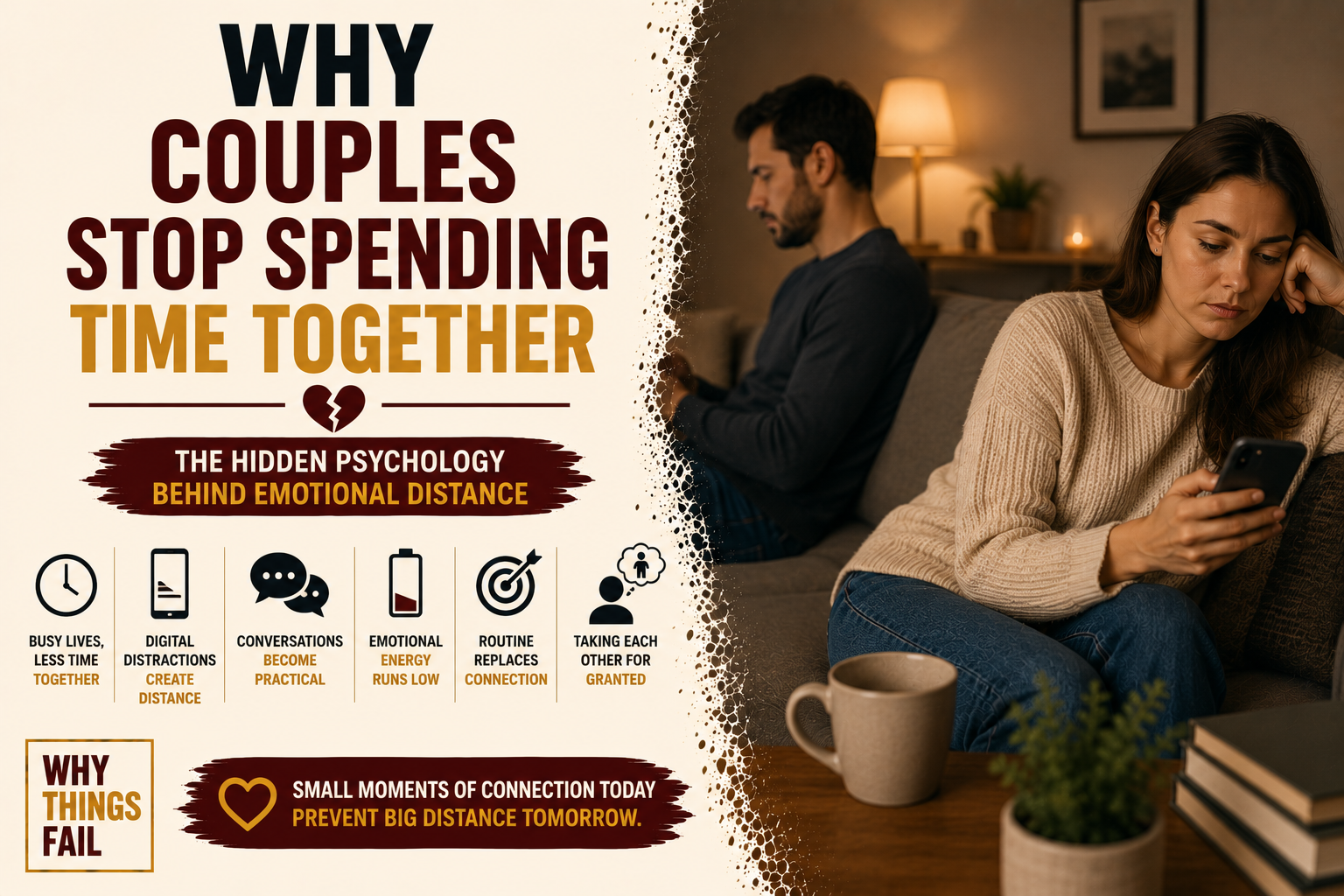
Communication becomes less meaningful.
Shared experiences decrease.
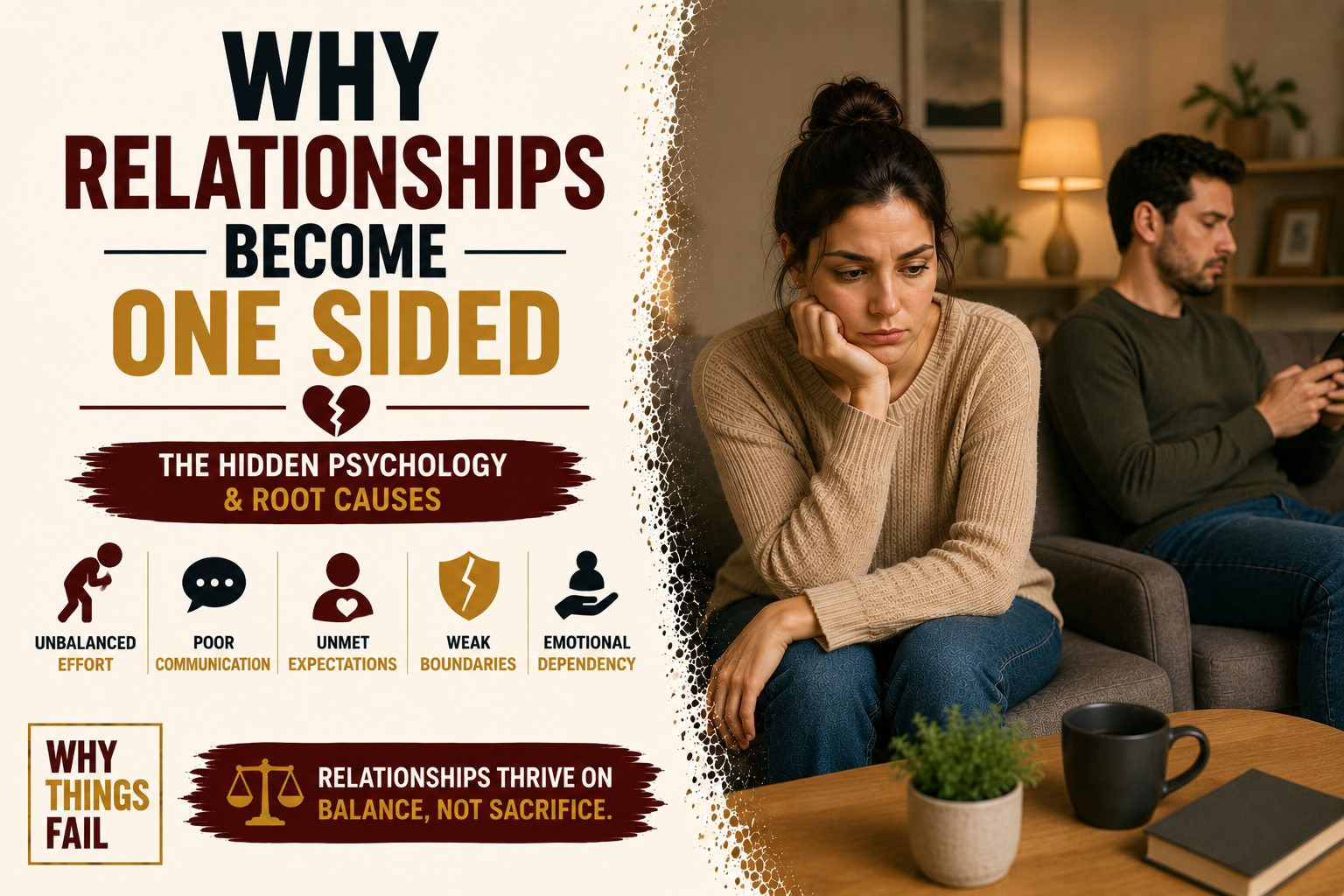
Emotional investment becomes one sided.
Eventually, the relationship exists only through memories rather than ongoing connection.
The failure is not defined by physical distance.
It is defined by emotional distance.
The Biggest Myth
The most common belief is that true friendships last forever.
This idea appears in films, novels and popular culture, creating the expectation that genuine friends never grow apart.
Reality is more complicated.
People constantly change.
Careers evolve.
Families grow.
Personal values shift.
Life priorities change.
Friendship is not protected from these changes simply because two people once shared a close bond.
Healthy friendships require continuous adaptation.
Without mutual effort, even strong relationships gradually weaken as people’s lives begin moving in different directions.
The longevity of a friendship therefore depends less on history and more on whether both individuals continue investing in the relationship as they grow.
What Usually Happens?
Most friendships do not end suddenly.
They fade through a predictable sequence.
Communication becomes less frequent.
Plans are postponed more often.
Conversations become shorter.
Emotional openness declines.
Assumptions replace honest communication.
Small disappointments remain unspoken.
Over time, emotional distance grows until reconnecting begins to feel uncomfortable.
Eventually neither person formally ends the friendship.
The relationship simply disappears through gradual disengagement.
The absence of conflict often makes this process even more confusing because neither individual fully understands when or why the friendship ended.
This gradual fading has been directly measured. Oxford evolutionary psychologist Robin Dunbar found that friendships have a built-in “decay function“ unlike family bonds, they weaken measurably without regular contact, regardless of how close they once were. His research suggests close friendships need roughly monthly contact to stay at that level of intimacy; miss that window for around three years, and a once-close friend typically drifts into “someone you used to know.” Social media slows this decay, Dunbar notes, but doesn’t stop it.
Why Do Friendships Don’t Last?
This is where the deeper investigation begins.
Friendship does not depend solely on shared interests or shared history.
It depends on trust, reciprocity, emotional security and continuous investment.
When these foundations weaken, the relationship gradually loses its ability to survive changing circumstances.
People Change Faster Than Relationships Adapt
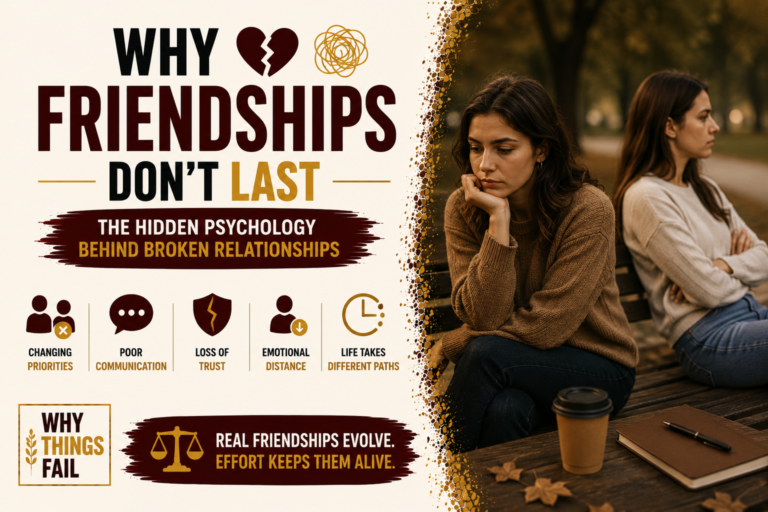
One of the strongest predictors of friendship failure is personal growth occurring at different speeds.
People rarely remain the same throughout adulthood.
New careers introduce different responsibilities.
Marriage changes priorities.
Parenthood transforms daily routines.
Financial circumstances improve or decline.
Personal beliefs evolve through new experiences.
Growth itself is not the problem.
The problem emerges when the friendship fails to adapt alongside that growth.
One friend may continue expecting the same level of availability while the other faces entirely different responsibilities.
Neither person intends harm.
Yet differing expectations quietly create disappointment.
Behavioural psychologists describe this as expectation mismatch.
People judge relationships not only by what happens but also by whether reality matches what they expected.
As expectations drift apart, disappointment gradually replaces appreciation.
Reciprocity Quietly Disappears
Strong friendships are built upon reciprocity.
Both people contribute emotional support.
Both initiate conversations.
Both make sacrifices when necessary.
Both celebrate each other’s successes.
Problems begin when this balance changes.
One friend always sends the first message.
One friend repeatedly adjusts their schedule.
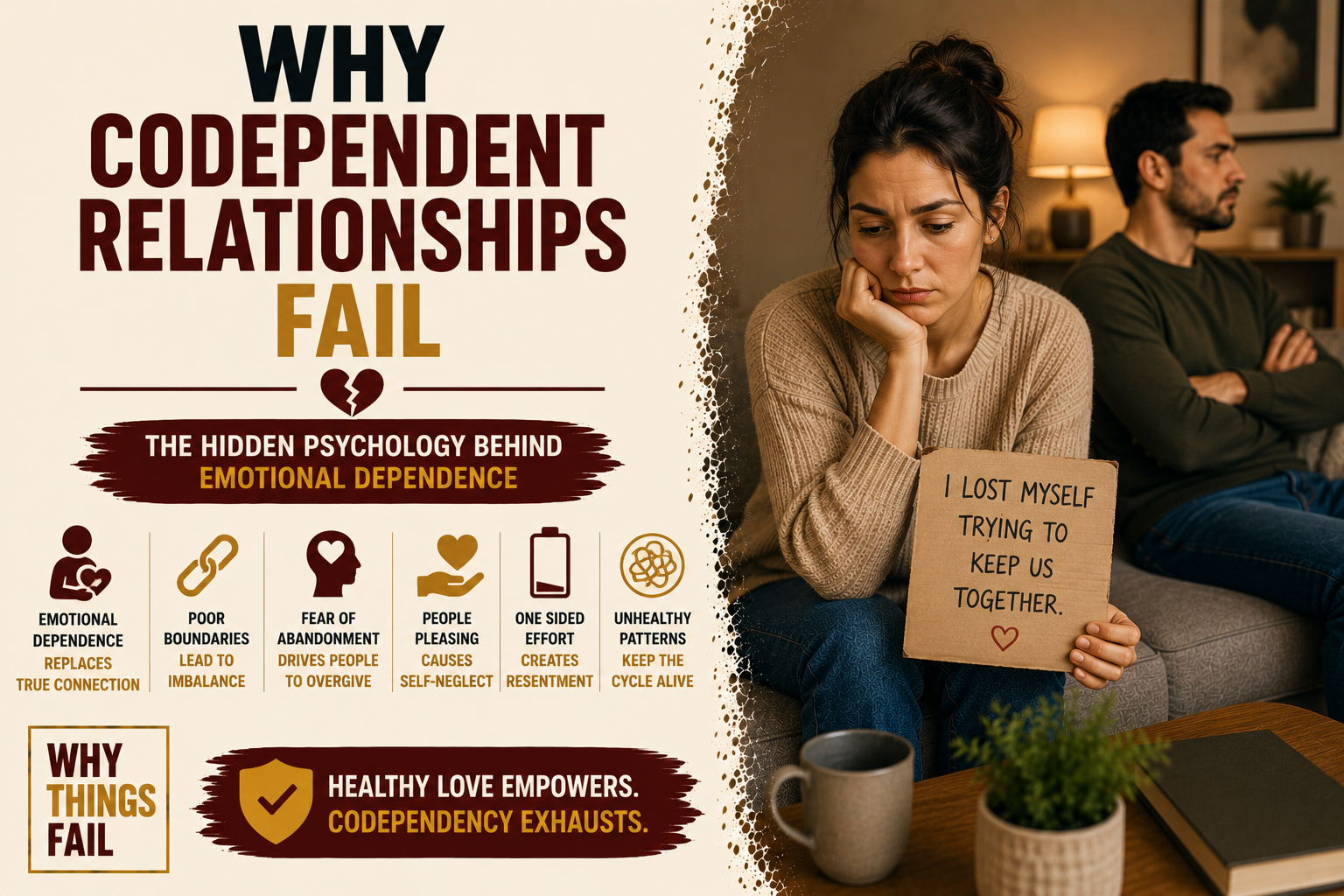
One person consistently provides emotional support while receiving very little in return.
At first these differences appear insignificant.
Over months or years they create emotional exhaustion.
The friendship slowly changes from a mutually rewarding relationship into an unequal emotional responsibility.
Behavioural economics explains this through perceived fairness.
People naturally evaluate whether relationships feel balanced.
Even when nobody consciously measures effort, the brain notices persistent inequality.
Once the relationship feels one sided, motivation to maintain it gradually declines.
Avoiding Conflict Often Creates Bigger Problems
Many people believe avoiding conflict protects friendships.
In reality, avoiding important conversations often accelerates emotional distance.
Small misunderstandings remain unresolved.
Disappointments remain unspoken.
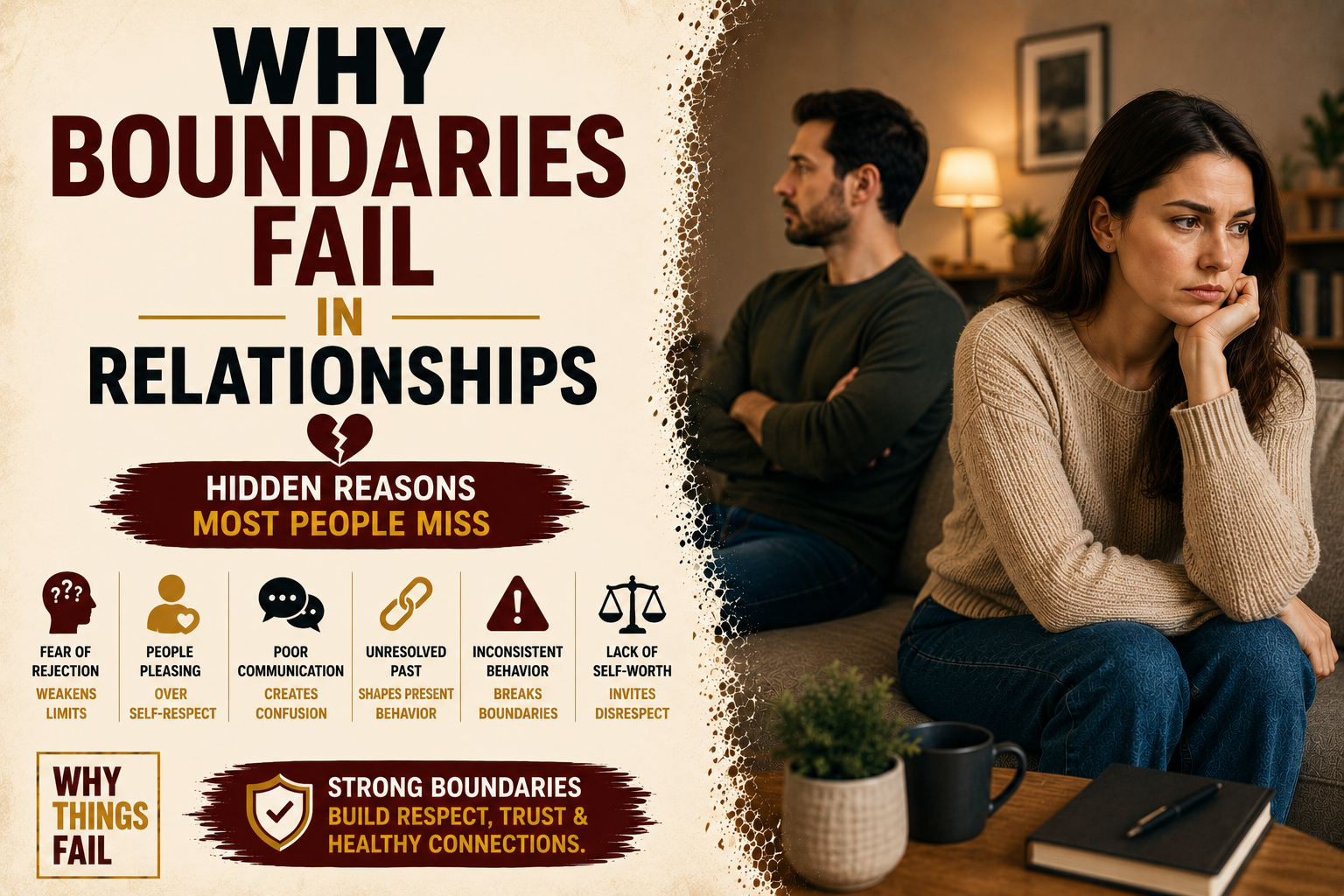
Boundaries remain unclear.
Each unresolved issue quietly reduces trust.
Eventually resentment develops without either person fully understanding why.
Psychologists refer to this as emotional accumulation.
Individual frustrations may seem minor.
Together they create a growing emotional burden that eventually changes how both people interpret future interactions.
A delayed reply no longer feels accidental.
A cancelled meeting feels personal.
Neutral comments begin sounding critical.
The friendship becomes increasingly vulnerable because unresolved emotions influence every new interaction.
Trust Is Built Slowly But Lost Quietly
Most people associate broken trust with dramatic betrayal.
While betrayal certainly destroys friendships, trust more often disappears through consistent small behaviours.
Repeatedly breaking promises.
Sharing private conversations.
Failing to provide support during difficult moments.
Showing interest only when convenient.
Each action slightly reduces confidence in the relationship.
Trust functions much like a savings account.
Small positive behaviours create emotional security over time.
Repeated disappointments gradually withdraw from that reserve.
Eventually the balance becomes too low to sustain genuine connection.
By the time friendship visibly weakens, trust has often been declining for years.
Social Comparison Changes Relationships
Friendships become more complicated when people’s lives begin developing differently.
One friend achieves career success.
Another experiences financial difficulties.
One starts a family.
Another remains single.
One gains public recognition.
Another feels left behind.
Social comparison is a natural psychological process.
People constantly evaluate themselves through comparison with others.
When comparison replaces genuine appreciation, friendships begin carrying feelings of jealousy, insecurity or inadequacy.
These emotions are rarely expressed openly.
Instead they influence behaviour indirectly.
Communication decreases.
Support becomes less enthusiastic.
Distance gradually replaces closeness.
The friendship weakens not because success changed one person but because comparison changed the emotional experience of the relationship.
Emotional Availability Declines With Adult Responsibilities
One of the least discussed reasons friendships fade is limited emotional capacity.
Adults manage careers, relationships, financial responsibilities, parenting and personal challenges simultaneously.
Time becomes scarce.
Emotional energy becomes even scarcer.
Friendships require attention, empathy and meaningful communication.
When emotional resources become limited, people naturally prioritise responsibilities they perceive as most urgent.
Friendships often receive what remains.
This is rarely intentional.
It is the consequence of competing demands on attention and emotional investment.
The danger is that friendships weaken slowly enough for both people to assume they can reconnect later.
Often they discover that emotional distance has already become much harder to overcome.
Warning Signs
Friendships rarely end without warning. The challenge is that most warning signs appear gradually, making them easy to dismiss as temporary changes rather than signs of a weakening relationship.
One of the earliest indicators is a decline in meaningful communication. Conversations become limited to practical matters instead of personal thoughts, emotions and shared experiences. People continue talking, yet genuine connection begins to disappear.
Another warning sign is consistently unequal effort. One friend always initiates conversations, arranges meetings and checks on the other. When responsibility for maintaining the friendship rests with one person, emotional imbalance slowly develops.
Cancelled plans also become more frequent. While everyone becomes busy at different stages of life, repeated cancellations without genuine attempts to reconnect often indicate that the relationship has become a lower priority.
Another overlooked warning sign is the inability to discuss disappointment honestly. Small frustrations remain hidden because both people wish to avoid conflict. Instead of protecting the friendship, silence allows misunderstandings to accumulate until emotional distance feels permanent.
Perhaps the strongest warning sign is emotional indifference. When one person’s successes, struggles or important life events no longer generate genuine interest, the emotional investment that sustained the friendship has already begun to disappear.
People often ignore these signs because they believe history alone will preserve the relationship. In reality, past closeness cannot replace present effort.
What Could Have Prevented It?
Many friendships cannot survive every life transition, but many endings could have been prevented through healthier relationship habits.
Open communication remains one of the strongest protective factors. Honest conversations about changing priorities, expectations and personal challenges prevent assumptions from replacing understanding.
Managing expectations is equally important. Friendships naturally evolve as careers, families and responsibilities change. Expecting a friendship to remain identical throughout different stages of life often creates unnecessary disappointment.
Reciprocity also deserves conscious attention. Healthy friendships require both people to contribute emotional support, time and effort. Small acts of consistency often strengthen relationships more effectively than occasional grand gestures.
Conflict should be viewed as an opportunity for understanding rather than something to avoid. Respectful disagreement allows misunderstandings to be resolved before resentment becomes permanent.
Finally, recognising that friendships require ongoing investment changes how people approach relationships. Trust, communication and emotional closeness are not permanent achievements. They are maintained through repeated everyday choices.
Lessons
Friendship failure reveals broader truths about human relationships and decision making.
The first lesson is that relationships do not survive on history alone. Shared memories create a strong foundation, but only continued effort keeps that foundation relevant as people grow.
The second lesson is that assumptions are often more damaging than disagreements. People frequently expect others to understand their feelings without expressing them. This silent expectation creates disappointment that could have been avoided through honest communication.
Another lesson is that fairness matters emotionally as much as practically. Relationships that consistently feel one sided gradually lose the willingness that sustains long term trust.
Perhaps the most important lesson is that meaningful relationships require adaptation. People who grow together usually accept change as part of friendship rather than viewing change as evidence that the friendship has failed.
Failure Pattern
The dominant pattern behind friendship failure is Emotional Disengagement combined with Unspoken Expectations.
This pattern repeats because people often assume that close relationships can survive without intentional maintenance. As responsibilities increase and priorities shift, communication becomes less frequent, emotional investment decreases and unresolved disappointments quietly accumulate.
Over time, both people continue believing the friendship still exists while behaving in ways that gradually weaken it. By the time either person recognises the emotional distance, rebuilding trust and closeness becomes significantly more difficult.
The same pattern appears in families, business partnerships and professional relationships. Strong connections rarely collapse because of one dramatic event. They weaken through consistent neglect of small emotional responsibilities.
Hidden Lesson
The greatest threat to friendship is rarely conflict.
It is quiet indifference.
Arguments often occur because people still care enough to protect the relationship. Indifference removes the desire to repair, communicate or understand. Once emotional investment disappears, even the strongest shared history struggles to preserve the friendship.
The deeper truth is that friendships rarely end when people stop talking.
They end when people stop making each other feel emotionally important.
Failure Scorecard
| Area | Score | Explanation |
| Trust | 7/10 | Most friendships begin with strong trust, but repeated disappointments gradually weaken confidence. |
| Communication | 5/10 | Honest conversations are often replaced by assumptions and silence. |
| Emotional Awareness | 5/10 | Many people struggle to recognise changing emotional needs within long term friendships. |
| Long Term Commitment | 6/10 | Friendships often receive less attention as other responsibilities increase. |
| Self Awareness | 6/10 | Individuals frequently notice others’ shortcomings before recognising their own contribution to relationship decline. |
| Emotional Control | 6/10 | Jealousy, insecurity and resentment can quietly influence behaviour without open discussion. |
| Mutual Effort | 5/10 | Imbalanced emotional investment commonly develops over time. |
| Adaptability | 4/10 | Many friendships struggle to adjust to changing life stages and evolving priorities. |
Key Takeaways
- Most friendships end gradually rather than suddenly.
- Emotional distance usually develops long before physical distance.
- Unspoken expectations often damage relationships more than open disagreements.
- Reciprocity creates trust and long term stability.
- Avoiding difficult conversations often increases future conflict.
- Personal growth strengthens friendships only when both people adapt together.
- Small consistent actions build stronger friendships than occasional grand gestures.
- Emotional investment determines whether friendships survive changing stages of life.
Frequently Asked Questions
Why do friendships not last?
Most friendships do not last because people change while the relationship remains unchanged. Different priorities, reduced communication, unmet expectations and declining emotional investment gradually weaken the connection.
Is it normal for friendships to end?
Yes. Friendships naturally evolve as people experience different stages of life. Ending does not always mean the relationship failed. Some friendships simply fulfil different purposes at different times.
What is the biggest reason friendships fail?
The biggest reason is gradual emotional disengagement. Trust weakens, communication declines and unresolved disappointments accumulate until maintaining the relationship no longer feels natural.
Can broken friendships be repaired?
Many can be repaired if both people remain willing to communicate honestly, acknowledge misunderstandings and rebuild trust through consistent actions rather than promises alone.
Why do people grow apart even without conflict?
Growth changes priorities, identities and responsibilities. Without conscious effort to adapt together, emotional connection slowly weakens even when neither person intends to end the friendship.
Conclusion
Friendships rarely disappear because of one conversation, one disagreement or one mistake. They usually fade through countless small decisions, changing priorities and unspoken expectations that quietly reduce trust and emotional closeness over time.
Understanding why friendships do not last reveals a broader truth about human relationships. Lasting connection is not preserved by shared history alone but by the continuous willingness to understand, adapt and invest in one another as life changes.