Why Startups Fail?
Startups don’t just fail because they run out of cash. Discover the deeper patterns of startup failure, from premature scaling to building solutions for unpainful problems.
Startups don’t just fail because they run out of cash. Discover the deeper patterns of startup failure, from premature scaling to building solutions for unpainful problems.
Thomas Cook didn’t just fail because of online booking. Discover how a 178-year-old travel giant collapsed under heavy debt, complex operations, and slow adaptation.
Toys R Us didn’t just fail because of Amazon. Discover how heavy debt, delayed digital strategy, and a lack of store experience brought down a retail giant.
An in-depth case study of why Vine failed. Discover how a lack of creator monetization, strategic mismatches under Twitter, and a failure to build a sustainable ecosystem doomed the app

Discover why Yahoo failed as an internet giant. An in-depth look at how a lack of focus, strategic identity crisis, and misjudging Google led to its decline.
An in-depth case study analyzing why Windows Phone failed. Discover how late entry, ecosystem dynamics, and strategic missteps led to the downfall of Microsoft’s mobile OS.
An in-depth case study analyzing why WeWork failed. Discover how a structural mismatch between long-term leases and short-term memberships, artificial tech valuations, and weak governance led to its historic bankruptcy.
Explore the real reasons behind the collapse of Woolworths UK. Discover how strategic drift, lost relevance, and replaceability led to the high street giant’s failure long before the 2008 financial
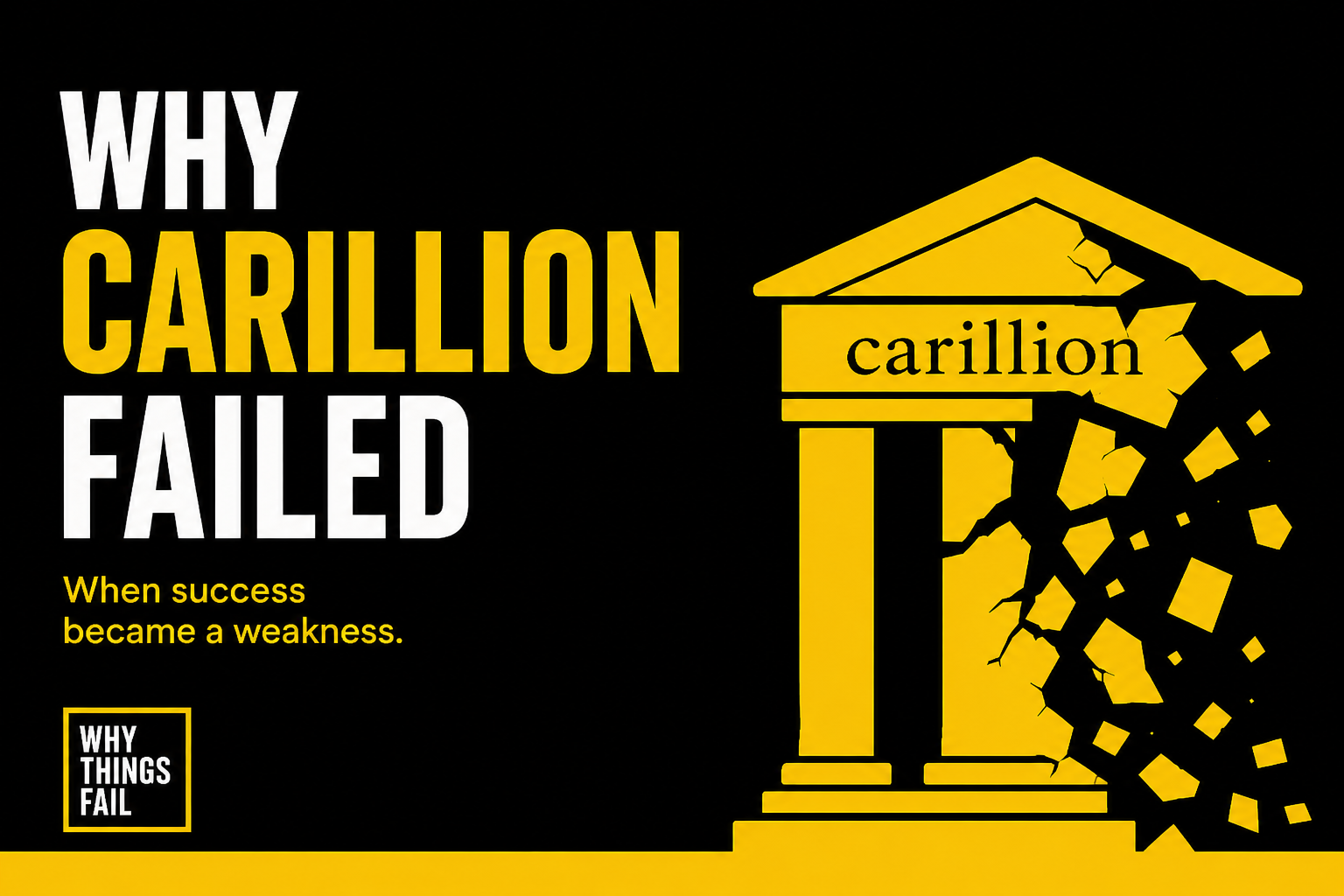
Introduction: Why This Failure Matters Carillion did not fail like a normal company. It was not a small business that ran out of customers. It was not a startup that
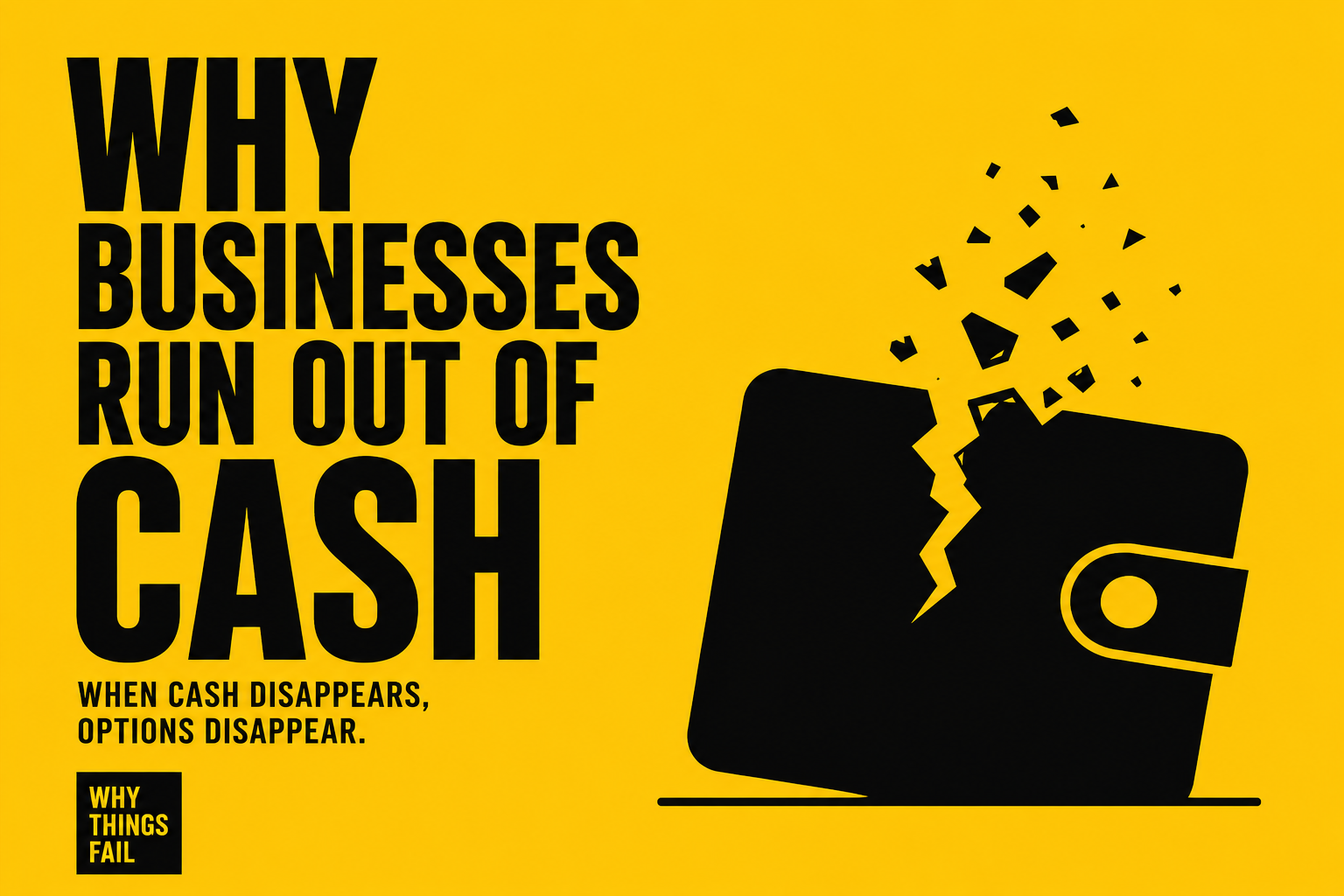
Introduction: Cash Is Where Business Failure Becomes Real Businesses rarely fail all at once. They usually fail gradually, then suddenly. For months, sometimes years, the business appears alive. Sales continue.
Quick Answer Consistency is hard because the human brain naturally prefers immediate rewards over delayed results. Emotional decision making, present bias, poor habit formation, changing
Quick Answer Recovery gets ignored because people naturally focus on preventing failure rather than rebuilding after it. Fear, emotional exhaustion, overconfidence, social pressure and short
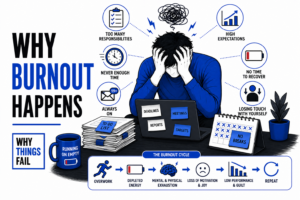
Quick Answer Burnout happens when chronic stress, emotional pressure and constant demands exceed a person’s ability to recover. It is rarely caused by working long
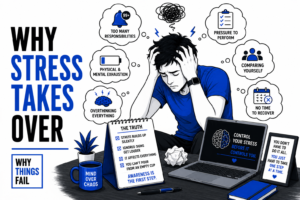
Quick Answer Stress takes over when the brain repeatedly perceives situations as threats without enough time to recover. Over time, the body’s stress response becomes
Quick Answer Consistency is hard because the human brain naturally prefers immediate rewards over delayed results. Emotional decision making, present bias, poor habit formation, changing
Quick Answer Recovery gets ignored because people naturally focus on preventing failure rather than rebuilding after it. Fear, emotional exhaustion, overconfidence, social pressure and short
Quick Answer Burnout happens when chronic stress, emotional pressure and constant demands exceed a person’s ability to recover. It is rarely caused by working long
Quick Answer Stress takes over when the brain repeatedly perceives situations as threats without enough time to recover. Over time, the body’s stress response becomes
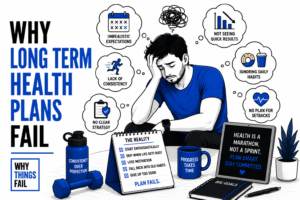
Quick Answer Long term health plans fail because people struggle to maintain consistent behaviours over time rather than lacking knowledge about healthy living. Emotional decision
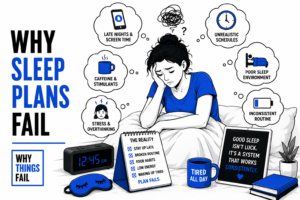
Introduction Millions of people begin a new sleep plan every year believing that better sleep is only a few nights away. They buy sleep tracking