Quick Answer
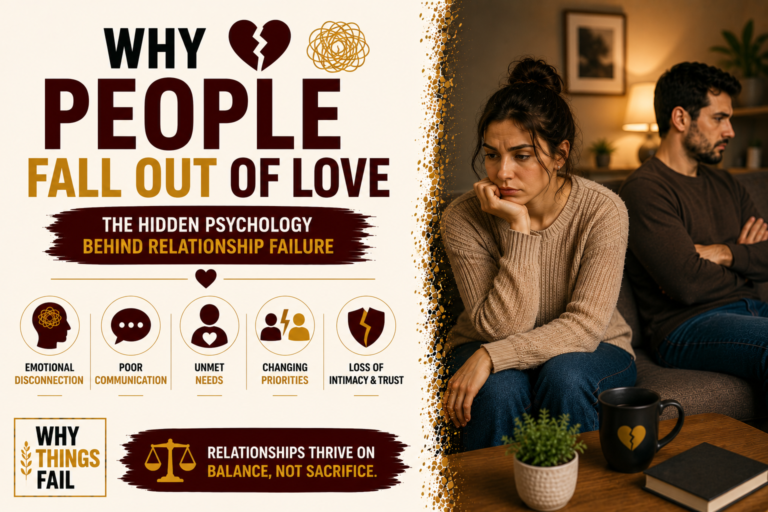
People rarely fall out of love because of one argument or one mistake. Love usually fades through a gradual process of emotional disconnection, unmet psychological needs, poor communication, changing priorities and repeated behavioural patterns that weaken trust, intimacy and commitment over time.
Introduction
Most relationships do not end because love disappears overnight.
They end because small emotional changes accumulate until two people no longer experience the relationship in the same way.
This process is often confusing because couples remember a time when the relationship felt effortless. Conversations flowed naturally. Affection felt genuine. Shared experiences created excitement rather than obligation.
Then something changed.
Sometimes there is no obvious event. No betrayal. No dramatic argument. Yet the emotional connection slowly weakens until one or both partners begin questioning whether they are still in love.
This raises an important question.
Why do people fall out of love even when they once cared deeply for each other?
The common explanation is that people simply change.
While this is partly true, it ignores the deeper behavioural and psychological processes that influence long term relationships.
Love is not maintained by feelings alone.
It is shaped by habits, communication, emotional safety, expectations, personal growth and the choices people make every day.
Understanding why people fall out of love requires looking beyond romantic ideals. It requires examining how human behaviour, emotional needs and relationship dynamics gradually influence the strength of emotional attachment.
What Is Falling Out Of Love?
Falling out of love is often misunderstood as the complete disappearance of affection.
In reality, it is usually a gradual reduction in emotional connection, intimacy and commitment.
People rarely wake up one morning with no feelings for their partner.
Instead, emotional closeness slowly gives way to emotional distance.
Shared experiences become routine.
Meaningful conversations become less frequent.
Small disappointments remain unresolved.
Trust weakens.
Affection becomes inconsistent.
Over time, partners may still care about one another while no longer experiencing the emotional closeness that once defined the relationship.
This distinction matters because relationship failure is rarely caused by the absence of love alone.
It is often caused by the gradual erosion of the conditions that allowed love to grow.
The Biggest Myth
The most common belief is that true love should always feel effortless.
Many films, novels and social media narratives reinforce the idea that the right relationship naturally maintains passion, happiness and emotional closeness without deliberate effort.
This expectation creates unrealistic standards.
Every long term relationship experiences periods of routine, stress and emotional distance.
The difference between lasting relationships and failing relationships is not the absence of challenges.
It is how partners respond to those challenges.
Psychological research consistently shows that healthy relationships depend less on constant romance and more on communication, emotional responsiveness, mutual respect and the ability to adapt as individuals grow.
Love is therefore not simply an emotion.
It is an ongoing process influenced by behaviour and shared experiences.
What Usually Happens?
Relationship decline usually follows a predictable pattern.
Partners begin with strong emotional and physical attraction.
Shared experiences strengthen trust.
Daily responsibilities gradually increase.
Work, family commitments, financial pressures and personal responsibilities begin competing for attention.
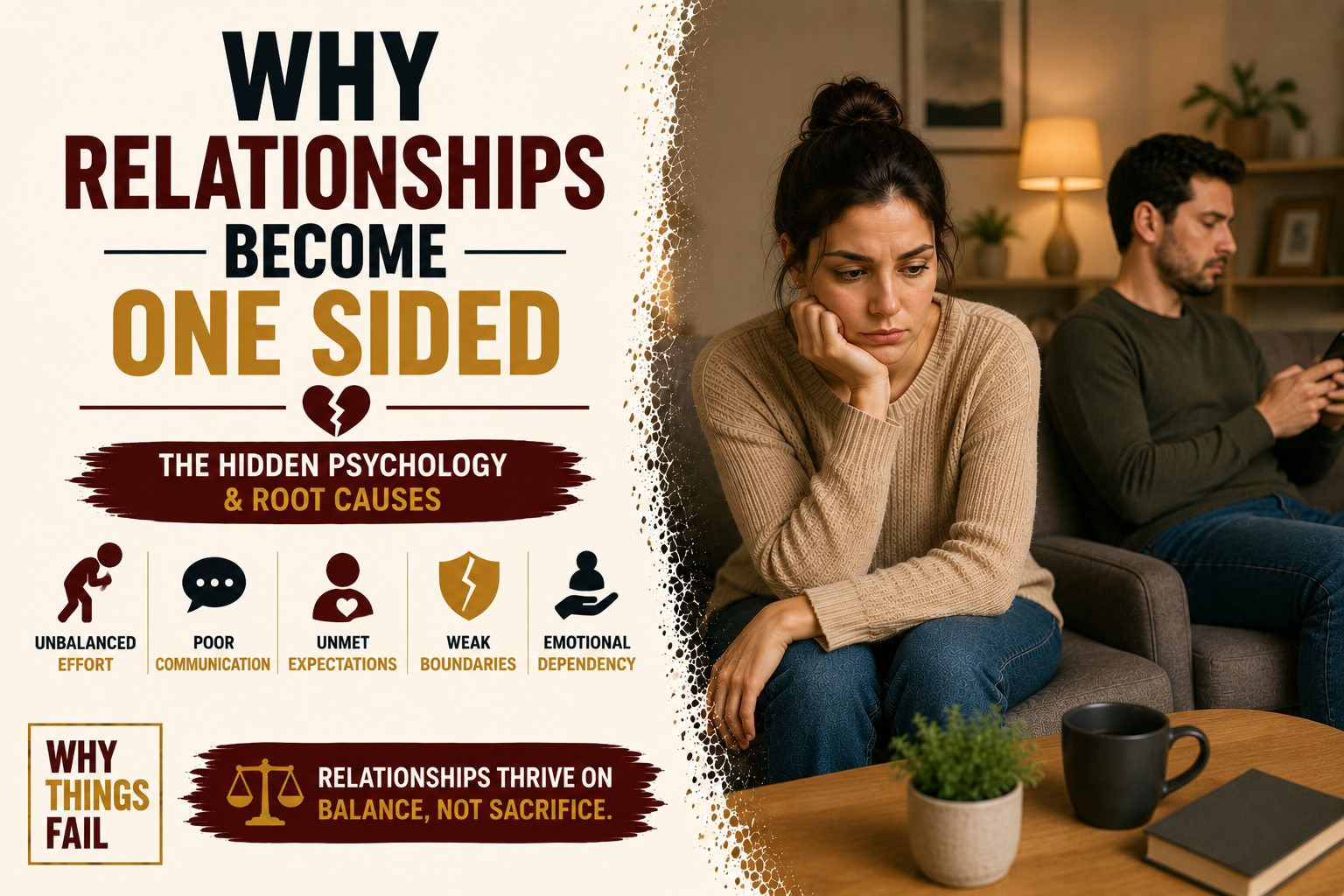
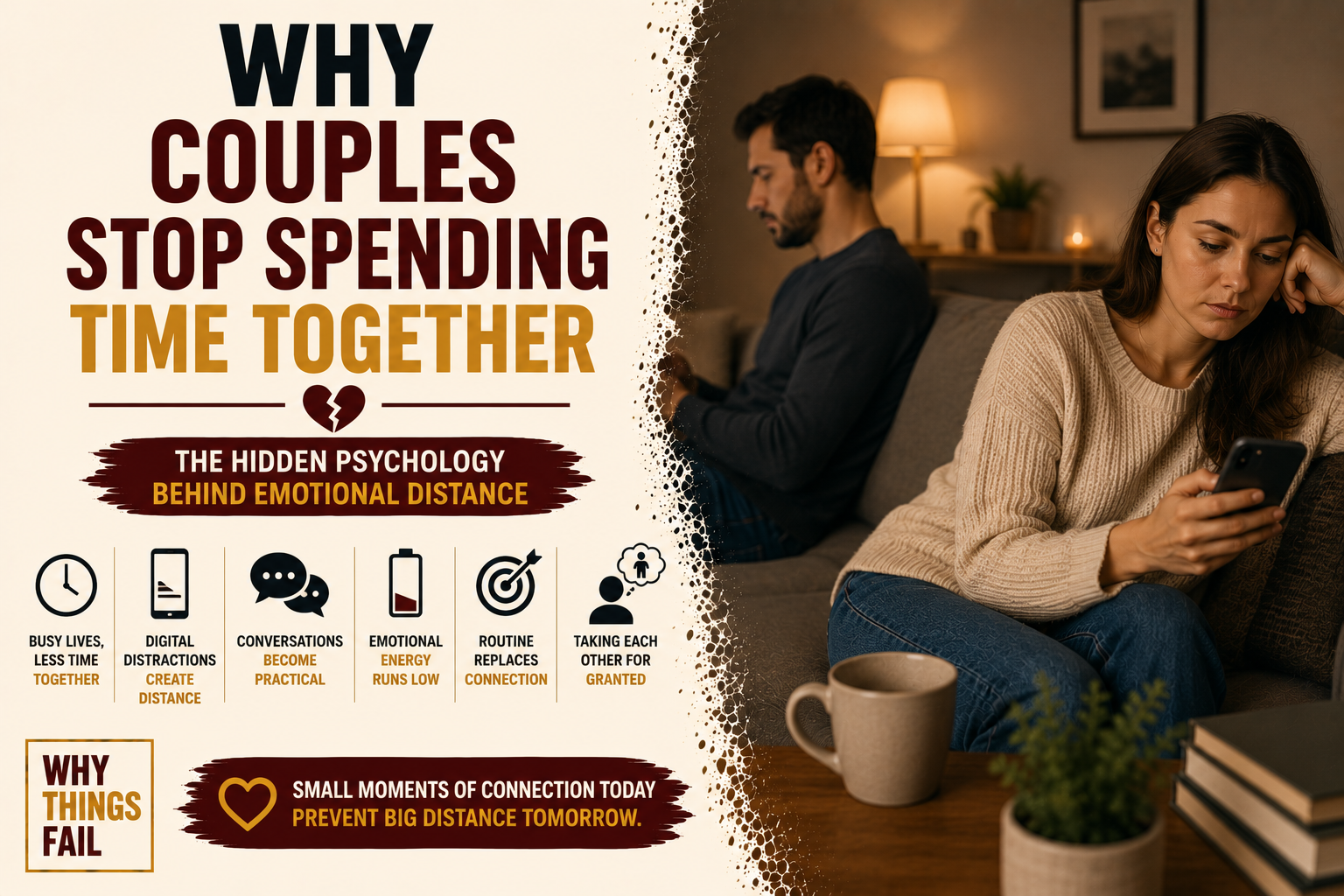
Communication becomes more functional than emotional.
Small frustrations remain unresolved.
Emotional distance slowly replaces emotional closeness.
Eventually, one or both partners begin feeling misunderstood, unappreciated or disconnected.
Although every relationship is unique, the progression often follows the same behavioural pattern.
Relationships rarely collapse because of one difficult conversation.
They weaken through many small moments of emotional neglect that accumulate over time.
Why Do People Fall Out Of Love?
This is where the deeper investigation begins.
Relationships are not destroyed solely by conflict.
Many healthy couples disagree regularly while maintaining strong emotional bonds.
The greater threat is emotional disconnection.
When emotional needs remain unmet for extended periods, relationships gradually lose the sense of safety, appreciation and intimacy that once sustained them.
Understanding why this happens requires examining human psychology rather than simply relationship advice.
Emotional Connection Requires Continuous Investment
Many people assume that once love has been established, it will naturally continue.
This assumption creates one of the most common relationship mistakes.
Emotional connection is not permanent.
It depends upon regular expressions of appreciation, trust, empathy and shared experiences.
When these behaviours become less frequent, emotional intimacy gradually weakens.
Partners often interpret this change as falling out of love.
In reality, they may simply be experiencing the consequences of emotional neglect.
Love rarely disappears before connection does.
Connection usually disappears first.
Familiarity Changes Emotional Perception
Psychologists describe a process known as hedonic adaptation, where people gradually become accustomed to positive experiences.
This principle affects relationships as much as financial success.
The excitement of a new relationship naturally declines over time.
Conversations become predictable.
Daily routines replace novelty.
Partners begin noticing responsibilities more often than positive qualities.
The relationship has not necessarily become worse.
The brain has simply adapted to what once felt extraordinary.
Without new shared experiences, meaningful conversations and intentional emotional investment, familiarity can quietly reduce appreciation.
Many people mistake this psychological adaptation for falling out of love.
Unmet Emotional Needs Create Emotional Distance
Every individual has emotional needs.
Some value reassurance.
Others seek appreciation.
Some need quality time.
Others value physical affection or emotional support during difficult periods.
Problems begin when these needs remain consistently unmet.
The issue is rarely one forgotten anniversary or one disappointing conversation.
It is the repeated experience of feeling emotionally unseen.
Over time, disappointment becomes expectation.
Expectation becomes emotional withdrawal.
Eventually, emotional withdrawal becomes emotional detachment.
By this stage, partners often believe love has disappeared.
The deeper reality is that emotional needs have remained unanswered for so long that emotional closeness has gradually faded.
Communication Problems Rarely Begin With Arguments
Many people believe relationships fail because couples argue too much.
Research suggests a more complex explanation.
Healthy couples often disagree.
Unhealthy relationships frequently stop communicating altogether.
Silence can become more damaging than conflict.
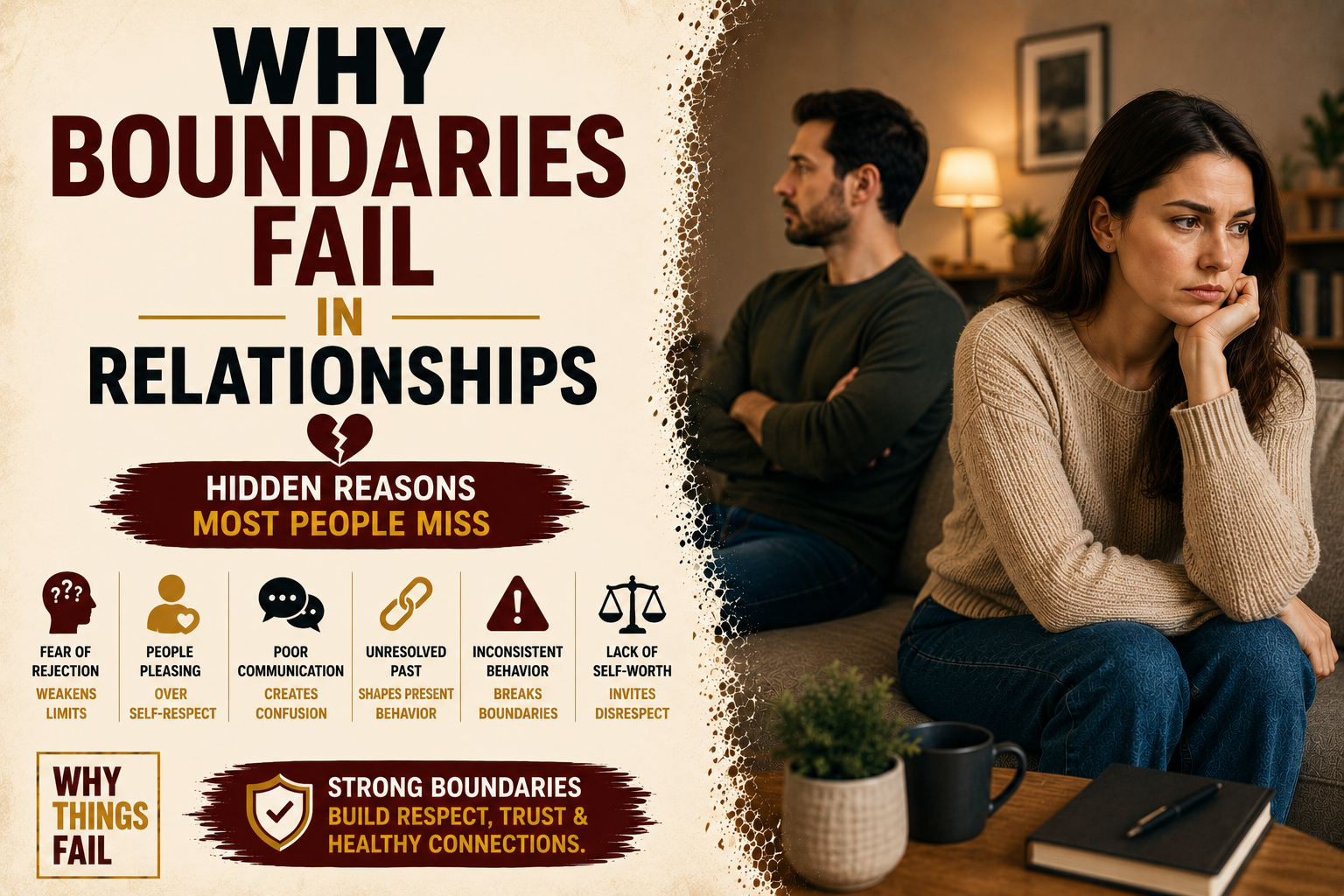
People avoid difficult conversations because they fear rejection, criticism or emotional discomfort.
Temporary peace feels easier than uncomfortable honesty.
Unfortunately, unresolved concerns rarely disappear.
They accumulate.
Each avoided conversation creates additional emotional distance until meaningful communication becomes increasingly difficult.
By the time serious discussions finally occur, months or even years of unresolved emotions may already exist.
Expectations Quietly Shape Relationship Satisfaction
Expectations influence relationships more than many people realise.
Some expectations are realistic.
Others are shaped by childhood experiences, cultural beliefs, previous relationships or unrealistic portrayals of romance.
Problems arise when expectations remain unspoken.
Partners assume the other person should naturally understand their emotional needs.
When those expectations are not met, disappointment follows.
Instead of discussing the issue openly, many people interpret disappointment as evidence that love is fading.
The underlying problem is often not the absence of love.
It is the absence of clear communication about expectations.
Emotional Safety Determines Long Term Connection
One of the strongest predictors of lasting relationships is emotional safety.
People remain emotionally connected when they feel respected, understood and accepted without fear of constant judgement.
Criticism, contempt, defensiveness and emotional withdrawal gradually weaken this sense of safety.
Once emotional safety declines, vulnerability becomes increasingly difficult.
Partners begin protecting themselves rather than connecting with each other.
This behavioural shift fundamentally changes the relationship.
The goal quietly moves from building intimacy to avoiding emotional pain.
When emotional safety disappears, emotional distance usually follows.
Warning Signs
Relationships rarely fail without warning. The difficulty is that these warning signs often appear gradually, making them easy to dismiss as temporary phases rather than indicators of deeper emotional change.
One of the earliest signs is the decline of meaningful conversation. Discussions become centred on daily responsibilities instead of personal thoughts, emotions or shared dreams. Partners continue talking, but they stop feeling understood.
Another warning sign is emotional indifference. Small acts of kindness that once felt important begin receiving little appreciation. Likewise, moments of disappointment no longer trigger honest conversations because one or both partners assume nothing will change.
Reduced curiosity is another powerful indicator. Partners stop asking questions about each other’s ambitions, worries or experiences because they believe they already know everything about one another. This assumption quietly limits emotional growth.
Conflict avoidance also deserves attention. Many couples interpret fewer arguments as evidence of a healthy relationship. In reality, avoiding important conversations may signal emotional withdrawal rather than harmony.
Perhaps the clearest warning sign is the gradual loss of emotional priority. Work, technology, friendships and personal commitments begin receiving more attention than the relationship itself. Emotional neglect rarely feels intentional, yet repeated neglect slowly weakens emotional intimacy.
These signs are often ignored because relationships usually deteriorate slowly. Each individual change appears manageable, but together they create a pattern that becomes increasingly difficult to reverse.
What Could Have Prevented It?
Most relationships cannot avoid stress, disagreement or personal change.
What often prevents relationship failure is not the absence of problems but the presence of healthy responses.
Regular emotional communication allows concerns to be addressed before disappointment becomes resentment. Couples who create opportunities to discuss their emotional needs are more likely to recognise problems while they remain manageable.
Maintaining curiosity is equally important. People continue changing throughout life. Relationships remain emotionally engaging when partners continue learning about each other’s evolving goals, fears and perspectives instead of assuming they already know everything.
Shared experiences also strengthen emotional connection. Novel activities, meaningful conversations and common goals interrupt routine and remind partners why they originally enjoyed spending time together.
Emotional accountability plays a significant role as well. Healthy relationships encourage individuals to recognise their own behavioural patterns rather than placing complete responsibility on their partner. This creates cooperation instead of blame.
Most importantly, relationships benefit when emotional maintenance becomes intentional rather than accidental. Love may begin naturally, but long term emotional connection usually depends upon consistent behaviours that reinforce trust, appreciation and psychological safety.
Lessons
The reasons people fall out of love reveal broader truths about human behaviour.
The first lesson is that relationships are influenced more by repeated behaviours than isolated moments. Grand romantic gestures rarely compensate for everyday emotional neglect.
The second lesson is that emotional connection requires continuous attention. Just as physical health depends upon consistent habits, emotional intimacy depends upon regular communication, appreciation and mutual understanding.
Another lesson is that assumptions often damage relationships more than disagreement. Partners who stop expressing their needs begin expecting their thoughts to be understood without explanation. This expectation frequently creates unnecessary disappointment.
Perhaps the most enduring lesson is that emotional security grows through small daily actions rather than extraordinary events. Trust, respect and emotional availability accumulate gradually, just as emotional distance does.
Failure Pattern
The dominant pattern behind relationship failure is Emotional Neglect combined with Poor Communication and Short Term Thinking.
This pattern appears repeatedly because people naturally respond to immediate pressures while overlooking gradual emotional change.
Work responsibilities, financial concerns and daily routines receive urgent attention because they demand immediate action. Emotional connection develops more quietly and therefore receives less deliberate investment.
As communication declines, assumptions replace understanding. Small disappointments remain unresolved. Emotional distance increases while both partners continue believing the relationship will improve naturally.
The same behavioural pattern appears in friendships, families, business partnerships and organisations. Strong relationships weaken not because one dramatic event destroys them, but because small acts of neglect accumulate until trust and connection gradually disappear.
Hidden Lesson
People rarely fall out of love because love suddenly ends.
They fall out of the habits that allowed love to survive.
Love is not sustained by memories of the past.
It is sustained by repeated behaviours that create emotional safety, appreciation and connection in the present.
The deepest truth is that relationships usually fail long before they officially end. The emotional separation often begins months or years earlier through conversations that never happened, needs that were never expressed and feelings that were never acknowledged.
Failure Scorecard
| Area | Score | Explanation |
| Emotional Discipline | 5/10 | Many people react emotionally instead of communicating thoughtfully during difficult periods. |
| Decision Making | 6/10 | Relationship decisions are often influenced by assumptions rather than honest conversations. |
| Risk Management | 5/10 | Emotional risks such as resentment and neglect are frequently ignored until they become serious. |
| Long Term Thinking | 4/10 | Daily responsibilities often receive greater attention than maintaining long term emotional connection. |
| Relationship Knowledge | 6/10 | Many people understand the importance of communication but struggle to practise it consistently. |
| Emotional Control | 5/10 | Fear, pride and insecurity often influence behaviour more than empathy and understanding. |
| Planning | 4/10 | Few couples intentionally discuss how their relationship should adapt as life changes. |
| Adaptability | 6/10 | Strong relationships evolve with changing circumstances, while weaker ones resist necessary change. |
Key Takeaways
- People rarely fall out of love because of one event. Emotional distance develops gradually.
- Emotional connection weakens when communication becomes routine instead of meaningful.
- Unspoken expectations often create greater disappointment than genuine incompatibility.
- Familiarity can reduce appreciation unless couples continue creating shared experiences.
- Emotional safety encourages honesty, vulnerability and lasting intimacy.
- Small acts of neglect accumulate just as small acts of kindness strengthen relationships.
- Healthy relationships depend upon continuous emotional investment rather than initial attraction.
- Long term love is maintained through consistent behaviour more than powerful feelings.
Frequently Asked Questions
Why do people suddenly fall out of love?
In most cases, it only appears sudden. Emotional distance usually develops over months or years through poor communication, unmet emotional needs and declining intimacy before becoming noticeable.
Can people fall back in love?
Yes. If emotional trust, communication and mutual commitment remain present, many relationships can rebuild emotional connection by addressing the behavioural patterns that created distance.
What is the biggest reason people fall out of love?
The most common reason is gradual emotional disconnection. When appreciation, communication and emotional safety decline, feelings of closeness often weaken as well.
Is falling out of love normal?
Long term relationships naturally experience periods of reduced passion. Falling out of love is not inevitable, but emotional connection requires ongoing attention rather than assuming it will maintain itself.
How can couples recognise emotional distance early?
Reduced meaningful conversations, emotional indifference, unresolved conflicts, declining curiosity and spending less quality time together are common early signs that emotional connection is weakening.
Conclusion
People rarely fall out of love because one dramatic moment changes everything. Relationships usually decline through a series of ordinary decisions, unspoken expectations and overlooked emotional needs that quietly reshape the connection between two people.
Understanding this changes the way relationship failure is viewed. Love is not simply lost. It is gradually weakened when the behaviours that create trust, intimacy and emotional safety are no longer consistently practised. That perspective explains not only why relationships end, but why lasting relationships continue to thrive despite life’s inevitable challenges.