
Quick Answer
Unresolved conflict destroys relationships because it weakens trust, damages emotional safety and creates patterns of resentment, avoidance and poor communication. The conflict itself is rarely the greatest problem. The real danger is allowing unresolved issues to become permanent emotional barriers that gradually disconnect two people.
Introduction
Every relationship experiences conflict.
Couples disagree about money, parenting, careers, household responsibilities and personal expectations. Friends misunderstand one another. Families argue. Business partners clash over decisions.
Conflict is not unusual.
In many healthy relationships, disagreement actually strengthens trust because difficult conversations lead to greater understanding.
The real danger begins when conflict remains unresolved.
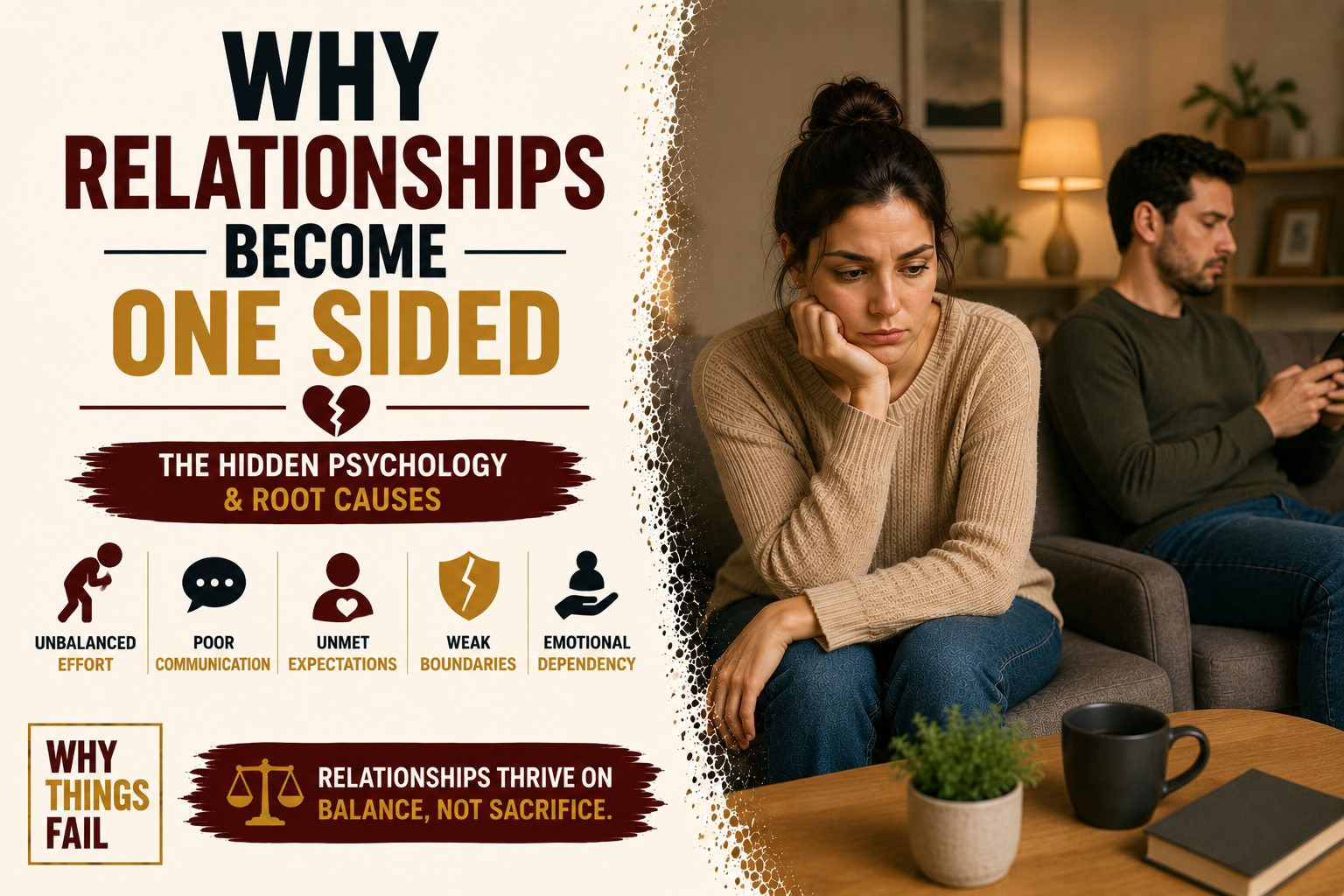
Instead of solving problems, people begin avoiding them. Conversations become shorter. Emotional distance grows. Small disagreements quietly transform into lasting resentment.
By the time many relationships end, the final argument is rarely the true cause.
It is simply the moment when years of unresolved emotions finally become impossible to ignore.
This raises an important question.
Why do intelligent, caring people allow relatively small conflicts to grow into problems that eventually destroy trust, intimacy and connection?
The answer lies far deeper than communication alone.
It involves psychology, emotional safety, behavioural patterns and the human tendency to avoid short term discomfort even when doing so creates much greater pain in the future.
What Is Unresolved Conflict?
Unresolved conflict is not simply an argument that ends badly.
It is a disagreement that remains emotionally unfinished.
The immediate conversation may stop, but the emotional issue continues beneath the surface.
One person may avoid discussing the problem.
Another may suppress disappointment to keep the peace.
Someone else may forgive verbally while continuing to carry resentment internally.
Over time these unresolved emotions accumulate.
Each unresolved disagreement becomes part of a larger emotional history that influences future conversations.
Eventually people stop reacting only to the present issue.
They begin reacting to every previous unresolved experience as well.
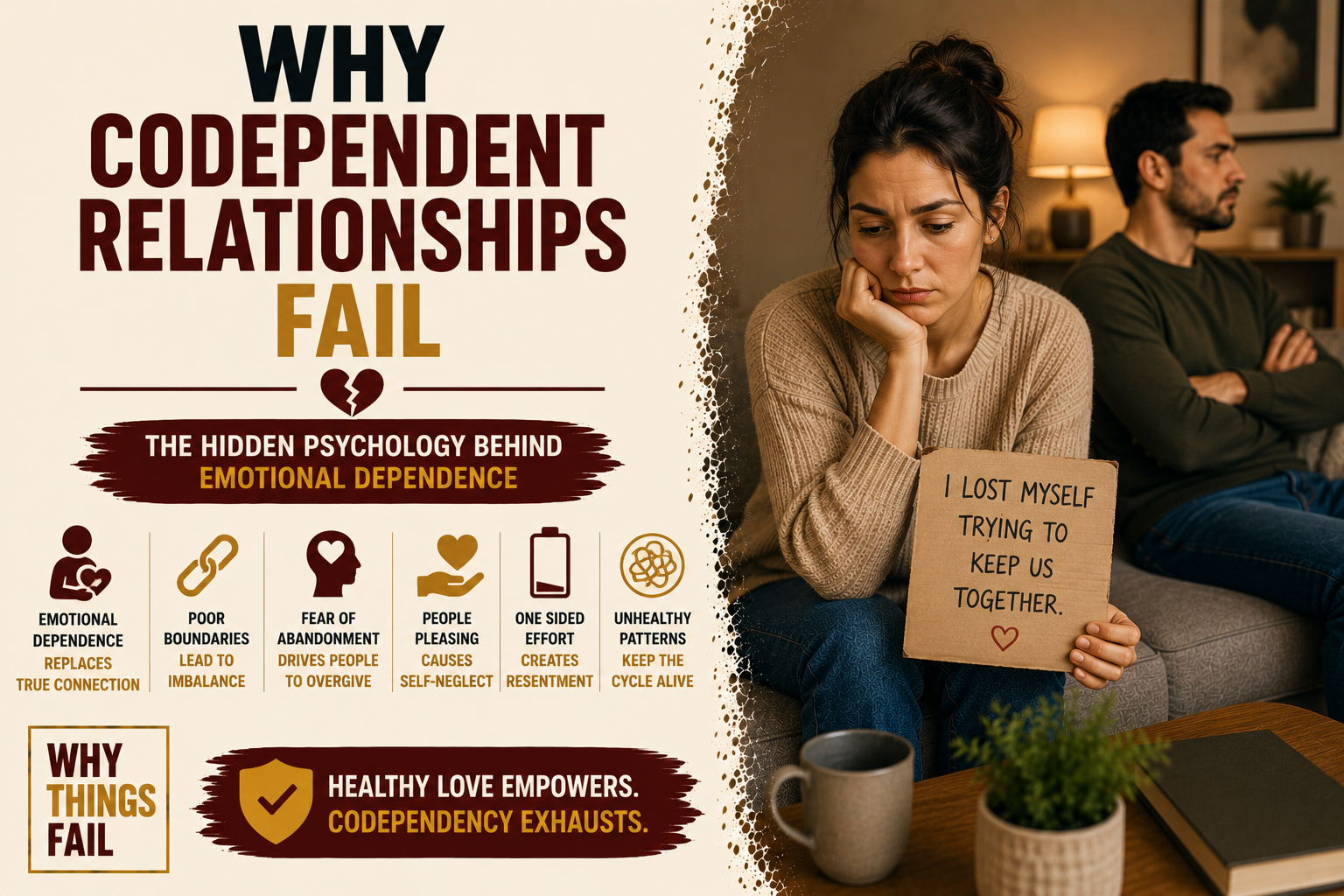
The relationship slowly shifts from solving problems together to protecting oneself from further emotional pain.
The Biggest Myth
The most common belief is that conflict destroys relationships.
Research into relationship psychology suggests something different.
Healthy relationships experience conflict just as often as unhealthy ones.
The difference lies in how conflict is handled.
Avoiding difficult conversations does not protect a relationship.
It often weakens it.
Many people believe silence represents peace.
In reality, silence frequently represents postponed conflict.
The absence of arguments should not automatically be mistaken for the presence of emotional health.
Relationships rarely fail because two people disagree.
They fail because disagreement gradually removes trust, understanding and emotional security when it remains unresolved.
What Usually Happens?
The pattern is surprisingly consistent.
A disagreement occurs.
One or both people avoid discussing it fully.
Life continues.
Another disagreement follows.
Previous emotions quietly influence the next conversation.
Defensiveness increases.
Patience decreases.
Communication becomes cautious.
Honest discussions become uncomfortable.
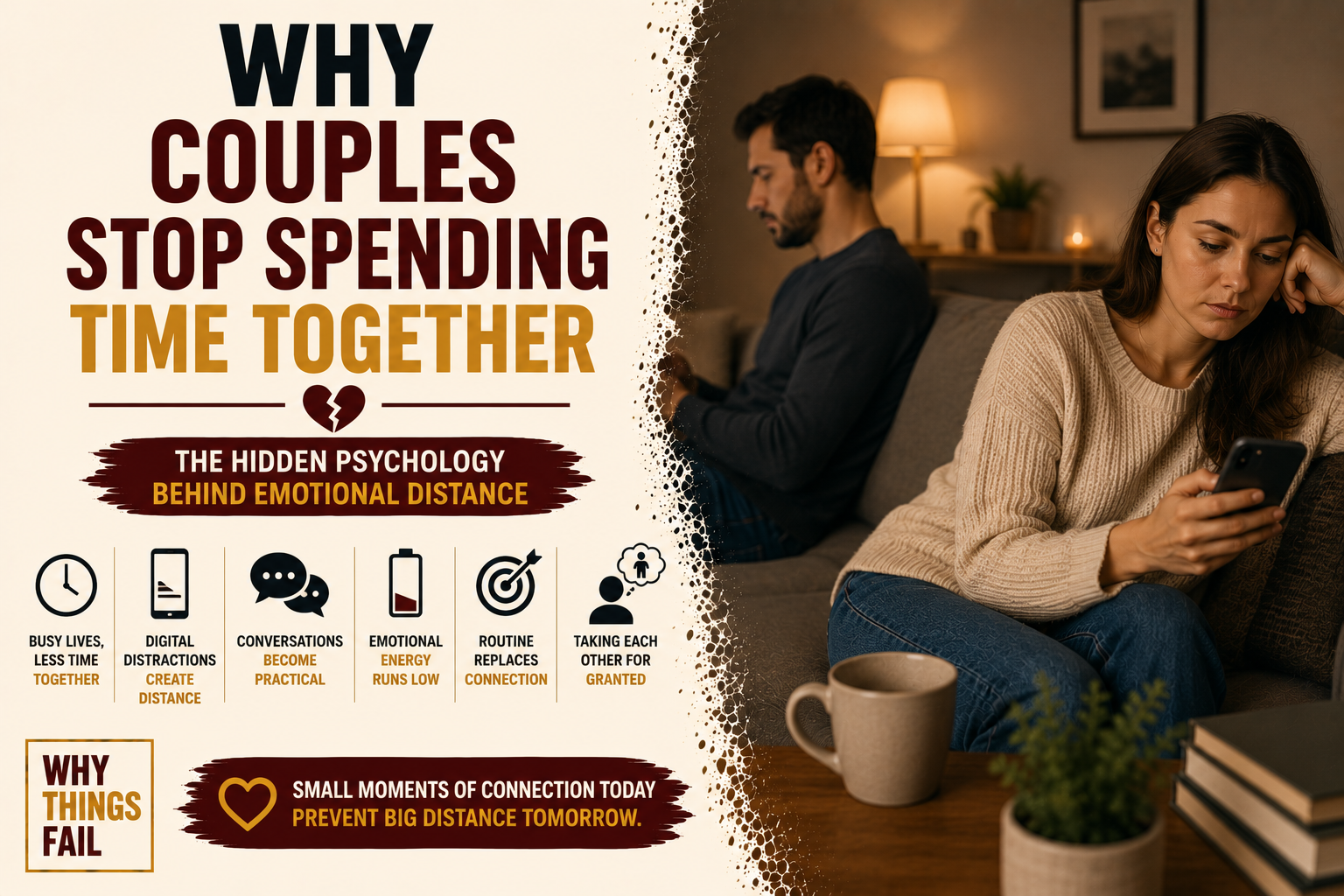
Eventually emotional distance replaces emotional connection.
The relationship begins functioning on routine rather than genuine understanding.
By the time separation occurs, many couples struggle to identify exactly when the relationship changed.
The decline happened gradually through hundreds of unresolved moments rather than one dramatic event.
Why Does It Happen?
This is where relationship failure becomes far more complex than simple communication problems.
Most people understand that unresolved conflict is unhealthy.
Yet they continue avoiding difficult conversations.
Why?
Because the human brain often values immediate emotional comfort over long term relationship health.
Behavioural psychology explains that people naturally avoid situations likely to produce discomfort, rejection or emotional vulnerability.
Addressing conflict honestly requires all three.
Ignoring conflict provides immediate relief.
Unfortunately, that relief is temporary.
The emotional cost simply moves into the future where it continues growing unnoticed.
Emotional Avoidance Creates Temporary Comfort
Many people believe avoiding conflict makes them emotionally mature.
In reality, avoidance often reflects fear rather than wisdom.
Fear of rejection.
Fear of criticism.
Fear of hurting someone they love.
Fear of making the situation worse.
These fears encourage silence.
Silence reduces immediate tension.
However, it also prevents understanding.
Problems that remain unspoken cannot be solved.
Instead they become assumptions, misunderstandings and silent expectations that neither person fully understands.
Emotional Safety Begins To Disappear
Every healthy relationship depends upon emotional safety.
People need confidence that they can express disappointment, frustration or vulnerability without being attacked, dismissed or ignored.
When repeated conflicts remain unresolved, this sense of safety gradually weakens.
People begin filtering their thoughts.
Honesty feels risky.
Vulnerability feels dangerous.
Instead of expressing genuine feelings, they communicate only what feels emotionally safe.
The relationship becomes polite rather than authentic.
Outwardly everything appears calm.
Internally emotional connection begins disappearing.
Small Problems Become Emotional History
One unresolved disagreement rarely destroys a relationship.
The danger comes from accumulation.
Psychologists sometimes describe this as emotional residue.
Every unresolved conversation leaves behind small amounts of disappointment, frustration or distrust.
Initially these emotions appear insignificant.
Months later they begin shaping future interactions.
A forgotten anniversary is no longer simply about one forgotten date.
It becomes evidence supporting previous disappointments.
A disagreement about finances becomes connected to earlier arguments about priorities and responsibility.
Current conflicts gradually become symbols of much older unresolved emotions.
People stop arguing about today’s issue.
They begin arguing about years of accumulated emotional experiences.
Confirmation Bias Reinforces Negative Beliefs
Behavioural psychology shows that people naturally search for evidence confirming existing beliefs.
This tendency becomes especially powerful within relationships.
Once someone begins believing their partner never listens, every misunderstanding reinforces that belief.
Positive interactions receive less attention.
Negative interactions become increasingly memorable.
Over time both individuals begin creating entirely different interpretations of the same relationship.
One remembers acts of kindness.
The other remembers unresolved disappointments.
Neither person is intentionally dishonest.
Their brains are simply filtering experiences differently.
This explains why couples experiencing relationship difficulties often disagree not only about solutions but also about reality itself.
Ego Often Becomes More Important Than Resolution
Many conflicts continue because the objective quietly changes.
Instead of understanding each other, people begin trying to prove themselves right.
This shift transforms disagreement into competition.
Listening becomes less important than defending.
Curiosity disappears.
Assumptions replace questions.
Each conversation becomes another opportunity to justify previous behaviour.
Ironically, both people often seek the same outcome.
They want appreciation.
Respect.
Understanding.
Emotional security.
Yet their methods prevent those needs from being fulfilled.
Winning the argument gradually becomes more important than protecting the relationship.
Delayed Consequences Hide The Damage
One reason unresolved conflict remains so common is that its consequences develop slowly.
Unlike financial mistakes or physical injuries, emotional damage rarely appears immediately.
People continue living together.
Daily routines remain unchanged.
Responsibilities are completed.
From the outside, the relationship appears stable.
Internally something very different is happening.
Trust weakens.
Empathy declines.
Communication becomes increasingly transactional.
Affection becomes less spontaneous.
Emotional investment slowly decreases because repeated disappointment teaches people to expect less from the relationship.
By the time obvious problems appear, the emotional distance has often been developing for months or even years.
This delayed consequence makes unresolved conflict particularly dangerous.
The relationship does not suddenly collapse.
It gradually loses the emotional foundation that once allowed it to survive difficult times.
Warning Signs
Unresolved conflict rarely announces itself dramatically. It usually reveals itself through subtle behavioural changes that people dismiss as temporary stress or a busy lifestyle.
One warning sign is avoiding meaningful conversations. Discussions become limited to daily responsibilities while emotionally important topics remain untouched.
Another warning sign is defensiveness. Instead of listening with curiosity, both people begin preparing their response before the other has finished speaking. Every disagreement becomes an opportunity to justify rather than understand.
Growing emotional distance is another clear indicator. Affection feels forced, appreciation becomes less frequent and quality time slowly disappears. Although the relationship may continue functioning, emotional intimacy steadily declines.
Resentment is perhaps the strongest warning sign. Small mistakes trigger disproportionately strong reactions because they activate memories of earlier unresolved conflicts. The current disagreement is no longer the real issue. It simply reopens emotional wounds that were never allowed to heal.
These warning signs are often ignored because they develop gradually. People convince themselves that things will improve naturally, yet unresolved conflict rarely disappears without intentional effort. Time often strengthens resentment instead of resolving it.
What Could Have Prevented It?
Most relationships are not destroyed by conflict itself. They are damaged by the absence of effective conflict resolution.
The first preventive step is recognising that disagreement is a normal part of every meaningful relationship. Conflict should be viewed as information rather than evidence that the relationship is failing.
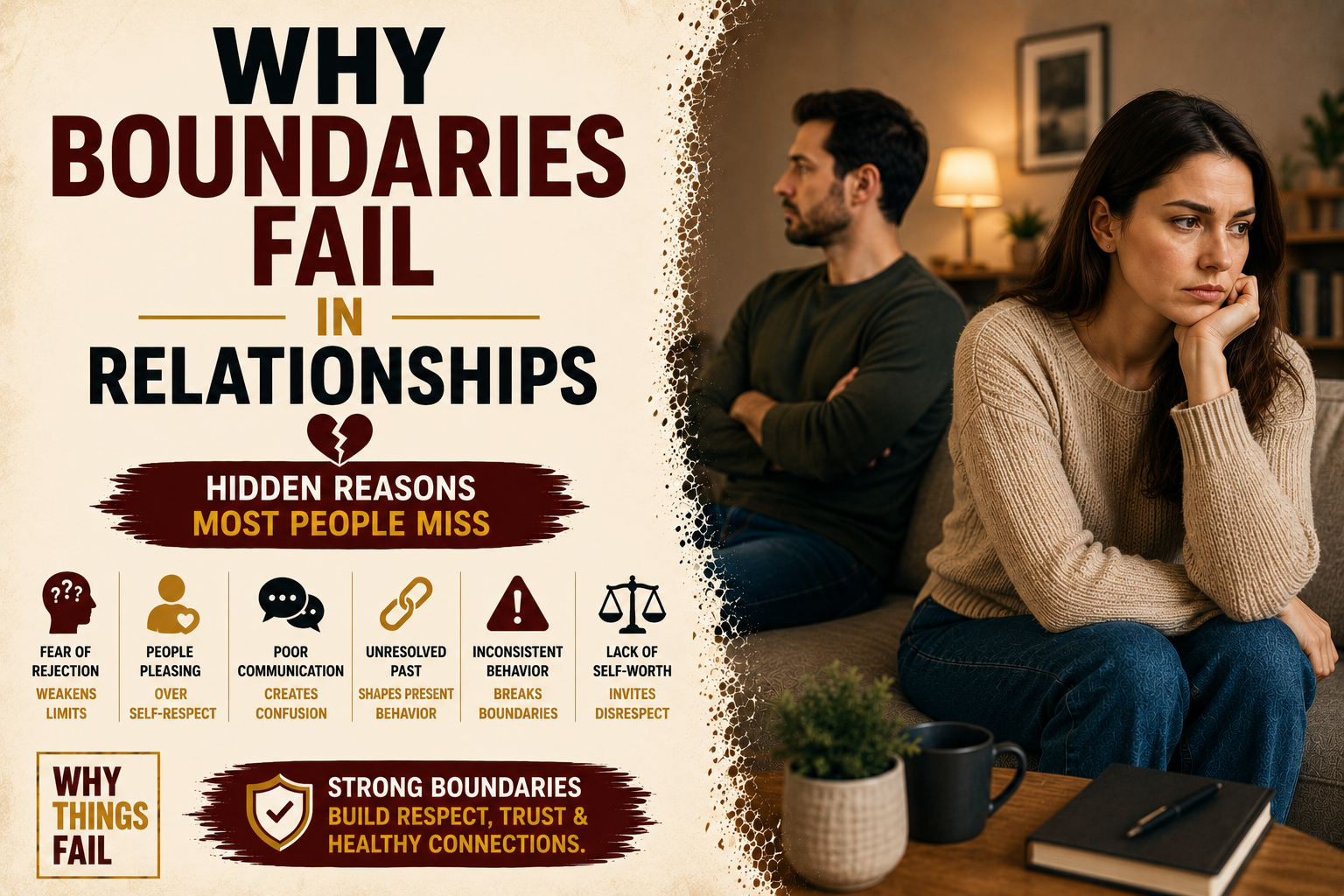
Emotional safety is equally important. People become willing to discuss difficult issues only when they believe they will be heard without humiliation, criticism or dismissal. Creating an environment where both individuals feel respected encourages honest communication before resentment accumulates.
Another important safeguard is addressing problems while they remain small. Delayed conversations rarely become easier. They usually become emotionally heavier because additional disappointments continue accumulating.
Self awareness also plays a critical role. Understanding personal emotional triggers helps individuals distinguish between present circumstances and unresolved experiences from the past. This reduces emotional overreaction and encourages more balanced responses.
Finally, relationships benefit from viewing conflict as a shared problem rather than a personal battle. When both people focus on solving the issue instead of defeating each other, cooperation replaces competition and trust becomes easier to preserve.
Lessons
The failure of relationships caused by unresolved conflict offers lessons that extend beyond personal life.
The first lesson is that silence should never be confused with harmony. A relationship without arguments may simply be a relationship where important conversations are no longer taking place.
Another lesson is that emotional safety creates stronger relationships than agreement. Two people can disagree respectfully when trust remains intact, but even minor disagreements become destructive once emotional safety disappears.
The investigation also shows that small behavioural patterns shape long term outcomes. Relationships rarely collapse because of one major event. They decline through repeated moments where communication, empathy and understanding are postponed.
Perhaps the most valuable lesson is that successful relationships depend less on avoiding conflict and more on developing the ability to resolve it constructively. The quality of conflict resolution often determines the quality of the relationship itself.
Failure Pattern
The dominant pattern behind relationship breakdown is Emotional Avoidance combined with Poor Communication.
This pattern appears repeatedly because avoiding uncomfortable conversations provides immediate emotional relief. Unfortunately, it also allows misunderstanding, resentment and unmet expectations to accumulate.
Fear encourages silence.
Silence reduces understanding.
Reduced understanding weakens trust.
Weak trust creates greater emotional distance.
This cycle repeats until both people begin protecting themselves instead of protecting the relationship.
The same behavioural pattern appears in friendships, families, business partnerships and organisations. Wherever important conversations are repeatedly avoided, unresolved problems gradually become structural weaknesses.
Hidden Lesson
The greatest threat to a relationship is rarely conflict.
It is emotional distance created by conflict that nobody chooses to resolve.
Relationships usually end long before they officially end. The emotional separation often begins months or years earlier through repeated moments where understanding is replaced by assumption and vulnerability is replaced by self protection.
The final argument is rarely the true cause of the relationship’s collapse.
It is simply the point where years of unresolved emotions become impossible to carry any longer.
Failure Scorecard
| Area | Score | Explanation |
| Emotional Communication | 4/10 | Important conversations are avoided rather than resolved openly. |
| Decision Making | 5/10 | Emotional reactions often replace thoughtful discussion during conflict. |
| Conflict Management | 3/10 | Problems remain unresolved, allowing resentment to accumulate over time. |
| Long Term Thinking | 5/10 | Immediate emotional comfort is prioritised over long term relationship health. |
| Emotional Awareness | 6/10 | People often recognise their emotions but struggle to express them constructively. |
| Emotional Control | 4/10 | Defensiveness, frustration and resentment frequently influence behaviour. |
| Planning | 5/10 | Few couples intentionally develop healthy conflict resolution habits. |
| Adaptability | 6/10 | Relationships improve when both people remain willing to adjust their behaviour and communication. |
Key Takeaways
- Conflict does not destroy relationships. Unresolved conflict does.
- Avoiding uncomfortable conversations often creates greater emotional pain later.
- Emotional safety encourages honesty, trust and stronger communication.
- Resentment grows when disappointment is repeatedly left unaddressed.
- Winning an argument can weaken a relationship if understanding is lost.
- Small unresolved issues gradually become major emotional barriers.
- Healthy relationships focus on solving problems together rather than proving who is right.
- Lasting relationships depend on consistent communication, empathy and mutual accountability.
Frequently Asked Questions
Why does unresolved conflict damage relationships?
Because unresolved conflict gradually weakens trust, emotional safety and communication. Over time, resentment replaces understanding and emotional distance grows.
Is conflict normal in healthy relationships?
Yes. Every healthy relationship experiences disagreement. The difference lies in how conflict is managed rather than whether conflict exists.
Why do people avoid resolving conflict?
Many people fear rejection, criticism or making the situation worse. Avoiding the conversation provides temporary emotional relief, even though it often increases long term relationship damage.
What is the biggest sign that conflict is becoming harmful?
Growing emotional distance is one of the clearest signs. Conversations become superficial, affection decreases and important issues remain unspoken.
Can a relationship recover after years of unresolved conflict?
Recovery is possible when both individuals are willing to rebuild trust, communicate honestly and address underlying issues rather than continuing to avoid them.
Conclusion
Unresolved conflict rarely destroys relationships through one dramatic event. It gradually weakens the emotional foundations that allow trust, intimacy and understanding to survive periods of disagreement. What appears to be a sudden ending is often the visible result of years of silent emotional erosion.
The deeper lesson is that relationships are not sustained by the absence of conflict but by the willingness to confront it with honesty, empathy and mutual respect. When unresolved emotions become a permanent pattern, the relationship does not simply lose communication. It loses the emotional connection that once made communication meaningful.