Introduction
Every lasting relationship appears simple from the outside.
Two people remain together for decades, raising families, overcoming setbacks and continuing to support one another through life’s changing circumstances. To observers, their relationship often seems effortless.
Yet longevity rarely happens by accident.
Behind every relationship that survives the pressures of time are thousands of decisions, conversations, compromises and moments of emotional resilience that remain invisible to everyone else.
At the same time, many relationships that begin with equal passion and commitment gradually fall apart. Some end after major conflicts, while others slowly weaken through small disappointments that accumulate over many years.
This raises an important question.
Why do some relationships endure for a lifetime while others fail despite beginning with the same hopes and promises?
Popular culture often attributes lasting relationships to finding the “right person.” Psychology and behavioural science suggest a more complex reality.
Long lasting relationships depend less on luck and more on how two people respond to uncertainty, conflict, changing priorities and emotional challenges over time.
Understanding why some relationships last requires looking beyond romance. It requires examining human behaviour, emotional intelligence, trust, incentives and the everyday decisions that quietly shape the future of a partnership.
What Is A Lasting Relationship?
A lasting relationship is not one that never experiences conflict.
Disagreements, misunderstandings and periods of emotional distance are natural in every long term partnership.
What distinguishes lasting relationships is their ability to recover from these challenges without allowing them to permanently damage trust, respect or commitment.
Relationship success is therefore measured less by the absence of problems and more by the ability to solve problems together.
Two couples may experience similar hardships such as financial pressure, career changes, parenting challenges or health issues.
One relationship becomes stronger.
The other gradually breaks apart.
The difference often lies in the quality of their decisions rather than the difficulty of their circumstances.
The Biggest Myth
The most common belief about successful relationships is that they last because two people are perfectly compatible.
This idea is comforting, but it oversimplifies reality.
Compatibility certainly matters, but it cannot explain why some highly compatible couples separate while others with significant differences remain happily together for decades.
Behavioural psychology offers another explanation.
Successful relationships are not built by avoiding differences.
They are built by learning how to manage differences.
Every long term relationship involves changing personalities, evolving goals and unexpected life events. People grow older, careers change, families expand and personal priorities shift.
A relationship survives not because change never occurs, but because both people continue adapting to those changes together.
The strongest partnerships are therefore dynamic rather than static.
What Usually Happens?
Most relationships follow a familiar pattern.
The early stage is dominated by excitement, emotional closeness and optimism.
Partners naturally focus on each other’s strengths while overlooking imperfections.
As time passes, daily responsibilities increase.
Work demands become greater.
Financial commitments grow.
Children may arrive.
Stress replaces novelty.
Small disagreements become recurring conversations.
If communication remains healthy, these challenges strengthen trust and deepen emotional connection.
If communication weakens, unresolved frustrations begin accumulating beneath the surface.
Eventually the relationship is no longer shaped by one significant disagreement.
It becomes shaped by hundreds of small interactions that either strengthen or weaken emotional security.
This gradual process explains why relationships rarely succeed or fail because of a single event.
They succeed or fail because of repeated behavioural patterns.
Why Do Some Relationships Last A Lifetime?
Understanding lasting relationships requires moving beyond romantic ideals and examining human behaviour.
Love may begin a relationship.
Behaviour determines whether it survives.
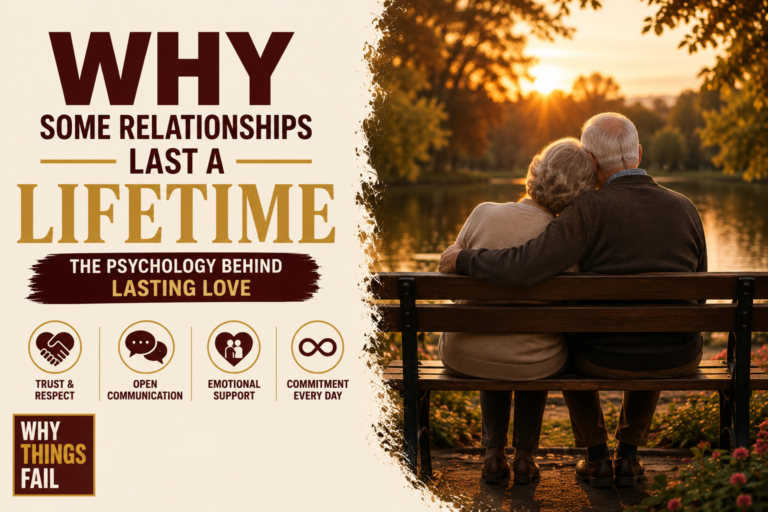
Psychologists have long argued that emotional attachment is only one component of relationship success. Equally important are trust, emotional regulation, communication, shared values and the ability to solve problems together.
These qualities are not fixed personality traits.
They are behaviours repeated consistently over time.
Trust Creates Psychological Safety
Trust is often described as honesty.
In reality, trust is much broader.
It creates psychological safety.
Psychological safety exists when both partners believe they can express concerns, admit mistakes and discuss difficult emotions without fear of humiliation or rejection.
This environment encourages openness rather than defensiveness.
Without psychological safety, important conversations are delayed.
Small misunderstandings remain unresolved.
Assumptions replace communication.
Over time, emotional distance begins to grow.
Lasting relationships protect trust because trust allows every other aspect of the relationship to function effectively.
Emotional Intelligence Matters More Than Emotional Intensity
Many people confuse strong emotions with strong relationships.
The two are not the same.
Emotional intensity often characterises the beginning of a relationship.
Emotional intelligence sustains it.
Emotionally intelligent partners recognise not only their own emotions but also the emotional experiences of the person beside them.
Instead of reacting impulsively during disagreements, they pause, listen and seek understanding before responding.
Behavioural psychologists describe this as emotional regulation.
The ability to regulate emotions prevents temporary frustration from becoming permanent damage.
The healthiest relationships are not those with fewer disagreements.
They are those where disagreements are managed with respect rather than emotional escalation.
Communication Is A System Rather Than A Conversation
Many relationship problems are described as communication problems.
The deeper issue is usually misunderstanding the purpose of communication itself.
Communication is not simply exchanging information.
It is the process through which trust, expectations and emotional security are continuously maintained.
Couples who communicate effectively rarely assume their partner understands their thoughts automatically.
They clarify expectations.
They ask questions.
They listen carefully.
They address small concerns before they become significant conflicts.
Poor communication rarely destroys relationships immediately.
Instead, it gradually weakens understanding until both partners begin feeling emotionally isolated despite living together.
Shared Values Create Long Term Stability
Common interests may bring two people together.
Shared values help them remain together.
Values influence decisions about family, finances, careers, honesty, responsibility and personal priorities.
When these fundamental beliefs remain aligned, decision making becomes easier during periods of uncertainty.
When values differ significantly, everyday decisions begin creating repeated conflict.
Behavioural economists often explain that incentives shape behaviour.
Relationships operate similarly.
Partners with shared values naturally encourage behaviours that strengthen mutual goals instead of competing against them.
Commitment Changes Decision Making
Commitment is frequently misunderstood as simply staying together.
Its deeper function is psychological.
Committed partners make decisions differently because they evaluate situations from the perspective of protecting the relationship rather than winning individual disagreements.
This changes how conflict is managed.
Arguments become opportunities to understand rather than opportunities to prove someone wrong.
Forgiveness becomes easier because preserving the relationship becomes more valuable than protecting personal pride.
Commitment therefore acts as a stabilising force during periods when emotions fluctuate.
It encourages long term thinking instead of short term emotional reactions.
Adaptability Keeps Relationships Relevant
No relationship remains unchanged across decades.
People experience career changes, parenthood, illness, financial uncertainty, personal growth and ageing.
Each transition requires adaptation.
Relationships often struggle when partners expect the future to resemble the past.
Successful couples recognise that maintaining closeness requires adjusting expectations as life evolves.
Flexibility allows the relationship to grow alongside changing circumstances rather than resisting them.
This adaptability explains why some relationships become stronger after adversity while others gradually lose their emotional connection.
Their circumstances may be similar.
Their responses are fundamentally different.
Warning Signs
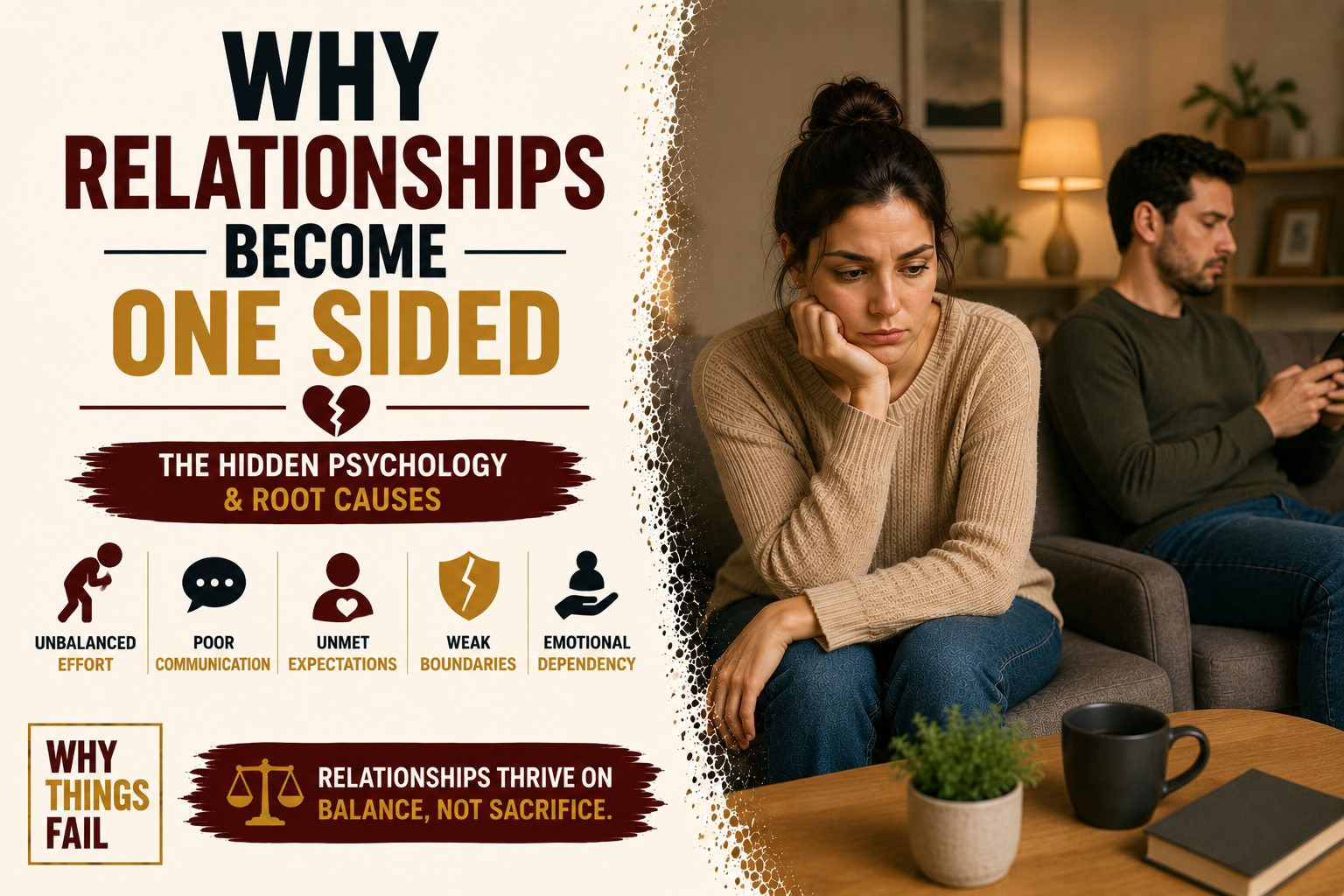
Relationships rarely end because of one dramatic event. More often, they weaken through small behavioural changes that quietly accumulate over time.
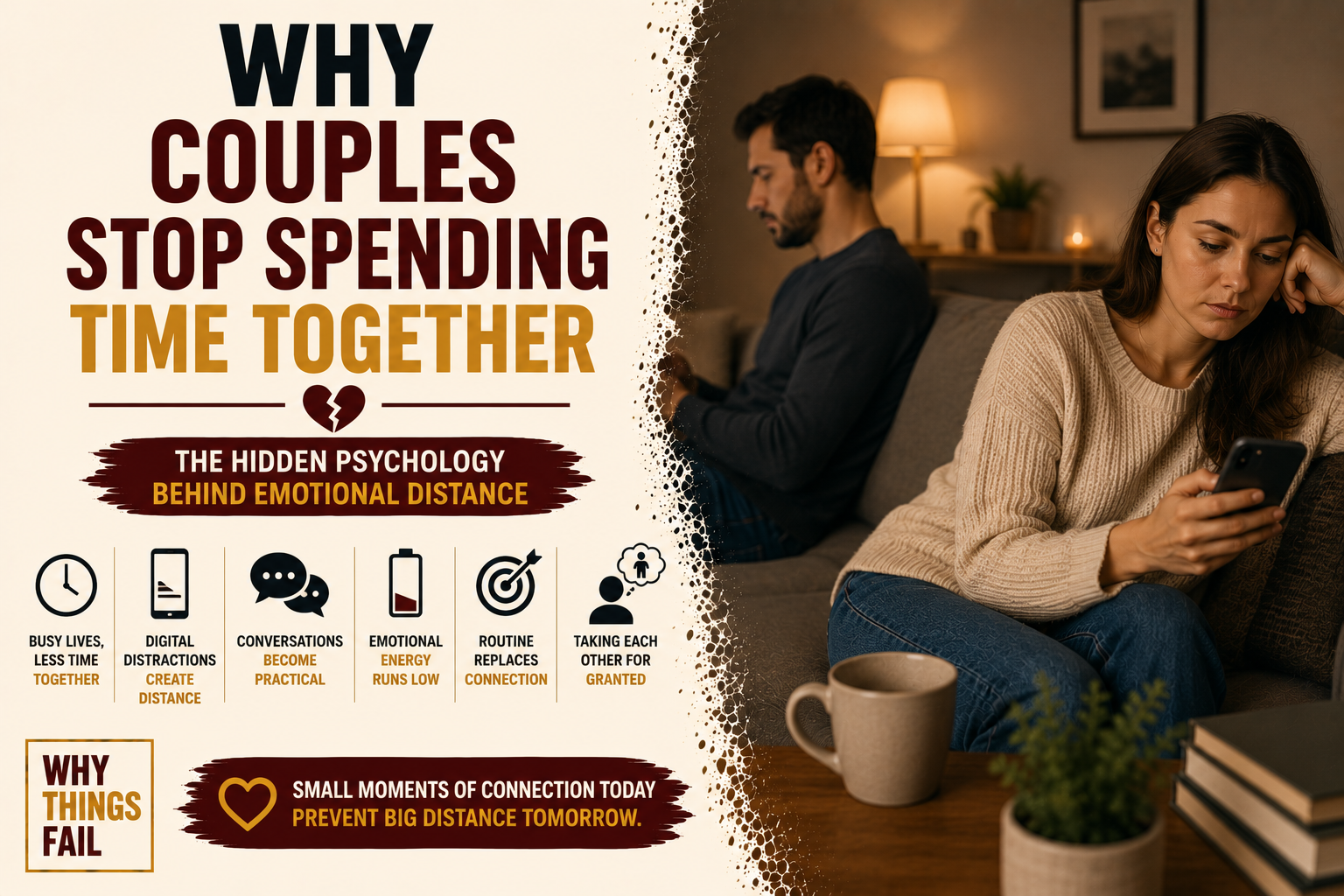
One warning sign is the gradual decline in honest communication. Conversations become limited to daily routines while important emotions remain unspoken. Partners begin assuming rather than asking, creating misunderstandings that slowly erode trust.
Another warning sign is emotional defensiveness. Instead of listening to understand, each person listens to defend their own position. Every disagreement becomes a competition rather than an opportunity to solve a shared problem.
A loss of curiosity is equally significant. In lasting relationships, partners continue learning about one another because people constantly evolve. When curiosity disappears, emotional connection often follows.
Small acts of appreciation also begin fading. Expressions of gratitude, affection and recognition become less frequent because both partners assume these gestures are no longer necessary. Behavioural psychology shows that positive reinforcement strengthens relationships just as it strengthens any long term partnership or team.
Perhaps the most overlooked warning sign is emotional withdrawal. Conflict may appear to decrease, but not because problems have been resolved. Instead, one or both partners quietly stop expressing their needs. Silence creates the illusion of peace while emotional distance continues growing.
These warning signs are often ignored because they develop gradually. People adapt to declining relationship quality without recognising how much has changed until emotional connection feels difficult to recover.
What Could Have Prevented Relationship Failure?
Most relationship breakdowns cannot be prevented by avoiding conflict.
They are prevented by learning how to manage conflict constructively.
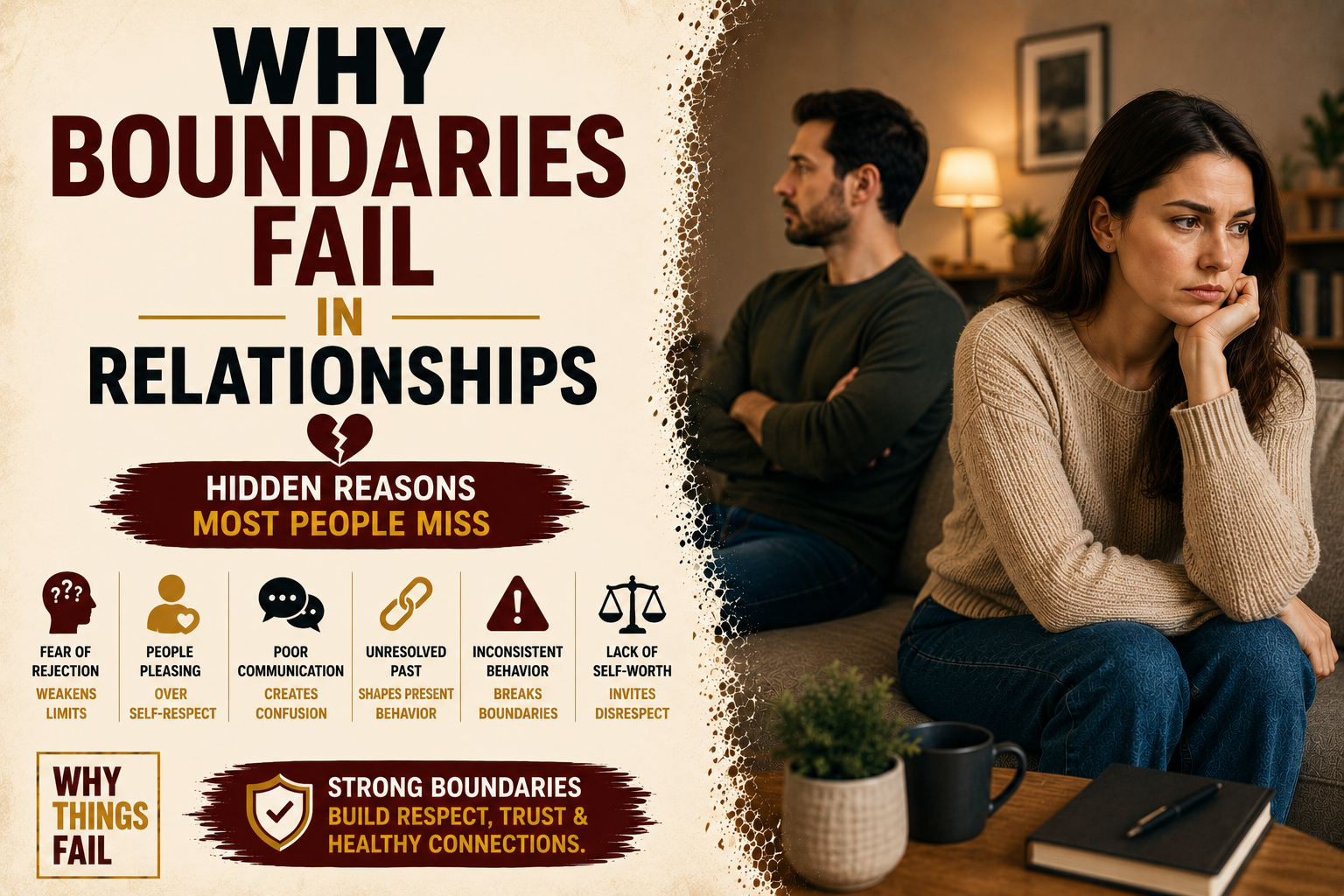
Healthy communication provides the strongest protection. Couples who discuss concerns while they are still small prevent resentment from becoming deeply rooted. Difficult conversations become easier when honesty is practised consistently rather than only during crises.
Emotional intelligence also plays a critical role. Recognising frustration before it becomes anger allows disagreements to remain productive. Understanding a partner’s emotional needs often prevents unnecessary misunderstandings.
Shared expectations reduce uncertainty. Discussions about finances, family responsibilities, careers, personal goals and future plans create clarity that strengthens long term stability.
Regular expressions of appreciation matter more than many people realise. Gratitude reinforces positive behaviour and reminds both partners that their efforts are noticed. Relationships often decline not because love disappears, but because appreciation becomes less visible.
Finally, adaptability protects relationships during major life transitions. Couples who regularly reassess priorities and expectations remain emotionally connected as circumstances change. Flexibility allows the relationship to evolve instead of becoming trapped by outdated assumptions.
Lessons
Relationships that last a lifetime are rarely built through extraordinary moments.
They are built through ordinary decisions repeated consistently.
One lesson is that trust grows through reliability rather than promises. Small acts of honesty, consistency and accountability create emotional security that becomes stronger over time.
Another lesson is that communication is not simply about talking. It is about creating an environment where both people feel understood, respected and emotionally safe.
A further lesson is that conflict is not the opposite of love. Poor conflict management is. Couples who approach disagreements with curiosity instead of blame often strengthen their relationship through challenges that might separate others.
Perhaps the most important lesson is that lasting relationships depend less on finding the perfect partner and more on becoming a partner capable of sustaining trust, respect and emotional connection through changing circumstances.
Relationship Pattern
The dominant pattern behind lasting relationships is Consistent Emotional Investment Supported by Long Term Thinking.
This pattern appears repeatedly because successful relationships prioritise stability over temporary emotion.
Trust encourages open communication.
Open communication strengthens understanding.
Understanding improves cooperation.
Cooperation deepens commitment.
This positive cycle becomes stronger through repeated behaviour rather than occasional grand gestures.
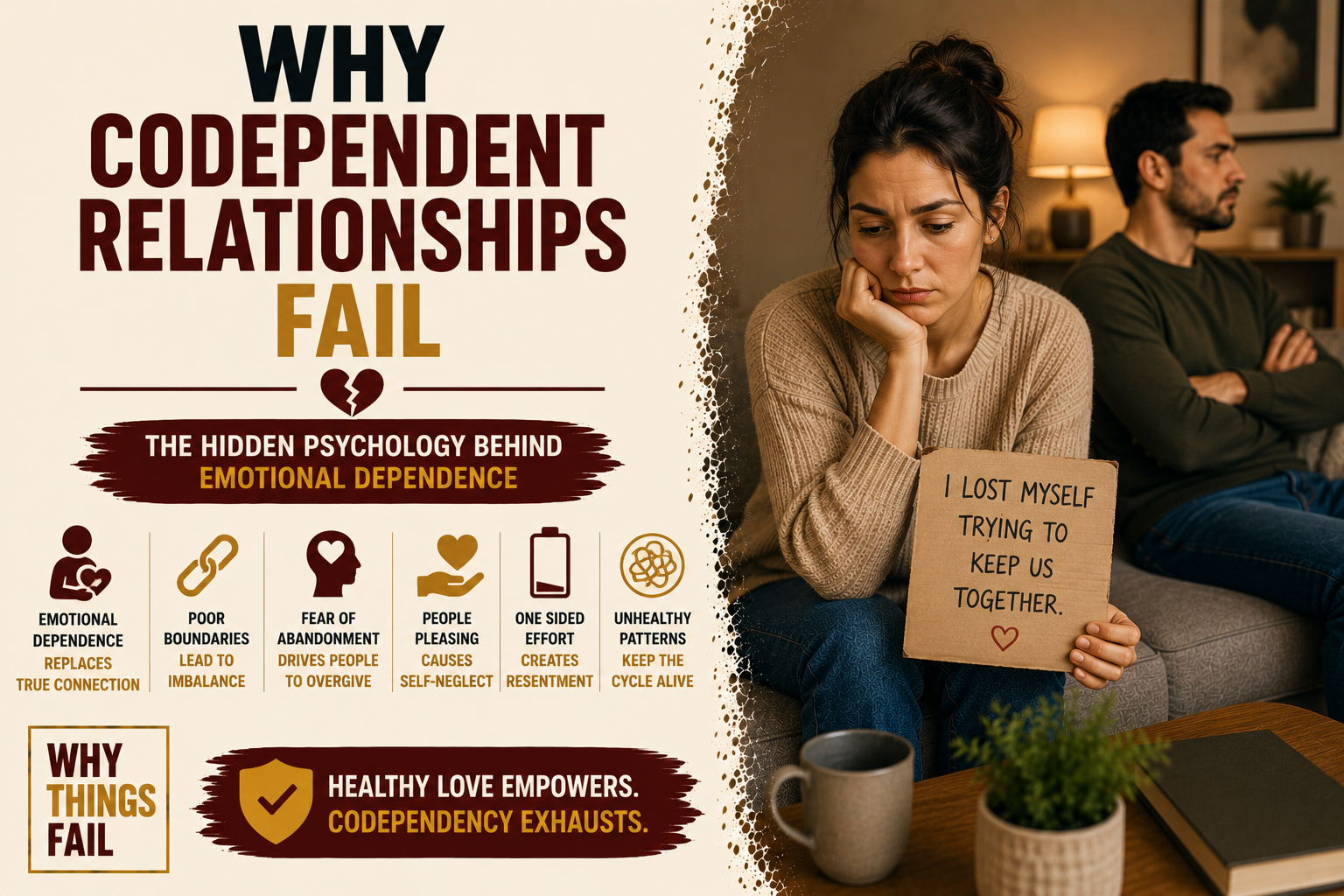
The opposite pattern also repeats across struggling relationships. Poor communication weakens trust. Reduced trust increases defensiveness. Defensiveness creates emotional distance. Emotional distance gradually reduces commitment.
The relationship reflects the behavioural system created by both partners.
Hidden Lesson
The deepest truth about lasting relationships is that they are not sustained by love alone.
They are sustained by habits.
Love creates the desire to build a future together.
Daily behaviour determines whether that future becomes reality.
Small decisions made every day often matter more than major romantic gestures made once a year. Respect shown during disagreement, honesty during uncertainty and kindness during ordinary moments gradually become the foundation upon which lifelong relationships are built.
The strongest relationships are therefore not those without challenges.
They are those where both people repeatedly choose behaviours that strengthen the partnership even when doing so requires patience, humility and emotional maturity.
Relationship Scorecard
| Area | Score | Explanation |
| Commitment | 9/10 | Long lasting relationships place the partnership above temporary disagreements. |
| Decision Making | 9/10 | Important decisions consider the wellbeing of both partners rather than individual preferences. |
| Conflict Management | 9/10 | Disagreements become opportunities for understanding instead of emotional battles. |
| Long Term Thinking | 10/10 | Daily choices consistently support future stability and shared goals. |
| Relationship Awareness | 8/10 | Successful couples recognise emotional needs and changing circumstances. |
| Emotional Control | 9/10 | Emotional regulation prevents temporary frustration from causing lasting damage. |
| Planning | 8/10 | Shared expectations create clarity about family, finances and future priorities. |
| Adaptability | 10/10 | Healthy relationships evolve as people and circumstances change throughout life. |
Key Takeaways
- Lasting relationships are built through consistent behaviour rather than perfect compatibility.
- Trust creates the emotional safety needed for honest communication.
- Emotional intelligence matters more than emotional intensity.
- Shared values provide stability during periods of uncertainty.
- Small acts of appreciation strengthen relationships over time.
- Conflict becomes constructive when respect replaces defensiveness.
- Adaptability allows relationships to remain healthy through changing stages of life.
- Lifelong partnerships are created through habits repeated every day rather than occasional grand gestures.
Frequently Asked Questions
Why do some relationships last a lifetime?
Relationships last because both partners consistently practise trust, communication, emotional intelligence, commitment and adaptability. These behaviours strengthen the relationship over time.
Is love enough to sustain a lifelong relationship?
No. Love creates emotional connection, but long term success depends on daily habits such as honesty, respect, communication and shared problem solving.
What is the biggest reason long term relationships fail?
The most common reason is the gradual breakdown of communication and emotional trust. Small unresolved issues often accumulate until emotional distance becomes difficult to repair.
Can couples strengthen their relationship after difficult periods?
Yes. Relationships often become stronger when both partners are willing to communicate openly, rebuild trust and adapt their behaviour rather than focusing only on past mistakes.
Why is emotional intelligence important in relationships?
Emotional intelligence helps partners manage conflict calmly, understand each other’s feelings and respond thoughtfully instead of reacting impulsively during stressful situations.
Conclusion
Some relationships last a lifetime not because they escape difficulty, but because both people repeatedly choose behaviours that protect trust, strengthen communication and preserve mutual respect. Love may begin the journey, but it is disciplined emotional investment that allows it to endure.
The deeper lesson is that enduring relationships are not defined by extraordinary moments. They are shaped by thousands of ordinary decisions that quietly determine whether two people continue growing together or gradually grow apart.