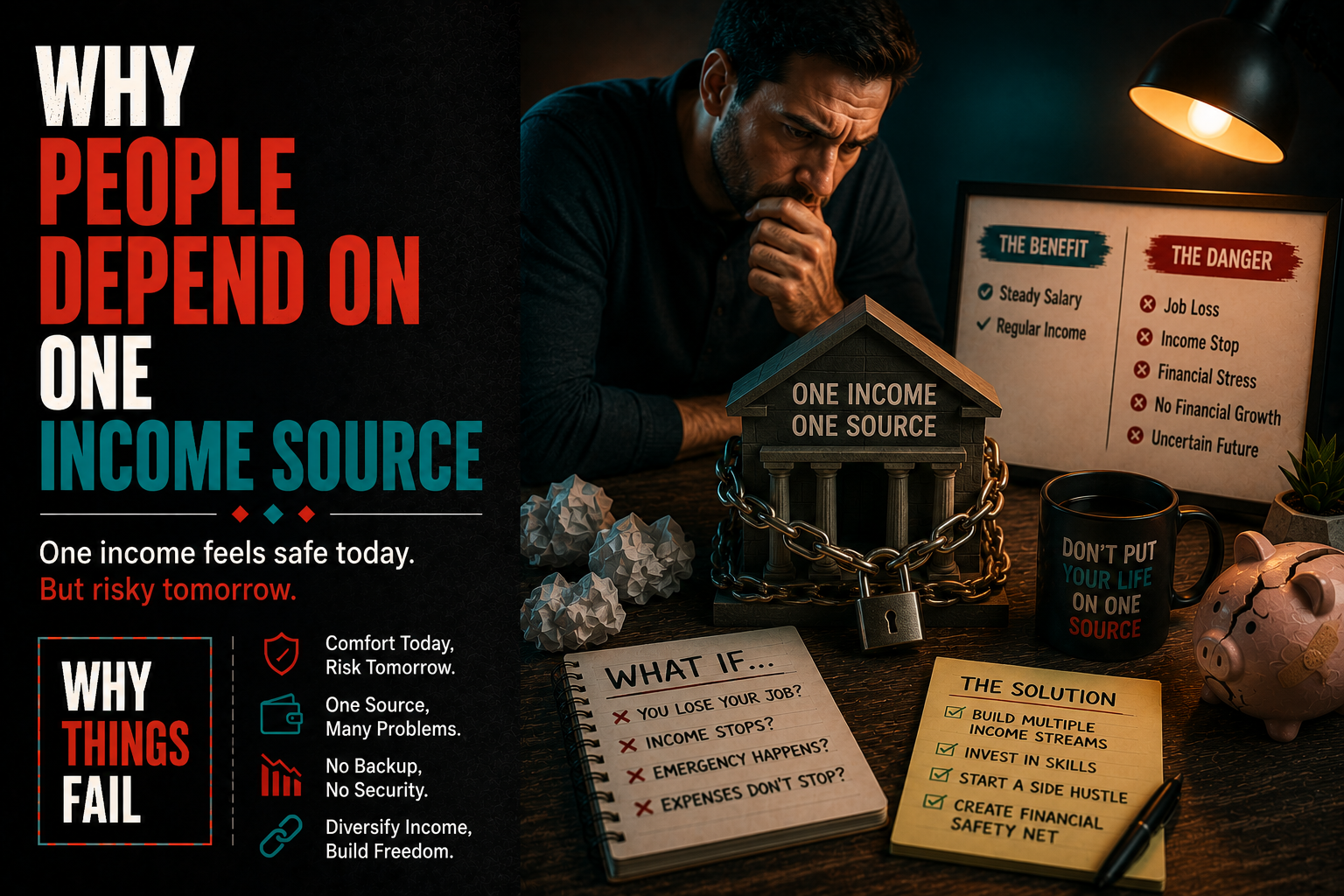
Why People Depend on One Income Source
Quick Answer People depend on one income source because of behavioural habits, perceived security, financial psychology, social expectations and short term thinking. The greatest risk is not having one source
Quick Answer People depend on one income source because of behavioural habits, perceived security, financial psychology, social expectations and short term thinking. The greatest risk is not having one source
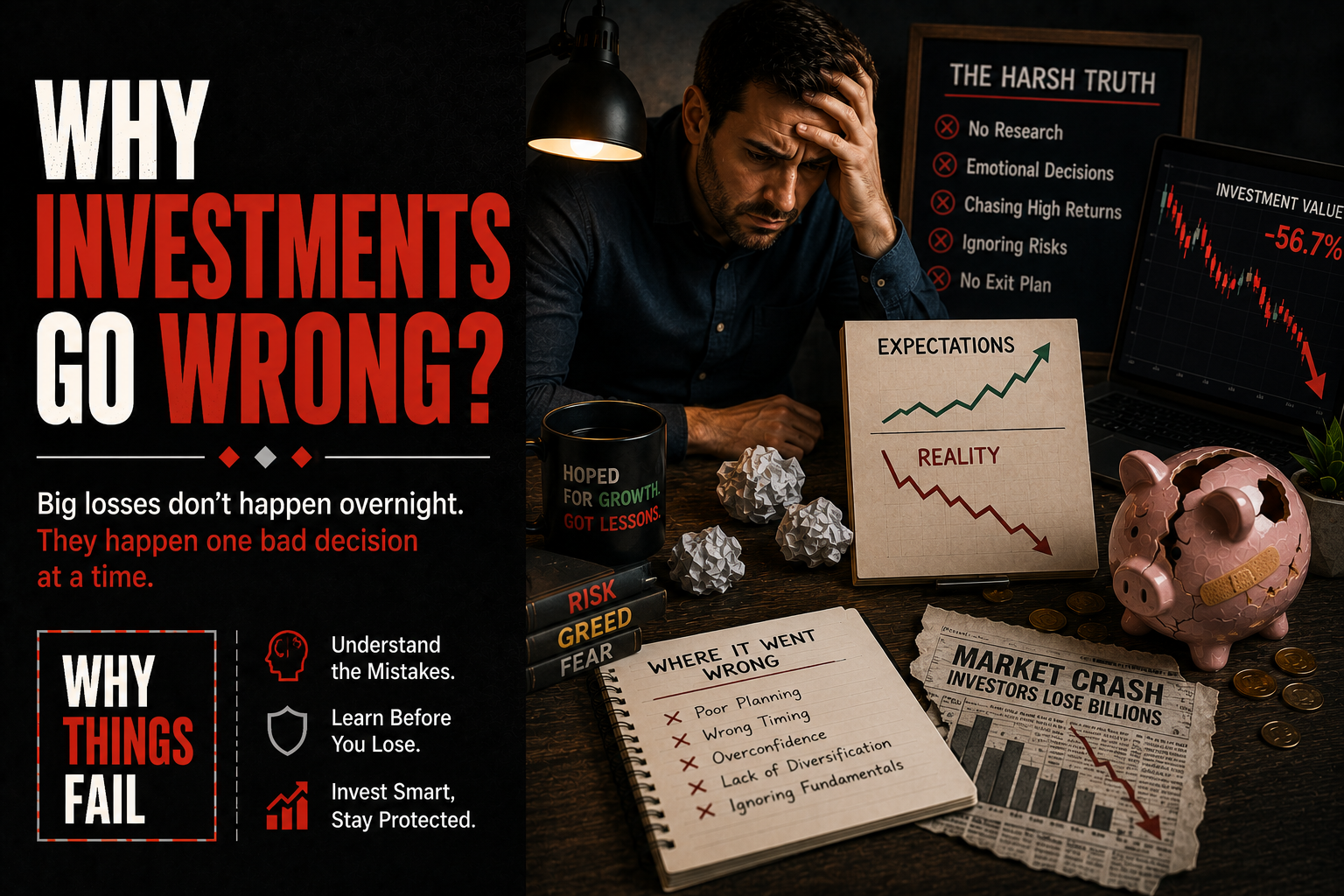
Investments rarely go wrong because markets are unpredictable alone. Most failures result from emotional decision making, poor risk management, overconfidence, weak planning and behavioural biases that cause investors to make
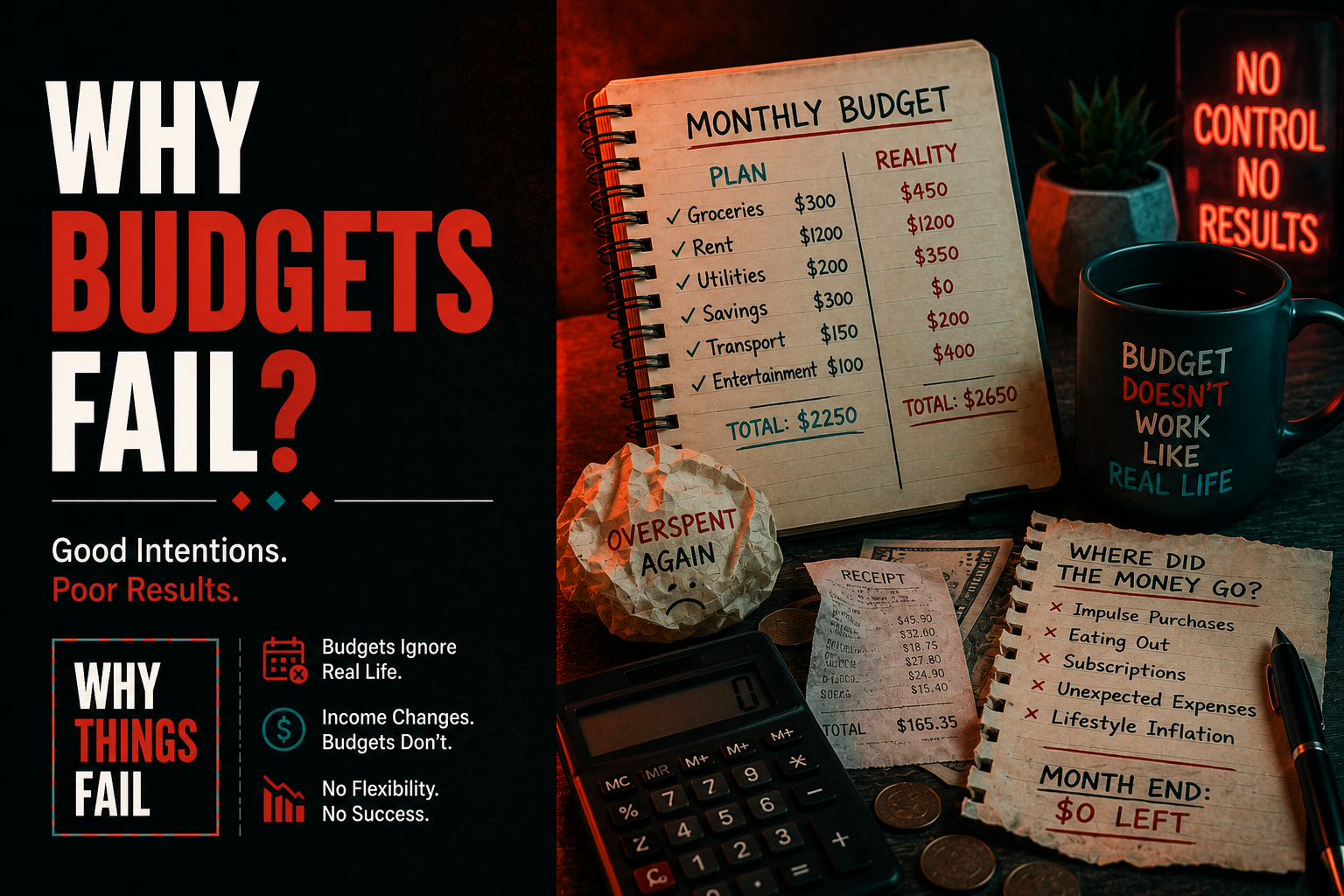
Quick Answer Budgets rarely fail because the numbers are wrong. They fail because human behaviour, emotional spending, unrealistic expectations, poor planning and inconsistent decision making gradually undermine even well designed
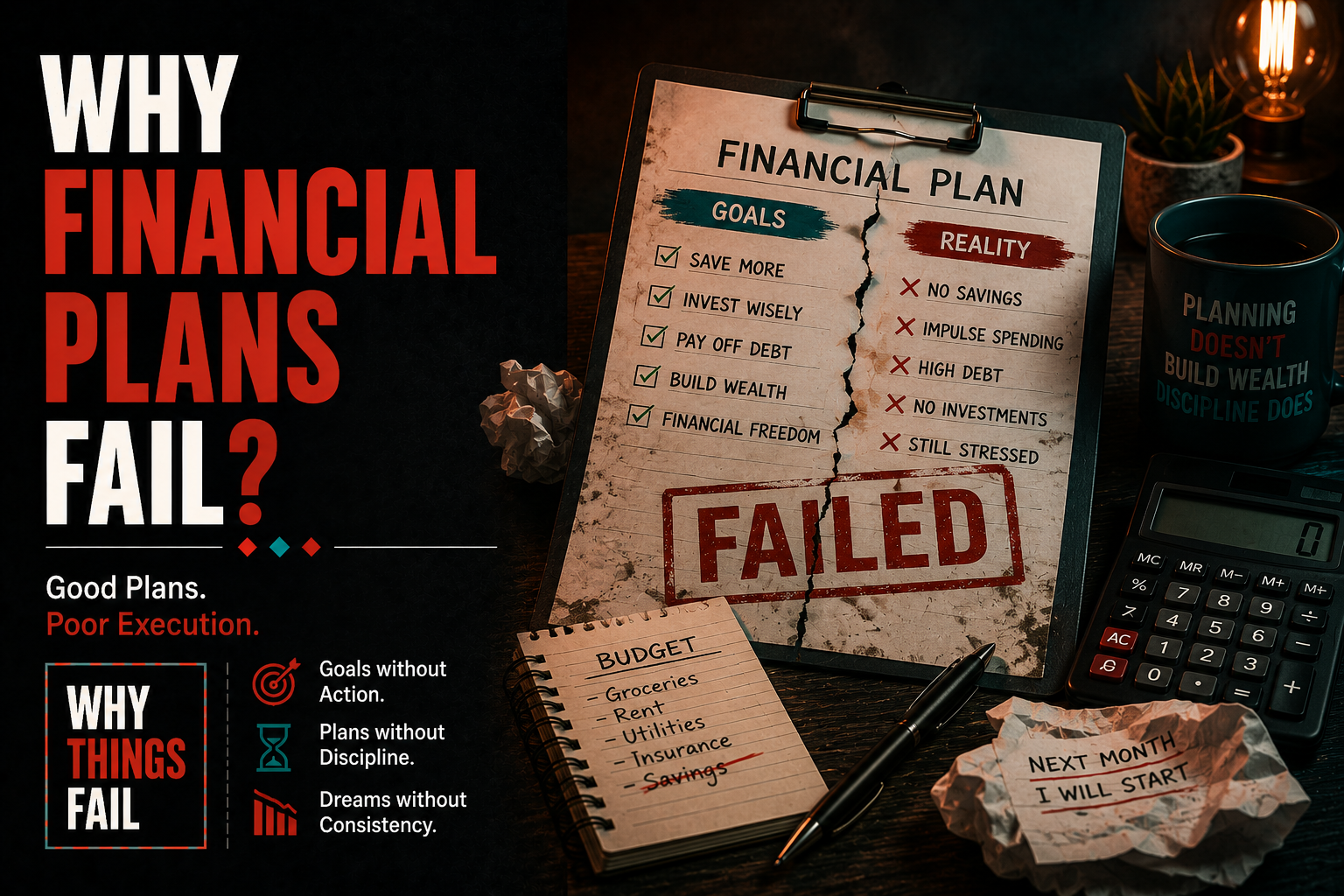
Quick Answer Financial plans usually fail not because the numbers are wrong, but because human behaviour changes over time. Emotional spending, lifestyle inflation, short term thinking, poor risk management and
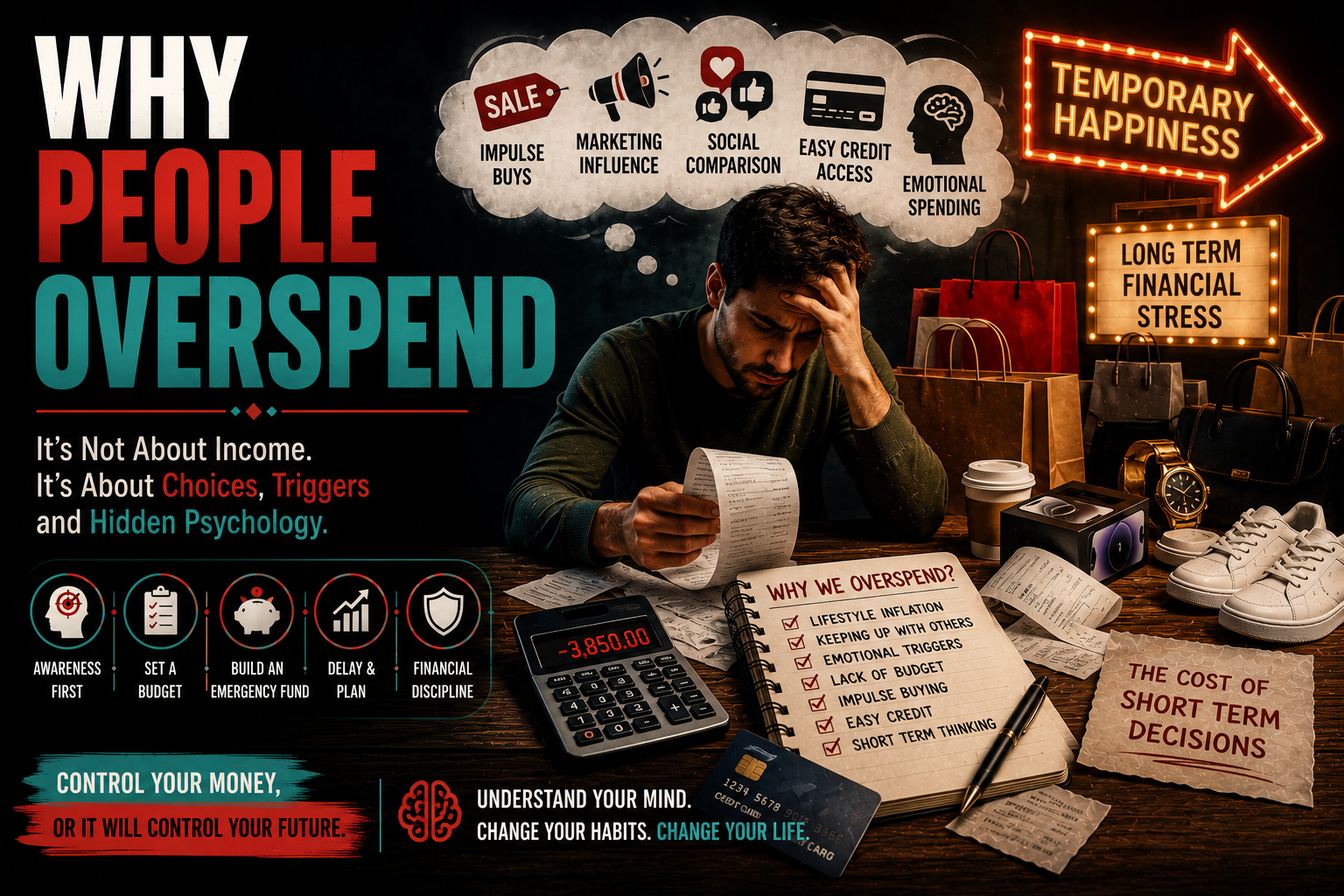
Quick Answer People overspend because spending decisions are rarely driven by logic alone. Behavioural biases, emotional decision making, social comparison, lifestyle inflation and short term thinking encourage people to consume

Quick Answer Businesses rarely run out of cash because of one unexpected event. Most cash flow failures develop through poor financial discipline, weak planning, delayed decision making, overconfidence, uncontrolled growth
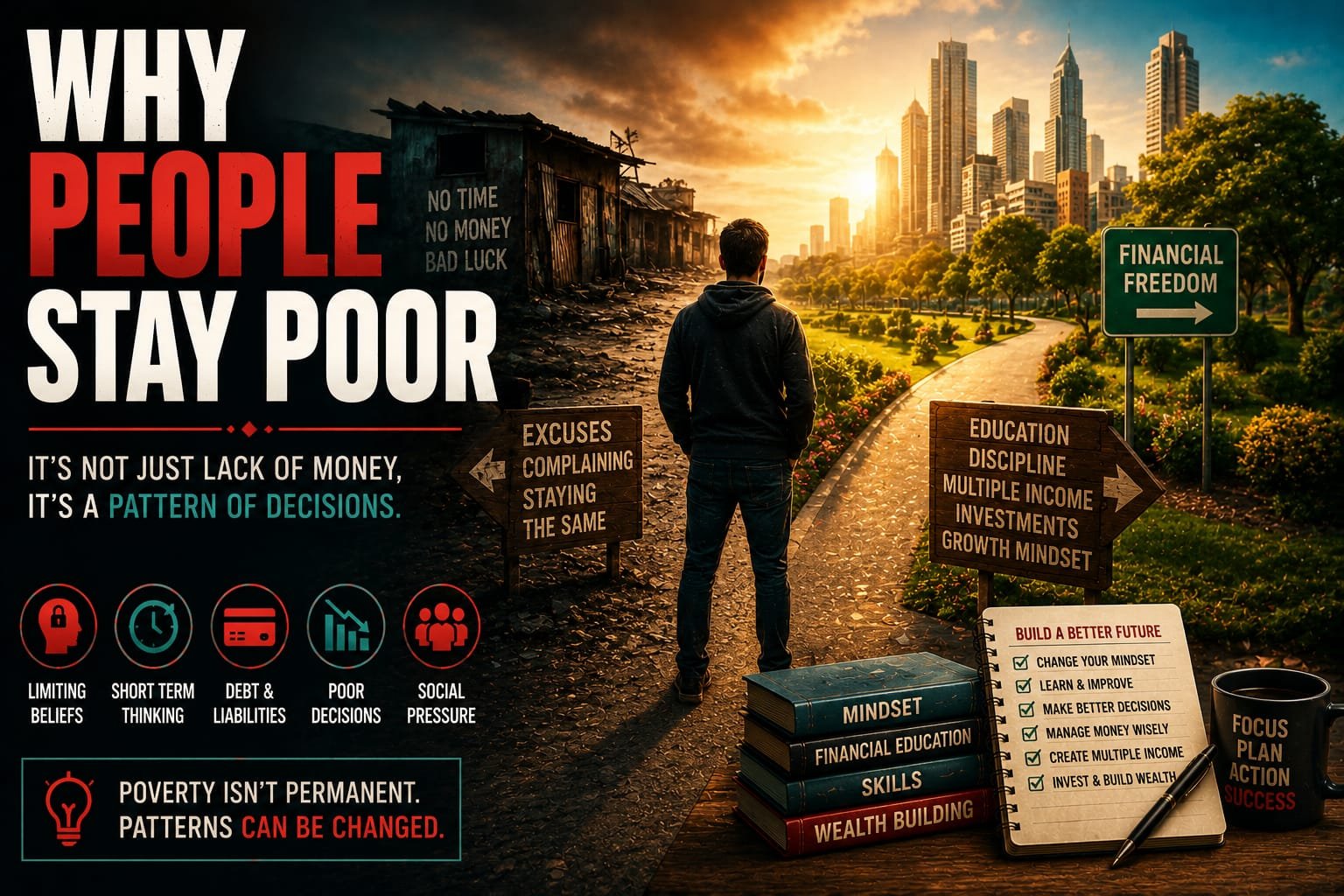
Quick Answer People rarely stay poor because of a single bad decision or a lack of effort. Poverty is usually the result of multiple interacting factors, including financial behaviour, limited

Quick Answer Winning the lottery does not automatically create lasting wealth. While not all lottery winners go broke, many struggle because sudden wealth magnifies existing financial habits, emotional decision-making, social
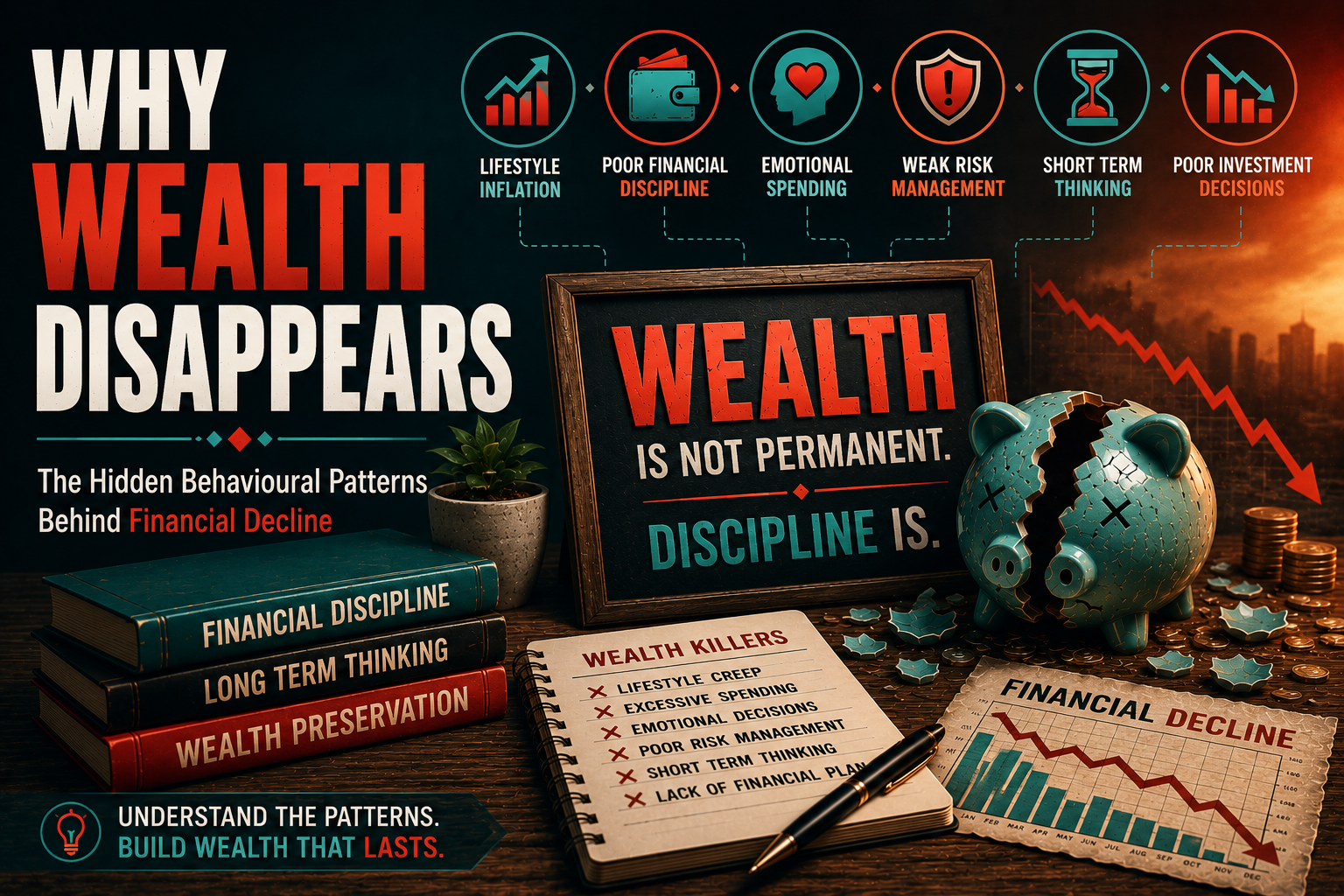
Quick Answer Wealth rarely disappears because of one bad investment or an economic crisis alone. In most cases, it declines through a series of predictable behavioural decisions including lifestyle inflation,
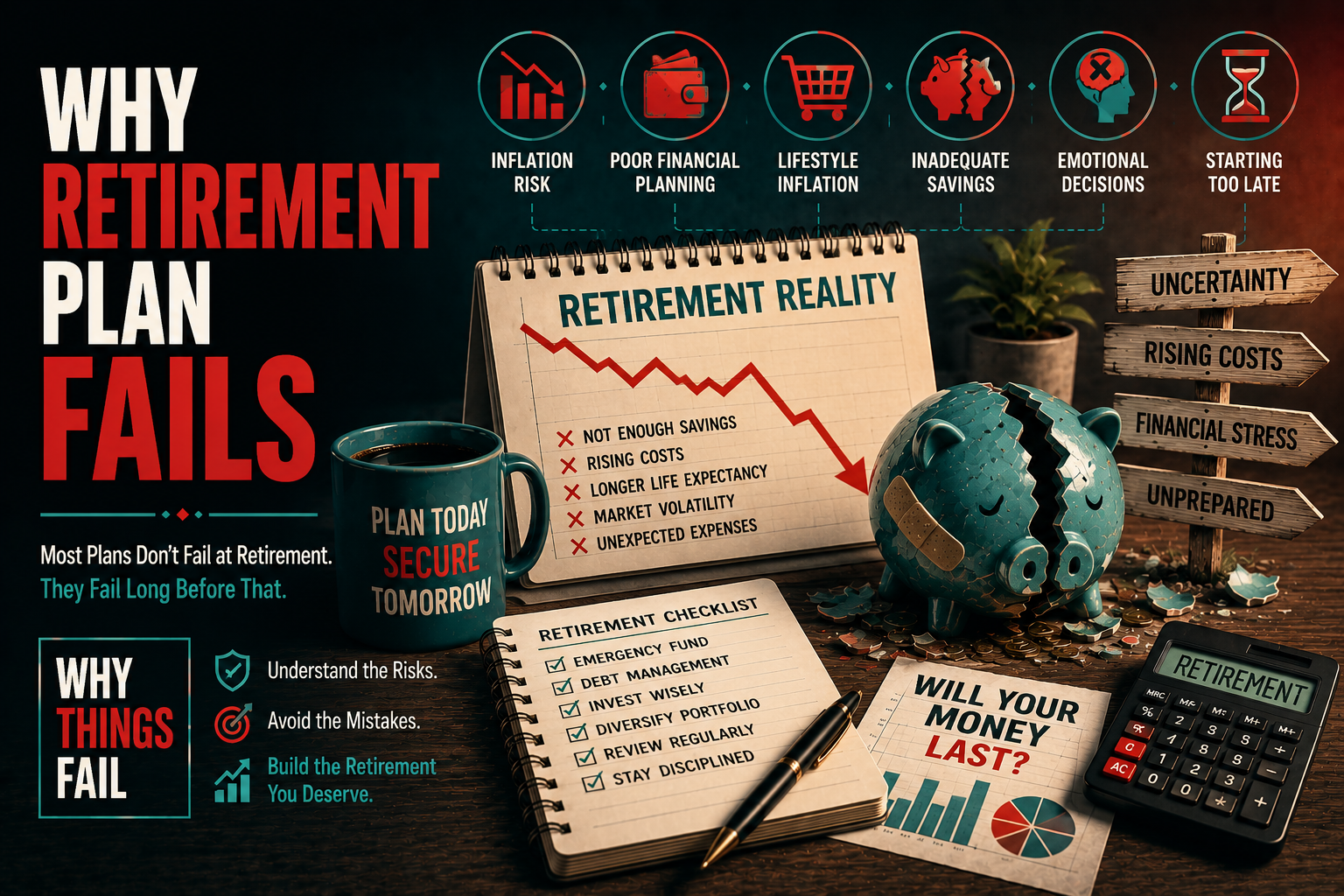
Quick Answer Retirement plans rarely fail because people lack the desire to retire comfortably. They fail because small financial decisions, behavioural biases, delayed planning and poor risk management gradually weaken
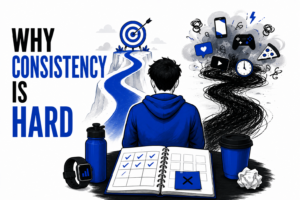
Quick Answer Consistency is hard because the human brain naturally prefers immediate rewards over delayed results. Emotional decision making, present bias, poor habit formation, changing
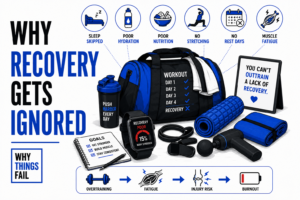
Quick Answer Recovery gets ignored because people naturally focus on preventing failure rather than rebuilding after it. Fear, emotional exhaustion, overconfidence, social pressure and short
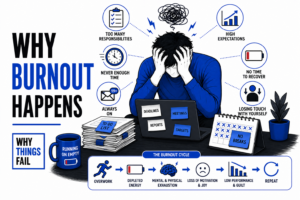
Quick Answer Burnout happens when chronic stress, emotional pressure and constant demands exceed a person’s ability to recover. It is rarely caused by working long
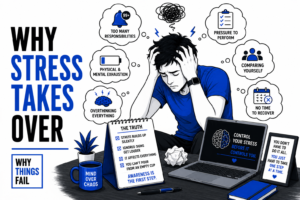
Quick Answer Stress takes over when the brain repeatedly perceives situations as threats without enough time to recover. Over time, the body’s stress response becomes
Quick Answer Consistency is hard because the human brain naturally prefers immediate rewards over delayed results. Emotional decision making, present bias, poor habit formation, changing
Quick Answer Recovery gets ignored because people naturally focus on preventing failure rather than rebuilding after it. Fear, emotional exhaustion, overconfidence, social pressure and short
Quick Answer Burnout happens when chronic stress, emotional pressure and constant demands exceed a person’s ability to recover. It is rarely caused by working long
Quick Answer Stress takes over when the brain repeatedly perceives situations as threats without enough time to recover. Over time, the body’s stress response becomes
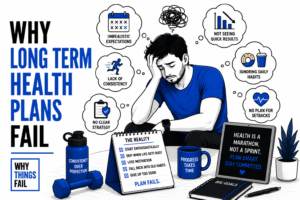
Quick Answer Long term health plans fail because people struggle to maintain consistent behaviours over time rather than lacking knowledge about healthy living. Emotional decision
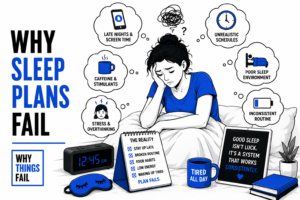
Introduction Millions of people begin a new sleep plan every year believing that better sleep is only a few nights away. They buy sleep tracking