Quick Answer
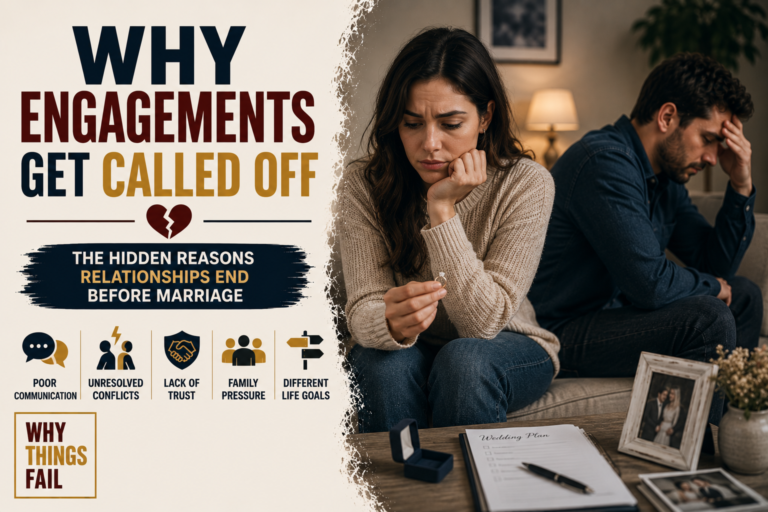
Engagements are rarely called off because of one argument or one major event. They usually end after months or years of unresolved incompatibility, poor communication, emotional uncertainty, family pressure or changing life priorities. The engagement itself does not create these problems. It simply exposes issues that already existed beneath the surface.
What many people call “cold feet” is usually not doubt about the relationship itself it is the mind reacting to a permanent decision under real pressure. Recognizing the difference between normal pre-wedding nerves and genuine incompatibility is central to understanding why engagements end.
Introduction
An engagement is often viewed as the happiest stage of a relationship. It represents commitment, hope and the expectation of a shared future. Family members celebrate, wedding plans begin and couples start imagining married life together.
Yet for many couples, the engagement becomes the moment when everything changes.
Instead of bringing greater certainty, it introduces difficult conversations about finances, careers, children, religion, family expectations and long term responsibilities. Questions that once seemed unimportant suddenly become impossible to ignore.
This explains why many engagements end before the wedding takes place.
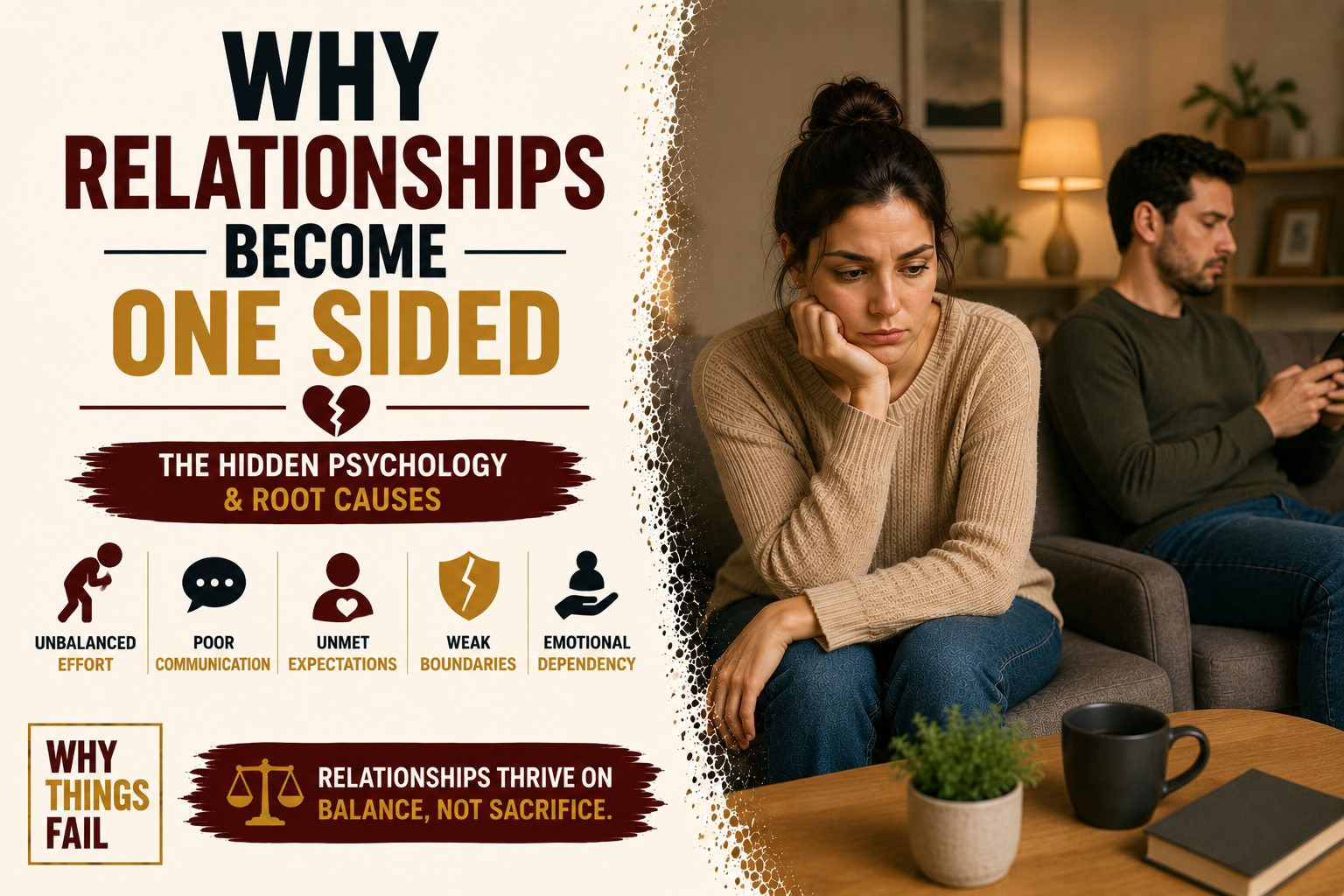
While outsiders often assume that a cancelled engagement results from one dramatic incident such as infidelity or betrayal, reality is usually more complex. Most broken engagements are the result of small unresolved problems that gradually weaken trust, compatibility and emotional security until one or both partners decide that marriage would create greater problems than ending the relationship.
Understanding why engagements get called off is not simply about understanding relationships.
It is about understanding how people make life changing decisions under emotional pressure, uncertainty and social expectations.
What Is A Called Off Engagement?
A called off engagement occurs when two people mutually or individually decide not to proceed with marriage after becoming engaged.
This decision may happen weeks before the wedding or many months after the proposal.
Calling off an engagement is often viewed as a personal failure.
However, from a behavioural perspective, it is more accurately understood as a decision made after new information changes how one or both partners perceive the future.
The engagement period functions as a transition rather than a destination.
It moves a relationship from romance towards reality.
During this stage, couples begin discussing practical issues that will shape everyday married life. Differences that once appeared minor often become significant because they now carry lifelong consequences.
The engagement therefore acts as a stress test.
It reveals whether two individuals are prepared not only to love each other but also to build a sustainable partnership.
The Biggest Myth
The most common myth is that engagements are only called off after a major betrayal.
People often assume there must have been infidelity, dishonesty or a dramatic argument.
Although these events certainly end some engagements, they do not explain the majority of cases.
More often, relationships end because one or both partners gradually recognise that important differences cannot be ignored.
The engagement creates urgency.
Conversations that were postponed during dating suddenly demand clear answers.
Differences about financial habits, career ambitions, family involvement, emotional maturity, conflict resolution and future goals become impossible to avoid.
The cancelled engagement is therefore not always the cause of relationship failure.
It is frequently the consequence of recognising problems that had existed for much longer.
What Usually Happens?
Most cancelled engagements follow a surprisingly consistent pattern.
The relationship begins positively.
Emotional connection grows.
The proposal strengthens commitment.
Wedding planning begins.
As practical responsibilities increase, unresolved disagreements become more frequent.
Communication weakens, stress increases and trust begins to decline often all at once, as practical wedding pressures expose gaps that dating never tested.
Instead of resolving the underlying issues, many couples avoid uncomfortable conversations because they fear conflict or disappointing family members.
Eventually one partner begins questioning whether marriage will improve the relationship or magnify existing problems.
The engagement ends not because one difficult day changed everything but because many unresolved issues gradually changed how the future was perceived.
The Psychological Traps That Delay The Decision
This is where the investigation begins.
Most broken engagements cannot be explained by a single event.
They emerge from behavioural patterns, emotional decision making and relationship dynamics that develop over time.
The engagement itself rarely damages the relationship.
Instead, it exposes weaknesses that were previously hidden by excitement, romance and optimism.
Fear Of Commitment Is Often Fear Of Consequences
Many people describe cancelled engagements as commitment issues.
This explanation is often too simplistic.
Most individuals are not afraid of commitment itself.
They are afraid of making the wrong commitment.
Marriage represents one of the most significant decisions a person can make.
It affects finances, family life, personal identity, career choices and future responsibilities.
As the wedding approaches, the psychological cost of making a poor decision becomes much more real.
Questions that once remained in the background suddenly dominate daily thinking.
Can I trust this person during difficult times?
Will we manage money in similar ways?
Do we resolve disagreements respectfully?
Can I imagine this relationship twenty years from now?
The closer marriage becomes, the greater the perceived consequences of making the wrong choice.
This explains why uncertainty often increases rather than decreases during an engagement.
Emotional Compatibility Matters More Than Romantic Chemistry
Many couples mistake emotional excitement for long term compatibility.
Romantic attraction creates strong emotional connections during the early stages of a relationship.
However, marriage depends upon qualities that excitement alone cannot sustain.
Psychologists consistently observe that successful long term relationships rely upon emotional regulation, communication, mutual respect and shared problem solving.
These qualities become particularly important during periods of stress.
Wedding planning often creates exactly that environment.
Financial decisions, family expectations, guest lists and future planning introduce pressure that reveals how couples manage conflict.
Some partners become defensive.
Others withdraw emotionally.
Some avoid difficult conversations entirely.
These reactions rarely appear during ideal circumstances.
They emerge when relationships experience genuine pressure.
The engagement therefore reveals emotional habits that dating may never fully expose.
Family Expectations Quietly Shape Relationship Decisions
Relationships rarely exist in isolation.
Parents, siblings, cultural traditions and social expectations often influence engagement decisions more than couples initially recognise.
Behavioural researchers describe this as social influence.
People naturally seek acceptance from those closest to them.
When families express concerns about compatibility, financial stability or cultural differences, those opinions can gradually affect confidence within the relationship.
In some situations, partners begin questioning decisions they previously felt certain about.
In others, family conflict creates ongoing emotional pressure that neither partner knows how to manage.
The engagement becomes increasingly stressful because the relationship no longer involves only two individuals.
It becomes a negotiation between multiple expectations, values and loyalties.
Poor Communication Creates Hidden Risks
Communication problems rarely appear suddenly.
They develop gradually through repeated misunderstandings, avoided conversations and unresolved disagreements.
Many couples believe avoiding conflict protects the relationship.
Behavioural psychology suggests the opposite.
Avoiding uncomfortable discussions often allows small concerns to become major sources of resentment.
Instead of discussing finances openly, partners make assumptions.
Instead of expressing fears, they remain silent.
Instead of resolving disagreements, they hope circumstances will improve naturally.
Silence creates uncertainty.
Uncertainty creates assumptions.
Assumptions frequently create mistrust.
By the time serious conversations finally occur, emotional distance has often grown much larger than either partner realised.
The cancelled engagement becomes the visible outcome of communication problems that had been developing quietly for months or even years.
Why Does It Happen?
People Ignore Small Problems Because Love Creates Optimism
One of the strongest psychological biases in relationships is optimism bias. People naturally believe their own relationship will succeed even when warning signs already exist.
During dating, many couples minimise disagreements because the relationship is built around positive experiences. They believe time will solve communication issues, financial differences or personality conflicts.
The engagement changes this perspective.
Marriage transforms temporary differences into permanent responsibilities. Questions that once seemed distant suddenly become immediate. Couples begin realising that unresolved problems are not disappearing. They are becoming more significant.
This explains why many engagements are called off after couples finally acknowledge concerns they had quietly ignored for years.
Financial Values Often Matter More Than Income
Money is one of the most misunderstood causes of relationship breakdown.
Many people assume engagements end because one partner earns less than the other.
A large US study of 4,574 couples found that once financial disagreements were taken into account, financial well-being itself was no longer linked to divorce. Financial disagreements were also the strongest type of disagreement to predict divorce. This research looked at married couples rather than engaged ones, but it supports the idea that how partners handle money conflict matters more than how much they earn.
Relationships are more likely to struggle when partners have conflicting financial values rather than different income levels.
One person may value saving while the other values spending.
One may see debt as manageable while the other views it as dangerous.
One may prioritise financial security while the other prioritises lifestyle.
These differences rarely become obvious until wedding planning begins.
Budgets, housing, future children, career sacrifices and shared financial responsibilities force couples to reveal beliefs that had previously remained hidden.
The disagreement is rarely about money itself.
It is about security, trust, responsibility and future priorities.
Emotional Maturity Determines How Couples Handle Pressure
Every relationship experiences conflict.
The difference between successful and unsuccessful relationships is rarely the absence of disagreement.
It is the quality of emotional responses.
Emotionally mature partners remain curious during conflict.
They seek understanding before defending themselves.
They accept responsibility for mistakes.
They separate disagreement from personal rejection.
Emotionally immature responses create the opposite outcome.
Criticism becomes personal.
Defensiveness replaces listening.
Temporary frustration becomes lasting resentment.
Small disagreements evolve into repeated cycles of blame.
The engagement often exposes these behavioural patterns because wedding planning introduces emotional pressure that everyday dating may never create.
Fear Of Social Judgment Delays Difficult Decisions
Many couples recognise serious relationship problems long before the engagement ends.
The question is why they continue despite growing uncertainty.
Behavioural economics provides an important explanation.
People dislike losses more than they value equivalent gains.
Ending an engagement feels like losing time, emotional investment, family approval and social status.
This creates the sunk cost effect.
The longer couples remain together, the harder it becomes to leave.
They begin thinking about the years already invested rather than the quality of the future ahead.
Family expectations increase this pressure.
Wedding venues are booked.
Invitations may already be planned.
Friends congratulate the couple.
Parents become emotionally invested.
Under these conditions, cancelling the engagement feels psychologically painful.
Ironically, this often delays the decision until remaining together becomes even more damaging.
The engagement is not prolonged because confidence increases.
It is prolonged because leaving appears increasingly costly.
Warning Signs
Broken engagements rarely occur without warning.
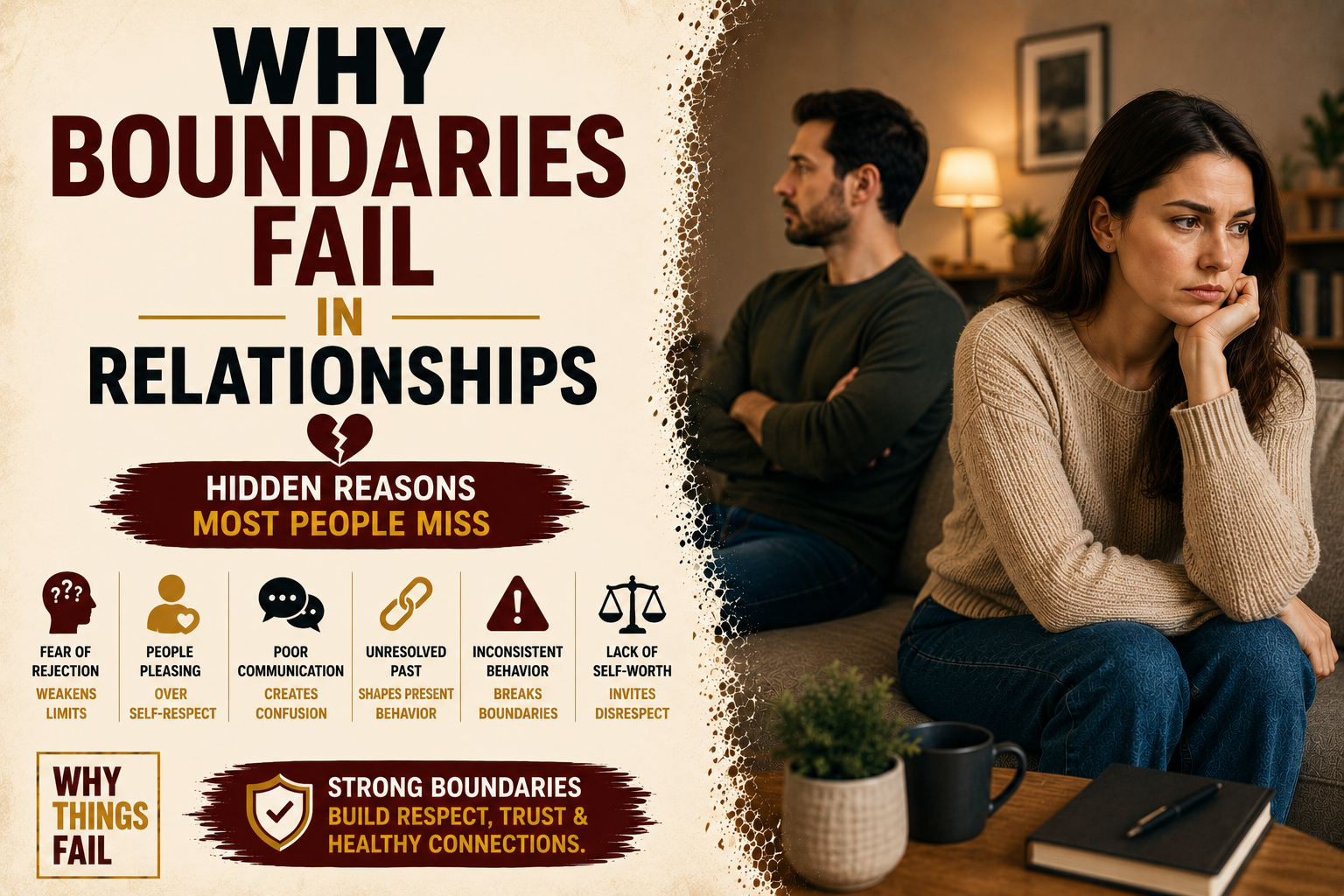
The earliest sign is avoiding important conversations about the future. Couples discuss wedding details more comfortably than they discuss finances, children, career priorities or family boundaries.
Another warning sign is repeated conflict without genuine resolution. The same disagreements continue appearing because the underlying issue is never addressed.
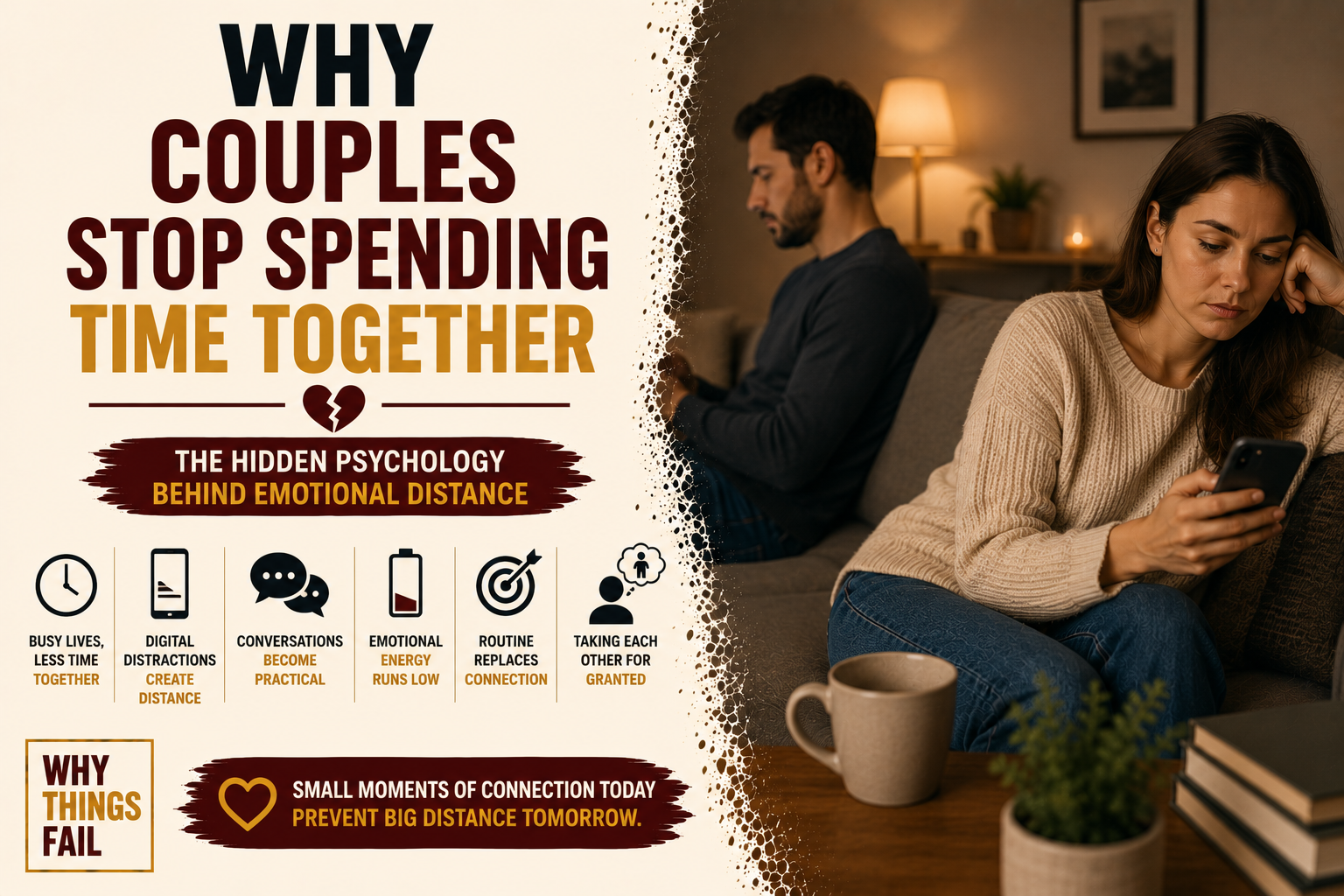
A growing reluctance to spend time together is another indicator. Excitement gradually becomes obligation.
Emotional honesty also begins to decline. Partners avoid expressing concerns because they fear upsetting each other or disappointing their families.
External validation becomes more important than internal confidence. Couples continue planning the wedding because everyone expects them to, not because they genuinely feel ready.
These warning signs are commonly ignored because hope often feels stronger than evidence.
What Could Have Prevented It?
Many broken engagements could have been prevented through earlier honesty rather than later certainty.
Open conversations about finances, family expectations, religion, children, career ambitions and personal values provide clarity before emotional investment becomes overwhelming.
Couples who regularly discuss difficult topics develop stronger communication habits than those who avoid conflict.
Premarital counselling also provides an opportunity to identify hidden differences before marriage. It encourages structured conversations that many couples would otherwise postpone.
Equally important is recognizing that compatibility is not measured by how little conflict exists.
It is measured by how effectively conflict is managed.
Relationships become stronger when concerns are addressed early instead of hidden until they become impossible to ignore.
Lessons
Cancelled engagements reveal lessons that extend far beyond romantic relationships.
The first lesson is that important decisions should never rely solely on emotion. Lasting partnerships require shared values, mutual respect and realistic expectations.
The second lesson is that avoiding uncomfortable conversations creates greater problems later. Honest disagreement often protects relationships more effectively than temporary harmony.
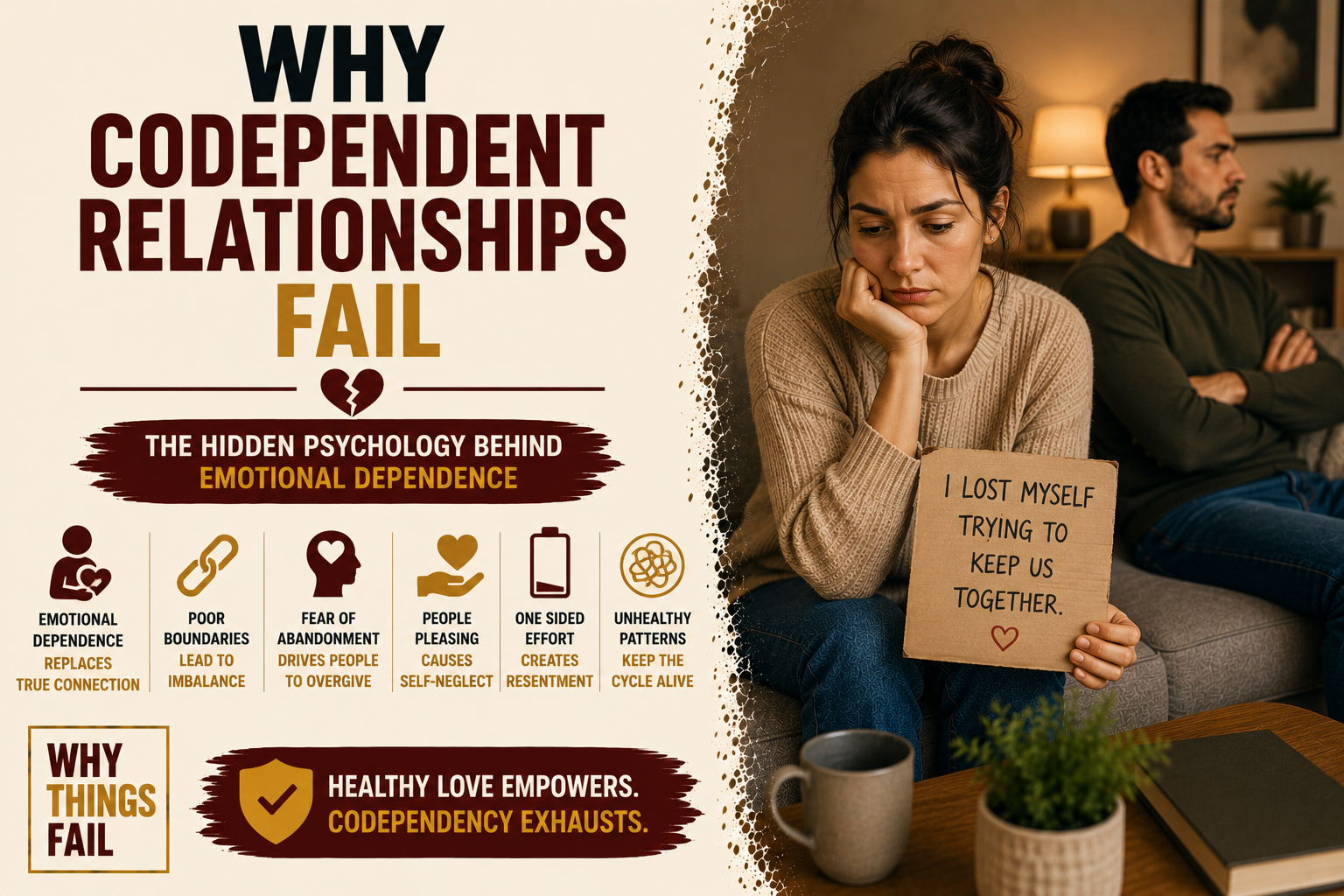
Another lesson is that commitment should strengthen confidence rather than replace it. Marriage cannot repair unresolved problems that already exist.
Perhaps the most important lesson is that ending an unsuitable engagement is not necessarily evidence of failure. In many cases, it represents the recognition of reality before irreversible commitments are made.
Failure Pattern
The dominant pattern behind cancelled engagements is Emotional Decision Making combined with Avoidance of Difficult Conversations.
This pattern repeats because people naturally prioritise immediate emotional comfort over temporary discomfort.
Small concerns remain unspoken.
Important conversations are delayed.
Assumptions replace communication.
Emotional uncertainty quietly grows until continuing the relationship appears more difficult than ending it.
The same behavioural pattern appears in business partnerships, financial decisions and organisational leadership.
Avoiding problems rarely removes them.
It usually allows them to become more expensive.
Hidden Lesson
The engagement itself rarely ends the relationship.
It reveals whether the relationship was prepared for marriage.
Most cancelled engagements are not caused by one dramatic event.
They result from months or years of small behavioural patterns that gradually weaken trust, communication and shared confidence until the future no longer feels secure.
Failure Scorecard
Each area below is scored based on how frequently it appears as a contributing factor across broken-engagement patterns not a clinical or diagnostic measure.
| Area | Score | Explanation |
| Emotional Discipline | 5/10 | Emotions often influence major decisions more than objective evaluation. |
| Decision Making | 6/10 | Many couples delay difficult choices despite recognising warning signs. |
| Communication | 4/10 | Honest conversations are frequently postponed until conflict becomes serious. |
| Long Term Thinking | 6/10 | Couples often focus on the wedding rather than the realities of marriage. |
| Self Awareness | 5/10 | Personal fears and expectations are not always recognised or communicated. |
| Emotional Control | 5/10 | Stress and uncertainty often weaken rational judgement. |
| Planning | 6/10 | Wedding planning receives more attention than relationship planning. |
| Adaptability | 7/10 | Some couples recognise incompatibility before marriage and adjust accordingly. |
Key Takeaways
- Most engagements are called off because of accumulated issues rather than one dramatic event.
- Communication failures usually begin long before the engagement ends.
- Shared values matter more than romantic excitement.
- Financial compatibility reflects attitudes towards responsibility rather than income.
- Family influence can quietly shape relationship decisions.
- Emotional maturity determines how couples respond to conflict.
- Avoiding difficult conversations increases long term risk.
- Ending an incompatible engagement may prevent greater emotional and practical difficulties after marriage.
Frequently Asked Questions
Why do engagements get called off?
Most engagements are called off because unresolved differences become impossible to ignore. Common reasons include communication problems, financial disagreements, incompatible life goals, family pressure, trust issues and emotional uncertainty.
Is calling off an engagement a failure?
Not necessarily. It can represent a thoughtful decision to avoid entering a marriage that lacks long term compatibility or shared commitment.
What is the biggest cause of broken engagements?
The biggest cause is usually poor communication. When important concerns remain unspoken, misunderstandings and resentment gradually weaken the relationship.
Can family pressure end an engagement?
Yes. Family expectations, cultural differences and conflicting values can create emotional pressure that affects confidence in the relationship and influences major decisions.
Could most cancelled engagements have been prevented?
Some could have been prevented through earlier communication, honest discussions about future expectations and a willingness to address difficult issues before they became larger problems.
Conclusion
Engagements are rarely called off because love disappears overnight. They usually end because the engagement reveals realities that romance had previously concealed. The closer marriage becomes, the more clearly couples see whether shared commitment is supported by trust, communication and compatible values.
Understanding why engagements get called off changes the conversation from blaming a single event to recognising the behavioural patterns that quietly shape important life decisions. In many cases, the cancelled engagement is not the beginning of the failure. It is simply the moment when hidden problems finally become impossible to ignore.